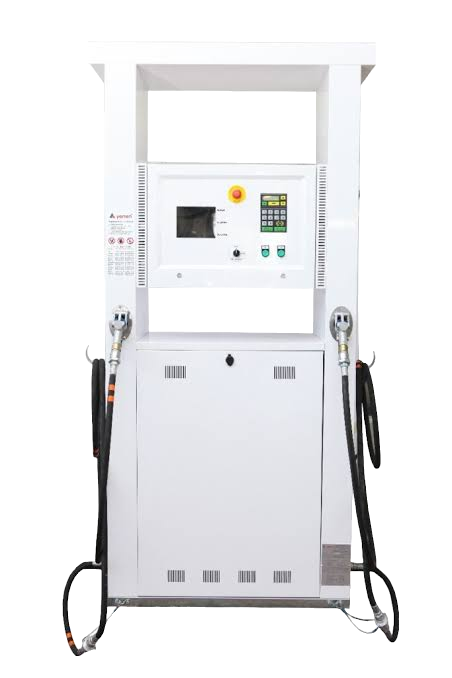
What is a Dual-Nozzle Autogas Dispenser?
A dual-nozzle autogas dispenser Kenya is a high-efficiency LPG fueling system designed to refuel two vehicles simultaneously or alternate rapidly between dispensing cycles. It is engineered for high-demand environments such as taxi ranks, matatu depots, logistics yards, and commercial transport hubs where minimizing vehicle downtime is critical.
Unlike single-nozzle systems used in small private fleets, a dual-nozzle autogas dispenser increases throughput capacity, reduces queue times, and improves fuel station efficiency while maintaining strict safety and metering accuracy standards.
Related Products
Across Nairobi, Mombasa, Kisumu, Nakuru, Eldoret, and Machakos, public transport operators are increasingly shifting toward LPG conversion due to rising fuel costs and environmental regulations. This shift has created demand for faster, more scalable refueling infrastructure.
Operators planning fleet fueling stations often integrate dispensers with our LPG engineering solutions to ensure safe, compliant, and efficient system design from storage to dispensing.
Growing Demand for LPG in Public Transport (Matatu Sector)
A dual-nozzle autogas dispenser Kenya is essential for high-traffic transport depots because it reduces waiting time, increases vehicle turnover, and supports efficient LPG refueling for taxis and matatus operating under tight schedules.
Kenya’s public transport sector is one of the fastest-growing adopters of LPG autogas technology. Matatu SACCOs and taxi fleet operators are transitioning from petrol and diesel to LPG due to:
- Lower fuel operating costs
- Improved engine cleanliness
- Reduced emissions in urban areas
- Government push toward cleaner energy mobility
However, increased LPG adoption requires faster fueling infrastructure. A dual-nozzle autogas dispenser Kenya solves this by allowing higher throughput without compromising safety or accuracy.
Organizations upgrading fleet infrastructure often consult a trusted engineering partner for system design, compliance, and installation planning.
Why Speed Matters in Fleet Refueling Operations
Public transport fleets operate under strict timing schedules. Delays at fueling stations directly reduce daily revenue and operational efficiency.
A dual-nozzle autogas dispenser Kenya addresses this challenge by:
- Reducing vehicle queue times
- Increasing fueling station capacity
- Allowing continuous vehicle flow
- Improving depot turnaround efficiency
- Supporting peak-hour operations
For high-density transport hubs in Nairobi and surrounding counties, fuel station congestion is a major operational bottleneck. Dual-nozzle systems help eliminate this inefficiency.
Key Industries Using Dual-Nozzle Autogas Dispensers
1. Matatu SACCO Depots
Matatus require rapid refueling before peak passenger hours. A dual-nozzle autogas dispenser Kenya ensures fast turnaround during morning and evening rush periods.
2. Taxi Fleet Operators
Taxi companies managing 20–200 vehicles benefit from improved fuel scheduling and reduced idle time at refueling points.
3. Logistics & Delivery Fleets
Delivery companies operating in urban environments use LPG conversions to reduce fuel costs. Dual-nozzle systems support continuous refueling cycles.
4. Bus Operators
Intercity and urban bus fleets require high-capacity refueling infrastructure that minimizes downtime during operational breaks.
5. Corporate Transport Fleets
Large organizations operating staff buses and service vehicles benefit from controlled and centralized fueling systems.
Integration with LPG Infrastructure Systems
A dual-nozzle autogas dispenser Kenya does not operate in isolation. It forms part of a complete engineered LPG system including:
- Bulk LPG storage tanks
- Transfer pumps and compressors
- Pressure regulation systems
- Safety shut-off valves
- Electronic control panels
- Underground piping systems
Facilities can enhance system reliability using advanced LPG control panels that monitor pressure, flow, and emergency shutdown operations in real time.
For safe gas transfer, many installations rely on industrial LPG piping systems designed for durability and leak resistance.
Safety Requirements in High-Throughput Fuel Stations
High-speed refueling environments introduce elevated safety risks due to continuous LPG transfer cycles.
Key safety considerations include:
- Static electricity control
- Leak prevention systems
- Emergency shutdown mechanisms
- Overpressure protection
- Fire response readiness
Facilities should integrate industrial gas leak detection systems for continuous monitoring of LPG concentrations.
Additionally, fire safety compliance is reinforced through commercial fire suppression systems designed specifically for LPG environments.
Regulatory Compliance in Kenya
All LPG dispensing systems including dual-nozzle autogas dispenser Kenya installations must comply with:
- EPRA (Energy and Petroleum Regulatory Authority) licensing requirements
- KEBS certification for LPG equipment
- DOSHS workplace safety regulations
- NFPA 58 LPG handling guidelines
- Local county fire safety approvals
Non-compliant installations risk operational shutdown and safety hazards, making engineering compliance essential for all fleet fueling stations.
For professional planning and certification support, operators are encouraged to use professional engineering consultation services.
Engineering Challenges Solved by Dual-Nozzle Systems
Fleet operators often face:
- Long queues at refueling stations
- Inefficient fuel scheduling
- High operational downtime
- Poor fuel tracking systems
- Limited station throughput
A dual-nozzle autogas dispenser Kenya solves these challenges by increasing refueling efficiency and enabling structured fleet fueling workflows.
Transition Toward Smart Fleet Fueling in Kenya
Kenya’s transport sector is gradually moving toward digitized, cleaner, and more efficient fueling systems. LPG autogas adoption is part of this transition, and dual-nozzle dispensers are a key enabler of scalable infrastructure.
As fleets expand, operators typically begin with dual-nozzle systems before upgrading to multi-dispenser stations as demand increases.
Businesses can explore Megtraco Kenya LPG solutions for scalable autogas infrastructure tailored to fleet size and operational requirements.
Engineering Specifications, Installation & Compliance
Technical Performance of a Dual-Nozzle Autogas Dispenser
A dual-nozzle autogas dispenser Kenya is engineered to handle high-throughput LPG dispensing operations in commercial transport depots. It is designed with synchronized flow control systems that allow either simultaneous or alternating fueling cycles depending on station configuration and safety interlocks.
The system integrates precision metering, electronic control, and high-pressure LPG handling components to ensure safe, accurate, and efficient vehicle refueling.
Key Engineering Specifications
A dual-nozzle autogas dispenser Kenya operates using electronic flow meters, pressure-regulated LPG supply lines, and automated safety shutoff systems to ensure accurate fuel delivery and safe high-speed refueling for multiple vehicles in fleet environments.
Technical Specification Table
| Parameter | Typical Range / Value |
|---|---|
| Fuel Type | Automotive LPG (Autogas) |
| Nozzle Configuration | Dual dispensing system |
| Flow Rate | 10–60 litres/min per nozzle |
| Meter Accuracy | ±0.5% standard |
| Operating Pressure | Application-dependent LPG pressure system |
| Display | Digital LCD / Touch interface |
| Control System | PLC-based automation |
| Emergency Shutdown | Integrated E-stop system |
| Material Construction | Powder-coated steel / stainless steel |
| Hose Length | 4–6 metres per nozzle |
| Installation Type | Ground-mounted / canopy station |
Core System Components
A dual-nozzle autogas dispenser Kenya consists of multiple integrated subsystems working together to ensure safe and reliable LPG dispensing.
1. Electronic Metering System
This system ensures precise measurement of LPG delivered to each vehicle, minimizing discrepancies and ensuring accurate fuel accounting for fleet operators.
2. LPG Pumping System
High-performance pumps maintain consistent LPG flow from storage tanks to dispensers under controlled pressure conditions.
3. Gas Train Assembly
The gas train regulates fuel flow and pressure while ensuring safety through integrated shut-off valves, filters, and regulators.
Operators can enhance system reliability using LP gas train equipment designed for industrial autogas applications.
4. Dual Nozzle Dispensing Units
Each nozzle is engineered with:
- Secure locking mechanism
- Anti-leak coupling
- High-pressure resistance
- Breakaway safety feature
5. Electronic Control Panel
The control system manages:
- Fuel flow regulation
- System diagnostics
- Emergency shutdown
- Transaction logging
Facilities often integrate advanced control panels for centralized monitoring of LPG dispensing operations.
Performance Advantages
Increased Throughput Capacity
A dual-nozzle autogas dispenser Kenya significantly increases fueling station capacity by reducing waiting time and enabling faster vehicle turnover.
Reduced Fleet Downtime
Vehicles spend less time at refueling stations, improving operational efficiency for matatu SACCOs and taxi fleets.
Improved Fuel Accuracy
Electronic metering ensures precise fuel measurement, reducing losses and improving accountability.
Enhanced Operational Control
Fleet managers gain better oversight of fuel consumption patterns, enabling improved cost control.
Comparative Technical Analysis of dual-nozzle autogas dispenser Kenya
| Feature | Single Nozzle System | Dual-Nozzle Autogas Dispenser Kenya |
| Fueling Speed | Moderate | High |
| Station Capacity | Low | High |
| Queue Management | Limited | Efficient |
| Fleet Suitability | Small fleets | Medium–large fleets |
| Expansion Capability | Basic | Scalable |
| Investment Cost | Lower | Moderate |
| Operational Efficiency | Standard | Optimized |
Installation Best Practices
1. Site Assessment
Before installation, engineers evaluate:
- Depot layout and traffic flow
- LPG storage capacity
- Vehicle movement patterns
- Electrical infrastructure
- Safety zoning requirements
2. System Design Integration
A dual-nozzle autogas dispenser Kenya must be integrated into a complete LPG system including storage tanks, piping networks, and safety systems.
Proper system design ensures compliance and operational reliability.
3. Mechanical Installation
Key installation steps include:
- Mounting dispenser units
- Connecting LPG pipelines
- Installing gas train assemblies
- Configuring electrical systems
- Setting up control interfaces
Safe LPG transport infrastructure often uses advanced LPG piping systems for underground and above-ground distribution.
4. Testing & Commissioning
Commissioning ensures operational readiness through:
- Pressure testing
- Leak detection
- Flow calibration
- Emergency shutdown verification
- Nozzle performance testing
Commissioning Checklist
| Test | Requirement | Status |
| Pressure integrity test | No leaks detected | Pass |
| Flow calibration | ±0.5% accuracy | Pass |
| Emergency stop function | Immediate shutdown | Pass |
| Nozzle safety locking | Secure operation | Pass |
| Electrical system test | Stable power response | Pass |
Safety Engineering Considerations
Due to high throughput operation, safety engineering is critical in dual-nozzle autogas dispenser Kenya systems.
Leak Detection Systems
Continuous monitoring is essential for detecting LPG leaks in real time. Facilities should install industrial gas leak detection systems for early warning and risk mitigation.
Fire Protection Systems
LPG dispensing stations must include fire suppression measures to control ignition risks.
Operators can integrate commercial fire safety systems designed for LPG environments.
Emergency Shutdown Protocols
Emergency stop systems immediately isolate LPG flow and deactivate dispensing units in case of abnormal operation.
Preventive Maintenance Schedule
| Interval | Maintenance Activity |
| Daily | Visual inspection of hoses and nozzles |
| Weekly | Check pressure readings and system logs |
| Monthly | Inspect gas train and filters |
| Quarterly | Test safety shutoff systems |
| Semi-Annual | Full calibration and flow testing |
| Annual | Complete system overhaul and certification |
Compliance Requirements in Kenya
A dual-nozzle autogas dispenser Kenya must comply with:
- EPRA licensing and inspection standards
- KEBS certification for LPG dispensing equipment
- DOSHS occupational safety regulations
- NFPA 58 LPG handling guidelines
- County fire authority requirements
For full regulatory alignment, operators should engage professional engineering consultation services to ensure safe design and commissioning.
Conclusion of dual-nozzle autogas dispenser Kenya
A dual-nozzle autogas dispenser Kenya provides a scalable, efficient, and high-performance solution for modern fleet fueling operations. When properly engineered and installed, it significantly improves throughput, reduces downtime, and enhances fuel management accuracy while maintaining strict safety and compliance standards.
For scalable infrastructure planning, operators can explore Megtraco Kenya LPG solutions for complete system design, supply, and commissioning support.
Contact Megtraco Kenya Ltd
Need a reliable dual-nozzle autogas dispenser Kenya for your matatu SACCO, taxi fleet, or commercial transport depot? Megtraco Kenya Ltd provides end-to-end LPG autogas engineering solutions designed for high-throughput fueling operations across Kenya and East Africa.
We specialize in the design, supply, installation, testing, and commissioning of LPG dispensing systems that meet EPRA, KEBS, DOSHS, and international safety standards. Whether you are setting up a new fleet refueling station or upgrading an existing facility, our engineering team ensures safe, efficient, and scalable solutions tailored to your operational needs.
Why Work With Megtraco Kenya Ltd?
- Established expertise since 1969 in LPG engineering and infrastructure
- EPRA-licensed LPG systems design and installation
- KEBS-certified equipment and components
- Specialists in autogas dispensing systems and fleet fueling stations
- Complete turnkey solutions: design, supply, installation & commissioning
- Strong technical support and after-sales service across East Africa
Contact Details
Megtraco Kenya Ltd
Location: Nairobi, Kenya – Serving Nairobi, Mombasa, Kisumu, Nakuru, Eldoret, Thika, Machakos, Uganda, Tanzania, Rwanda, and surrounding East African regions.
Email: sales@megtracokenya.com
Sales Line: +254 725 870 114
Technical Support: +254 733 721 598
WhatsApp: +254 799 086 323
You May Also Like

Website: https://megtracokenya.com
Explore More Solutions
- Discover our LPG engineering solutions for complete autogas infrastructure systems
- Learn more about our professional engineering services for design and installation support
- Browse our full product catalogue for LPG dispensing and safety equipment
- Submit a request via our quotation page for project pricing and consultation
For safe, efficient, and scalable autogas infrastructure, Megtraco Kenya Ltd remains your trusted engineering partner for high-performance LPG fueling systems across East Africa.
