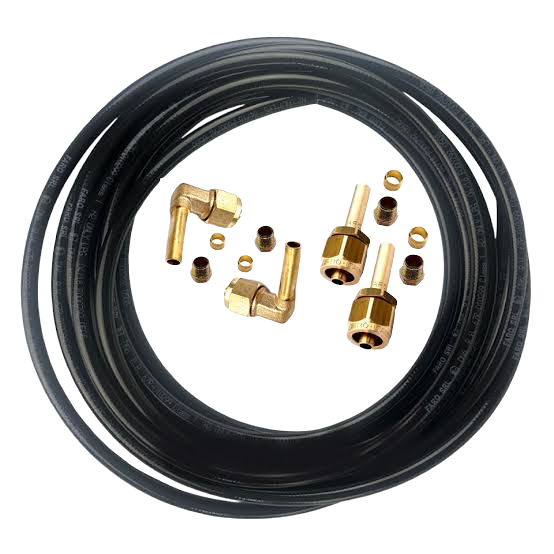
An autogas hose kit is a critical component in LPG fuel station infrastructure, designed to safely transfer liquefied petroleum gas (LPG) from storage tanks to vehicle dispensing points. It consists of a reinforced high-pressure hose and a precision-engineered LPG dispenser nozzle that ensures controlled, accurate, and leak-free fuel delivery.
In Kenya and across East Africa, fuel stations depend on reliable dispensing systems to maintain continuous operations. A failing or worn-out hose system can lead to fuel leakage, inaccurate dispensing, safety hazards, and operational downtime. The autogas hose kit eliminates these risks by providing a durable, high-pressure, and compliant fuel transfer solution engineered for industrial environments.
Related Products
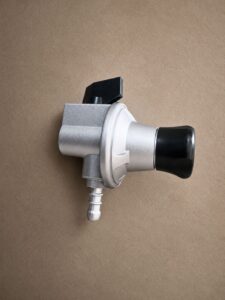
What Is an Autogas Hose Kit?
An autogas hose kit is a fuel station component consisting of a reinforced LPG hose and dispensing nozzle used for transferring autogas safely from storage tanks to vehicles under controlled pressure conditions.
It is designed to withstand continuous high-pressure LPG flow while maintaining flexibility, durability, and leak resistance. The nozzle ensures accurate dispensing, while the hose provides a secure pathway for fuel transfer.
Fuel stations seeking certified engineering support and system integration can consult Megtraco Kenya Ltd for complete LPG infrastructure solutions.
Why Autogas Hose Kits Are Essential for Fuel Stations
An autogas hose kit is essential because it ensures safe fuel transfer, prevents leaks, maintains dispensing accuracy, and minimizes downtime in LPG fuel station operations.
Fuel stations operate under demanding conditions involving high-pressure fuel flow, continuous usage, and environmental exposure. Over time, hoses and nozzles degrade due to mechanical stress, chemical exposure, and temperature fluctuations.
Key risks of failing hose systems include:
- LPG leakage
- Fire hazards
- Incorrect fuel measurement
- System downtime
- Regulatory non-compliance
Replacing worn components with a replacement gas parts system ensures operational safety and compliance with industry standards.
Applications of Autogas Hose Kits
Fuel Stations
The primary application of an autogas hose kit is in LPG fueling stations for vehicle refueling operations.
Fleet Refueling Depots
Transport companies and logistics fleets use autogas systems to control fuel distribution and improve cost efficiency.
Industrial LPG Systems
Factories and industrial facilities use LPG dispensing systems for operational fuel supply and backup energy systems.
Energy Distribution Terminals
Large fuel depots rely on hose kits for bulk LPG transfer operations.
Engineering Design of an Autogas Hose Kit
An autogas hose kit is engineered using multi-layer reinforced materials, anti-static technology, and high-pressure rated fittings to ensure safe and durable LPG fuel transfer.
Key engineering components include:
- Multi-layer reinforced rubber or composite hose
- Anti-static grounding wire
- High-pressure rated couplings
- Precision LPG dispenser nozzle
- Corrosion-resistant connectors
- Leak-proof sealing system
These components ensure safe and efficient fuel flow under continuous industrial operation.
Technical Specifications of Autogas Hose Kit
| Parameter | Specification |
|---|---|
| Fuel Type | LPG (Autogas) |
| Hose Construction | Reinforced multi-layer rubber/composite |
| Pressure Rating | Industrial high-pressure standard |
| Nozzle Type | Manual / automatic shutoff |
| Safety Features | Anti-static grounding, leak resistance |
| Application | Fuel stations, depots, fleets |
| Temperature Range | Industrial outdoor conditions |
Autogas Hose Kit vs Standard Hose Systems
| Feature | Autogas Hose Kit | Standard Hose |
| Pressure Resistance | High | Low-Medium |
| Safety Systems | Anti-static + leak-proof | Basic |
| Durability | Industrial-grade | Short lifespan |
| Fuel Accuracy | High precision | Moderate |
| Maintenance Requirement | Predictive | Reactive |
Common Failure Modes in Hose Systems
A poorly maintained or low-quality hose system may experience:
- Cracking due to pressure fatigue
- Leakage at coupling joints
- Nozzle malfunction
- Static discharge risks
- Internal corrosion
These failures can compromise safety and efficiency, making regular replacement and inspection essential.
Installation Best Practices
Proper installation ensures long-term system reliability:
- Pressure testing before operation
- Secure nozzle and coupling installation
- Anti-static grounding connection
- Leak detection verification
- Flow calibration testing
For professional installation and system design, operators should use professional engineering consultation.
Safety Integration in Fuel Stations
An autogas hose kit must operate within a broader safety system that includes:
- Gas leak detection systems
- Emergency shutoff valves
- Fire suppression systems
- Pressure regulation units
Integration with our leak detection technologies and commercial fire safety systems ensures complete station protection.
Maintenance Schedule for Autogas Hose Kits
| Task | Frequency |
| Visual inspection | Weekly |
| Leak testing | Monthly |
| Nozzle cleaning | Monthly |
| Pressure testing | Quarterly |
| Full replacement check | Annual |
Regular maintenance ensures safety compliance and extends equipment lifespan.
Regulatory Compliance (Kenya & East Africa)
Autogas hose systems must comply with:
- EPRA (Energy and Petroleum Regulatory Authority) standards
- KEBS (Kenya Bureau of Standards) certification
- OSHA / DOSHS safety requirements
- NFPA 58 LPG handling standards (where applicable)
Compliance ensures safe fuel handling, legal operation, and inspection readiness.
Benefits of Autogas Hose Kit
- Safe LPG fuel transfer
- Reduced operational downtime
- High durability under pressure
- Improved dispensing accuracy
- Leak prevention
- Regulatory compliance
- Extended system lifespan
FAQ
What is an autogas hose kit used for?
It is used to safely transfer LPG from storage tanks to vehicles in fuel stations.
How long does an LPG hose kit last?
It depends on usage, but regular inspection and preventive replacement are required.
Is it safe for continuous fuel station use?
Yes, if properly installed and maintained according to industrial standards.
Conclusion
An autogas hose kit is a vital component in modern LPG fuel station infrastructure, ensuring safe, efficient, and accurate fuel transfer. Its durability, safety features, and compliance with EPRA and KEBS standards make it essential for uninterrupted fuel station operations across Kenya and East Africa.
For high-quality LPG dispensing components and engineering support, Megtraco Kenya Ltd provides trusted solutions for fuel stations, depots, and industrial energy systems.
You May Also Like

Get in Touch
- Email: sales@megtracokenya.com
- Sales: +254 725 870 114
- Technical Support: +254 733 721 598
- WhatsApp: +254 799 086 323
- Location: Nairobi, Kenya – Serving Nairobi, Mombasa, Kisumu, Nakuru, Eldoret, Thika, Machakos, Uganda, Tanzania, Rwanda, and the wider East African region
Explore Megtraco Kenya Ltd, browse our industrial LPG equipment, or request a customized quotation for professional fuel station parts and engineering solutions.
Whether you’re replacing worn dispenser components or upgrading your entire autogas system, Megtraco Kenya Ltd delivers safe, durable, and EPRA-compliant LPG solutions you can trust.
