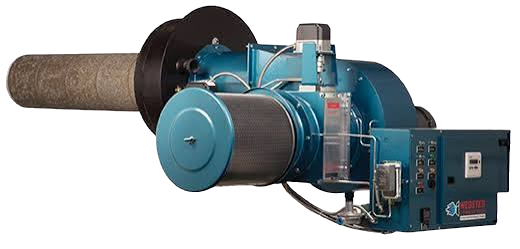
What is a Low NOx Burner?
A low NOx burner is an advanced combustion system designed to minimize the formation of nitrogen oxides (NOx) during the burning of liquefied petroleum gas (LPG) or other gaseous fuels. By optimizing the air-to-fuel ratio, flame temperature, and combustion process, a low NOx burner significantly reduces harmful emissions while maintaining high thermal efficiency and reliable boiler performance.
As environmental regulations become more stringent across Kenya and East Africa, industries are increasingly adopting cleaner combustion technologies to reduce their environmental footprint. Manufacturing facilities in Nairobi, Thika, Athi River, Mombasa, Kisumu, Nakuru, and Eldoret are upgrading conventional boiler burners to low NOx burners to improve energy efficiency, comply with regulatory requirements, and support sustainable industrial operations.
Related Products
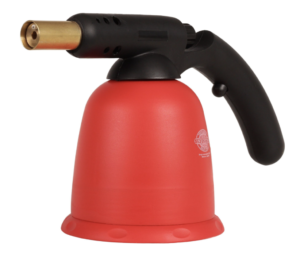

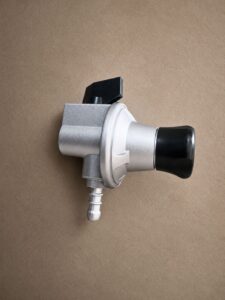
Businesses investing in cleaner combustion systems can explore our LPG engineering solutions for professionally engineered LPG installations, industrial burners, and complete boiler fuel systems.
Why Low NOx Burners Matter in Modern Industry
A low NOx burner reduces nitrogen oxide emissions by controlling combustion conditions inside industrial boilers. It improves fuel efficiency, lowers environmental impact, supports regulatory compliance, and extends boiler life through cleaner and more stable combustion.
Nitrogen oxides contribute to air pollution, acid rain, and ground-level ozone formation. Conventional burners operating at excessively high flame temperatures generate significantly higher NOx levels, increasing environmental impact and potential compliance risks.
A low NOx burner addresses these challenges by:
- Lowering combustion temperatures without sacrificing efficiency
- Improving fuel-air mixing
- Producing cleaner flame characteristics
- Reducing fuel consumption
- Enhancing overall combustion stability
The result is cleaner emissions and lower operating costs for industrial facilities.
Industrial Trends Driving Adoption in Kenya and East Africa
Manufacturers throughout East Africa are modernizing boiler systems to improve operational efficiency while meeting sustainability objectives.
Industries leading this transition include:
- Food and beverage processing
- Textile manufacturing
- Pharmaceutical production
- Chemical processing
- Paper and packaging
- Tea and coffee processing
- Dairy manufacturing
- Industrial laundries
Factories located in Thika Industrial Area and Athi River Industrial Park are increasingly replacing older combustion equipment with low NOx burners to reduce emissions while improving production efficiency.
Organizations planning boiler upgrades should consult a trusted engineering partner to ensure proper burner sizing, fuel system integration, and compliance with Kenyan engineering standards.
Commercial & Industrial Applications
Industrial Steam Generation
Steam remains one of the most important energy sources in manufacturing. Boilers powered by LPG provide clean and efficient thermal energy for production processes, sterilization, drying, and heating.
A low NOx burner enhances steam generation by providing stable combustion with reduced emissions. This is particularly valuable in industries where boilers operate continuously for long production cycles.
Typical applications include:
- Steam boilers
- Hot water boilers
- Process heating
- Industrial dryers
- Heat exchangers
Food and Beverage Processing
Food manufacturers require consistent heat while complying with strict environmental and food safety standards.
A low NOx burner delivers:
- Stable flame characteristics
- Uniform process temperatures
- Reduced emissions
- Improved fuel economy
- Cleaner combustion
These benefits help manufacturers maintain product quality while reducing operating expenses.
Pharmaceutical Manufacturing
Pharmaceutical production depends on highly reliable steam systems for sterilization, cleanroom support, and process heating.
A low NOx burner minimizes combustion-related contaminants and improves thermal efficiency, supporting critical manufacturing processes.
Facilities often integrate burner systems with advanced LPG control panels to automate combustion monitoring, ignition control, flame supervision, and emergency shutdown functions.
Textile and Garment Industries
Textile factories consume significant thermal energy for washing, dyeing, drying, and finishing operations.
Replacing conventional burners with a low NOx burner enables manufacturers to:
- Lower fuel costs
- Improve combustion efficiency
- Reduce environmental impact
- Increase boiler reliability
This makes modern combustion technology an important investment for export-oriented manufacturers seeking improved sustainability credentials.
Chemical and Industrial Processing Plants
Chemical manufacturing often requires precise temperature control throughout continuous production processes.
A low NOx burner provides:
- Consistent heat output
- Improved combustion stability
- Accurate flame control
- Reduced emissions
- High operational reliability
Complete boiler systems can also incorporate high-performance LPG vaporizers to ensure consistent vapor supply under varying process loads.
Commercial Institutions
Hospitals, universities, hotels, and large commercial facilities also benefit from cleaner combustion technologies.
Applications include:
- Central heating systems
- Steam generation
- Laundry operations
- Kitchen heating
- Domestic hot water production
For institutions with comprehensive LPG infrastructure, professionally designed advanced LPG piping systems ensure safe and reliable fuel distribution between storage tanks, vaporizers, and boiler rooms.
Engineering Challenges Solved by Low NOx Burners
Industrial boiler operators frequently encounter issues such as excessive fuel consumption, unstable combustion, high maintenance costs, and increasing environmental compliance requirements.
A low NOx burner addresses these operational challenges by providing:
- Optimized air-fuel mixing
- Lower nitrogen oxide emissions
- Stable flame performance
- Improved thermal efficiency
- Reduced soot formation
- Lower maintenance frequency
- Longer equipment service life
When integrated into a professionally engineered LPG combustion system, a low NOx burner helps factories reduce operating costs while supporting cleaner industrial production.
For complete combustion system design, installation, and optimization, businesses can seek professional engineering consultation from Megtraco Kenya Ltd to ensure compliance with EPRA, KEBS, DOSHS, and internationally recognized combustion engineering standards.
Engineering Specifications & Technical Performance
How Does a Low NOx Burner Improve Boiler Performance?
A low NOx burner is engineered to optimize the combustion process by carefully controlling the air-to-fuel ratio, flame temperature, and gas flow dynamics. These improvements reduce nitrogen oxide (NOx) emissions while maintaining excellent thermal efficiency, stable flame characteristics, and dependable boiler performance for continuous industrial operations.
Unlike conventional burners that produce higher flame temperatures and increased emissions, a low NOx burner uses staged combustion, controlled flame shaping, and advanced mixing technology to achieve cleaner combustion with minimal heat loss.
Key Engineering Specifications
Selecting the correct low NOx burner depends on the boiler capacity, process heat demand, fuel characteristics, and operating environment. Modern industrial burners are designed to support automated operation while delivering consistent combustion performance under varying load conditions.
Technical Specification Table
| Parameter | Typical Specification |
|---|---|
| Fuel Type | LPG (Liquefied Petroleum Gas) |
| Burner Capacity | 100 kW – 20 MW+ |
| NOx Emissions | Ultra-low depending on burner design |
| Combustion Efficiency | Up to 98% |
| Modulation Range | Up to 10:1 |
| Ignition System | Automatic electronic ignition |
| Flame Monitoring | UV/IR flame detector |
| Operating Pressure | Application specific |
| Control Interface | PLC/BMS compatible |
| Installation | Horizontal or vertical boiler mounting |
These specifications may vary depending on the application, process requirements, and boiler manufacturer recommendations.
Main Components of a Low NOx Burner
Every low NOx burner incorporates precision-engineered components that work together to deliver safe, efficient, and environmentally responsible combustion.
Burner Head
The burner head controls flame shape and air distribution, ensuring complete combustion while minimizing NOx formation.
Combustion Fan
The combustion fan supplies the precise volume of combustion air required to maintain an optimal air-to-fuel ratio under varying boiler loads.
Gas Valve Train
The gas train regulates fuel delivery using pressure regulators, safety shut-off valves, filters, and flow controls.
Facilities installing new burner systems should consider integrating LP gas train equipment to ensure safe fuel regulation and reliable combustion performance.
Flame Detection System
Continuous flame monitoring enables immediate shutdown if flame instability or ignition failure is detected.
Electronic Control System
Modern burners utilize programmable controllers to regulate ignition, modulation, combustion efficiency, and fault diagnostics.
For enhanced automation and system monitoring, manufacturers often integrate advanced control panels into industrial boiler installations.
Performance Advantages
Installing a low NOx burner provides measurable operational and environmental benefits.
Improved Fuel Efficiency
Optimized combustion reduces wasted fuel while maximizing heat transfer to the boiler.
Lower Operating Costs
Reduced fuel consumption and cleaner combustion contribute to lower energy costs and decreased maintenance requirements.
Cleaner Boiler Operation
Efficient combustion minimizes soot formation, reducing fouling within heat exchangers and improving long-term boiler performance.
Extended Equipment Life
Lower combustion temperatures reduce thermal stress on burner components, helping extend equipment service life.
Regulatory Compliance
A low NOx burner supports compliance with environmental regulations governing industrial emissions.
Performance Comparison
| Feature | Conventional Burner | Low NOx Burner |
| NOx Emissions | High | Very Low |
| Fuel Efficiency | Moderate | High |
| Flame Stability | Good | Excellent |
| Fuel Consumption | Higher | Lower |
| Maintenance Frequency | More Frequent | Reduced |
| Environmental Impact | Higher | Lower |
| Automation Compatibility | Standard | Advanced |
| Lifecycle Cost | Higher | Lower |
Installation Best Practices
How Should a Low NOx Burner Be Installed?
A low NOx burner should be installed by qualified LPG combustion engineers following manufacturer specifications, EPRA regulations, KEBS standards, and internationally recognized engineering practices. Proper installation ensures maximum efficiency, operational safety, and long-term reliability.
Phase 1 – Site Assessment
Before installation, engineers evaluate:
- Boiler capacity
- Heat demand
- Available fuel supply
- Ventilation requirements
- Chimney condition
- Combustion air availability
- Electrical power requirements
This assessment determines the most suitable burner configuration.
Phase 2 – Equipment Selection
The selected low NOx burner must match:
- Boiler firing rate
- Fuel pressure
- Steam demand
- Process temperature
- Future production expansion
Working with professional engineering consultation helps ensure accurate sizing and efficient system integration.
Phase 3 – Mechanical Installation
Installation activities include:
- Mounting the burner assembly
- Installing the gas train
- Connecting LPG supply piping
- Electrical wiring
- Control system integration
- Safety interlock installation
Reliable gas distribution is achieved using advanced LPG piping systems engineered for industrial LPG applications.
Phase 4 – Testing and Commissioning
Commissioning verifies that the low NOx burner operates safely and efficiently before being placed into service.
Commissioning Checklist
| Inspection Item | Verification |
| Mechanical installation | ✓ Complete |
| Gas pressure test | ✓ Passed |
| Leak inspection | ✓ Passed |
| Ignition sequence | ✓ Verified |
| Flame stability | ✓ Stable |
| Combustion tuning | ✓ Optimized |
| Safety shutdown test | ✓ Passed |
| Emissions verification | ✓ Within specification |
Safety Systems
Industrial burner installations should always incorporate multiple safety layers.
Recommended systems include:
- Automatic emergency shut-off valves
- Flame failure protection
- Pressure monitoring devices
- Gas leak detection
- Emergency stop controls
- Fire suppression systems
Facilities can enhance protection by installing industrial gas leak detection systems for continuous monitoring and commercial fire safety systems to provide rapid fire response in boiler rooms and LPG storage areas.
Preventive Maintenance
Routine maintenance maximizes burner efficiency and minimizes unexpected downtime.
Recommended Maintenance Schedule
| Interval | Maintenance Activity |
| Daily | Visual inspection and operational checks |
| Weekly | Verify flame quality and pressure readings |
| Monthly | Inspect ignition components and gas train |
| Quarterly | Clean burner assembly and sensors |
| Semi-Annually | Perform combustion analysis |
| Annually | Complete system servicing and calibration |
Contact Megtraco Kenya Ltd
Looking to upgrade your boiler with a high-efficiency low NOx burner? Megtraco Kenya Ltd provides complete LPG combustion engineering solutions for commercial and industrial facilities across Kenya and East Africa. Our experienced engineers design, supply, install, commission, and maintain advanced burner systems that improve energy efficiency, reduce emissions, and support compliance with EPRA, KEBS, and international safety standards.
Whether you’re modernizing an existing boiler plant, constructing a new manufacturing facility, or seeking cleaner combustion technology, our team is ready to provide expert guidance tailored to your operational requirements.
Why Choose Megtraco Kenya Ltd?
- Established since 1969 with decades of LPG engineering experience
- EPRA-licensed LPG engineering company
- KEBS-certified LPG equipment and components
- Specialists in industrial boiler combustion systems
- Complete engineering, installation, testing, and commissioning services
- Reliable technical support and after-sales service across East Africa
Contact Us
Megtraco Kenya Ltd
Location: Nairobi, Kenya – Serving Nairobi, Mombasa, Kisumu, Nakuru, Eldoret, Thika, Machakos, Uganda, Tanzania, Rwanda, and the wider East African region.
Email: sales@megtracokenya.com
Sales: +254 725 870 114
Technical Support: +254 733 721 598
WhatsApp: +254 799 086 323
Website: www.megtracokenya.com
Explore our LPG engineering solutions, learn more about our professional engineering services, browse our complete product catalogue, or request a customized quotation for your next industrial boiler or LPG combustion project.
