What is a Commercial LPG Burner?
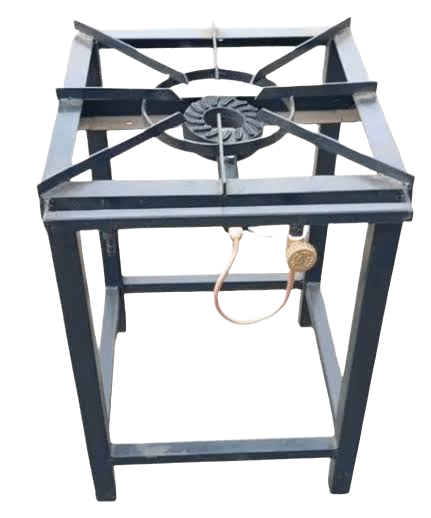
A commercial LPG burner is a high-output combustion device designed to generate intense, controlled heat using liquefied petroleum gas (LPG). In industrial and hospitality environments, it is used for large-scale cooking, boiling, steaming, frying, and food processing applications where consistent thermal performance is critical.
The commercial LPG burner featured in this specification delivers up to 80,000 Kcal/hr, making it suitable for high-volume kitchens such as hotels, catering facilities, institutional kitchens, and food processing plants. Built with durable cast iron construction, it is engineered to withstand continuous operation under high thermal loads.
Related Products
Across Kenya’s hospitality sector—especially in coastal hubs like Mombasa, Malindi, and Diani—demand for high-capacity kitchen equipment continues to rise due to expanding tourism, large-scale catering operations, and institutional food services.
Businesses upgrading their kitchen infrastructure often integrate burners with our LPG engineering solutions to ensure safe fuel supply, pressure regulation, and system-wide efficiency.
Why Commercial LPG Burners Are Essential in Industrial Kitchens
A commercial LPG burner provides high-intensity, reliable heat for industrial kitchens, enabling fast cooking cycles, consistent temperature control, and efficient fuel consumption in high-demand food production environments.
Industrial kitchens cannot rely on domestic cooking systems because they require:
- Continuous heat output
- Large batch cooking capability
- High thermal efficiency
- Durable construction materials
- Stable flame performance
A commercial LPG burner addresses these requirements by delivering consistent combustion output even under prolonged operation.
Growth of Industrial Kitchen Infrastructure in Kenya
Kenya’s hospitality and food service industry has expanded significantly due to:
- Tourism growth along the coast
- Expansion of hotel chains and resorts
- Growth of institutional catering services
- Increased demand for packaged and processed foods
- Urbanization and restaurant proliferation
Hotels in Mombasa, Nairobi, Kisumu, and Nakuru are upgrading kitchen systems to improve efficiency and reduce operational costs.
A commercial LPG burner plays a key role in this transformation by providing reliable high-heat energy for continuous kitchen operations.
For full system design and installation, operators often consult a trusted engineering partner to ensure proper burner selection, gas safety integration, and compliance with Kenyan safety standards.
Key Applications of Commercial LPG Burners
Hotel Kitchens and Resorts
Large hotels require continuous cooking capacity for breakfast buffets, banquets, and room service operations. A commercial LPG burner ensures uninterrupted heat supply for peak kitchen performance.
Restaurants and Catering Services
Restaurants rely on fast cooking cycles and consistent flame control. The 80,000 Kcal/hr output enables chefs to maintain high productivity during peak hours.
Institutional Kitchens
Schools, universities, and hospitals use commercial burners for large-scale meal preparation.
Food Processing Facilities
Food production plants require stable heat for boiling, frying, sterilization, and processing operations.
Coastal Hospitality Industry (Mombasa Focus)
Tourism-driven kitchens in Mombasa and coastal regions require heavy-duty equipment capable of handling high guest volumes, especially during peak travel seasons.
Engineering Challenges Solved by Commercial LPG Burners
Industrial kitchens often face:
- Uneven heat distribution
- Slow cooking cycles
- High energy costs
- Equipment failure under continuous use
- Safety risks from poor combustion control
A commercial LPG burner solves these challenges by providing:
- Stable flame output
- High thermal efficiency
- Durable cast iron construction
- Improved fuel combustion
- Reduced downtime
- Better operational safety
Safety Considerations in Industrial LPG Cooking Systems
LPG is a high-energy fuel that must be handled with proper engineering controls. A commercial LPG burner must be integrated into a safe and compliant gas system.
Key safety considerations include:
- Proper gas pressure regulation
- Leak detection systems
- Flame failure protection
- Adequate ventilation
- Emergency shut-off systems
Facilities can enhance safety by integrating industrial gas leak detection systems for continuous monitoring of kitchen gas lines.
Fire safety is equally critical. Industrial kitchens should use commercial fire suppression systems to reduce risk of fire escalation.
Integration with LPG Infrastructure
A commercial LPG burner performs best when integrated into a complete engineered gas system, including:
- LPG storage cylinders or bulk tanks
- Pressure regulators
- Gas pipelines
- Safety shut-off valves
- Control panels
- Ventilation systems
Facilities can enhance system performance using advanced LPG control panels for automated monitoring and shutdown control.
Safe gas distribution is achieved using advanced LPG piping systems designed for durability and leak resistance.
Engineering Specifications, Installation & Maintenance
A commercial LPG burner is engineered to deliver stable, high-output combustion for industrial kitchen environments where continuous heat is required. The system is designed to maintain a consistent flame under varying load conditions while ensuring efficient fuel utilization and safe operation.
The 80,000 Kcal/hr cast iron design ensures strong thermal output suitable for boiling, frying, steaming, and bulk food preparation in high-demand kitchens.
Key Engineering Specifications
A commercial LPG burner operates by mixing LPG with controlled air supply to produce a high-temperature flame, delivering up to 80,000 Kcal/hr of heat output for industrial cooking applications while maintaining efficient combustion and stable flame performance.
Technical Specification Table
| Parameter | Typical Value |
|---|---|
| Fuel Type | LPG (Liquefied Petroleum Gas) |
| Heat Output | 80,000 Kcal/hr |
| Burner Material | Cast iron |
| Ignition System | Manual or automatic (depending on model) |
| Flame Type | Adjustable high-intensity flame |
| Gas Pressure | Regulated LPG supply |
| Efficiency | High thermal efficiency combustion |
| Installation Type | Table-mounted / stand-mounted |
| Application | Industrial and commercial kitchens |
| Safety Features | Flame control, pressure regulation |
Main Components of a Commercial LPG Burner
1. Cast Iron Burner Head
The burner head is built from heavy-duty cast iron to withstand extreme heat conditions and continuous operation. It ensures even flame distribution across cookware surfaces.
2. Gas Inlet and Regulator System
The gas inlet controls LPG flow into the burner system. A regulator ensures that pressure remains stable for safe and efficient combustion.
For improved system reliability, facilities often install LP gas train equipment for controlled fuel delivery.
3. Air Mixing Chamber
The air mixing chamber combines LPG with oxygen to create an optimal combustion mixture, improving flame efficiency and reducing fuel waste.
4. Flame Control Valve
This component allows users to adjust flame intensity depending on cooking requirements, from low simmering to high-heat boiling or frying.
5. Support Frame
A reinforced metal frame supports heavy cookware and ensures stability during high-temperature operations.
Performance Advantages
High Heat Output
The commercial LPG burner delivers rapid heating, making it ideal for high-volume cooking environments such as hotels and catering kitchens.
Fuel Efficiency
Optimized combustion reduces LPG consumption while maintaining strong heat output, lowering operational costs.
Durable Construction
Cast iron construction ensures long-term durability even under continuous industrial use.
Stable Flame Control
The burner provides consistent flame stability, allowing chefs to maintain precise cooking conditions.
Reduced Downtime
Reliable components reduce maintenance frequency and improve kitchen productivity.
Comparison: Domestic vs Commercial LPG Burner
| Feature | Domestic Burner | Commercial LPG Burner |
| Heat Output | Low | High (80,000 Kcal/hr) |
| Durability | Moderate | Heavy-duty cast iron |
| Usage Type | Household | Industrial kitchens |
| Operating Hours | Limited | Continuous operation |
| Fuel Efficiency | Standard | Optimized combustion |
| Maintenance | Frequent | Reduced |
Installation Guidelines
1. Site Preparation
Before installation, ensure:
- Proper ventilation in kitchen area
- Stable mounting surface
- Adequate LPG supply line
- Safe clearance from flammable materials
2. Gas Connection Setup
The burner must be connected to a regulated LPG supply system with proper safety controls.
A professionally designed system ensures safe fuel delivery and stable operation.
3. System Integration
A commercial LPG burner should be integrated with:
- LPG storage cylinders or bulk tanks
- Pressure regulators
- Shut-off valves
- Gas piping systems
- Safety monitoring equipment
Safe distribution is achieved using advanced LPG piping systems designed for industrial kitchen applications.
4. Testing and Commissioning
Before use, the system must be tested for:
- Gas leaks
- Flame stability
- Pressure consistency
- Burner ignition performance
- Safety valve operation
Safety Systems
Industrial kitchen safety is critical when operating a commercial LPG burner.
Leak Detection Systems
Continuous monitoring helps detect gas leaks early and prevent hazards. Facilities can install industrial gas leak detection systems for real-time safety monitoring.
Fire Protection Systems
Fire risks in commercial kitchens must be controlled using dedicated suppression systems.
Operators should install commercial fire safety systems to respond quickly to any fire incidents.
Ventilation Requirements
Proper ventilation ensures safe combustion and prevents accumulation of harmful gases in enclosed kitchen environments.
Maintenance Schedule
| Interval | Maintenance Activity |
| Daily | Clean burner surface and check flame |
| Weekly | Inspect gas connections and valves |
| Monthly | Check regulator and pressure stability |
| Quarterly | Deep cleaning of burner head |
| Semi-Annual | Full system inspection |
| Annual | Professional servicing and certification |
Operational Best Practices
To maximize efficiency and safety:
- Always inspect burner before operation
- Avoid blocked air inlets
- Maintain proper gas pressure levels
- Clean burner ports regularly
- Ensure proper ventilation at all times
Compliance Requirements
A commercial LPG burner must comply with:
- EPRA gas installation regulations
- KEBS equipment standards
- DOSHS workplace safety requirements
- NFPA LPG handling guidelines
- Local county fire safety rules
For compliance assurance and professional installation, businesses should work with Megtraco Kenya LPG engineering services.
Conclusion
A commercial LPG burner is a critical component of high-performance industrial kitchen systems. With its high heat output, durable cast iron construction, and efficient combustion design, it supports Kenya’s expanding hospitality and food production sectors.
Proper installation, maintenance, and safety integration ensure long-term reliability and optimal performance in demanding commercial environments.
For full turnkey kitchen gas system design and installation, organizations can rely on Megtraco Kenya LPG solutions for end-to-end engineering support.
Contact Megtraco Kenya Ltd
Need a reliable commercial LPG burner for your hotel kitchen, restaurant, catering facility, or industrial food production plant? Megtraco Kenya Ltd provides complete LPG engineering solutions designed for high-performance cooking systems across Kenya and East Africa.
We specialize in the supply, installation, testing, and commissioning of industrial LPG burners, gas piping systems, safety equipment, and full kitchen gas infrastructure that meets EPRA, KEBS, and DOSHS safety standards.
Why Choose Megtraco Kenya Ltd?
- Over 50 years of LPG engineering experience (since 1969)
- EPRA-licensed LPG system designers and installers
- KEBS-certified equipment and components
- Specialists in commercial kitchen gas systems
- Full turnkey solutions: design, supply, installation & commissioning
- Reliable technical support and maintenance services
Contact Details
Megtraco Kenya Ltd
Location: Nairobi, Kenya – Serving Mombasa, Nairobi, Kisumu, Nakuru, Eldoret, Thika, Machakos, and the wider East African region.
Email: sales@megtracokenya.com
Sales Line: +254 725 870 114
Technical Support: +254 733 721 598
WhatsApp: +254 799 086 323
You May Also Like

Website: https://megtracokenya.com
Explore More Solutions
- Discover our LPG engineering solutions for complete industrial gas systems
- View our professional engineering services for design and installation support
- Browse our full product catalogue for burners, valves, and LPG systems
- Request a quote via our quotation page for tailored project pricing
For safe, efficient, and high-performance kitchen gas systems, Megtraco Kenya Ltd remains your trusted engineering partner in commercial LPG burner solutions across East Africa.
