What is a Single-Nozzle Autogas Dispenser?
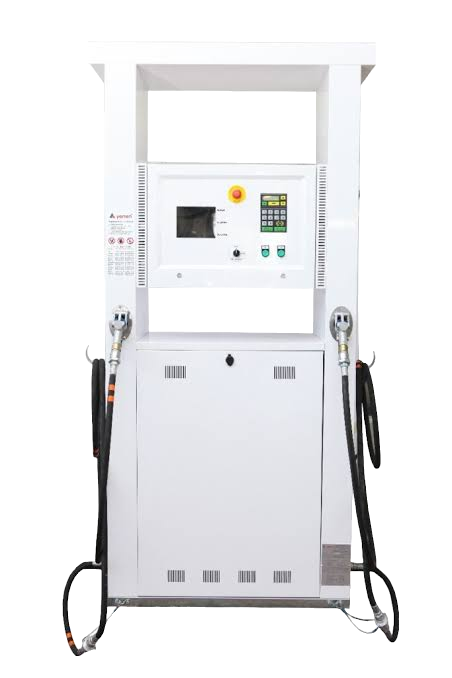
A single-nozzle autogas dispenser is a compact LPG fueling unit designed to safely and accurately dispense liquefied petroleum gas (LPG) into autogas-converted vehicles. It combines precision flow measurement, electronic controls, emergency safety systems, and certified dispensing components into one integrated fueling solution. For businesses operating a limited number of vehicles, a single-nozzle autogas dispenser provides an economical alternative to larger multi-nozzle filling stations while maintaining high safety and performance standards.
As Kenya continues to diversify its energy mix, autogas adoption is steadily increasing among commercial fleets, government agencies, logistics companies, taxi operators, and private organizations. Rising fuel costs and stricter environmental objectives have encouraged many fleet owners to convert petrol-powered vehicles to LPG, creating demand for compact and reliable refueling infrastructure.
Related Products
Businesses establishing private fueling stations often integrate dispensers with our LPG engineering solutions to ensure safe storage, distribution, and dispensing of LPG throughout the facility.
The Growth of Autogas Infrastructure in Kenya and East Africa
The transportation sector across Kenya, Uganda, Tanzania, and Rwanda is experiencing increased investment in LPG-powered mobility. Government initiatives promoting cleaner energy, coupled with advances in LPG conversion technology, have made autogas an attractive alternative for commercial operators seeking to reduce operating costs.
Unlike conventional retail fuel stations designed for continuous public traffic, many organizations require fueling systems dedicated exclusively to their own vehicles. A single-nozzle autogas dispenser offers an ideal solution by providing accurate dispensing capacity without the higher capital investment associated with multi-dispenser installations.
Fleet operators in Nairobi, Mombasa, Kisumu, Nakuru, Eldoret, Thika, and Machakos are increasingly investing in compact autogas stations to improve operational efficiency and reduce dependence on external fueling facilities.
Organizations planning new LPG fueling infrastructure should work with a trusted engineering partner to ensure proper system design, equipment selection, and compliance with applicable engineering standards.
Why Businesses Choose a Single-Nozzle Autogas Dispenser
A single-nozzle autogas dispenser provides a safe, accurate, and cost-effective LPG refueling solution for businesses operating small commercial fleets. It minimizes installation costs while maintaining reliable dispensing accuracy, integrated safety features, and straightforward maintenance.
The growing popularity of the single-nozzle autogas dispenser can be attributed to several engineering and operational advantages:
- Lower installation costs compared to multi-nozzle systems
- Compact footprint suitable for small depots
- Accurate electronic fuel measurement
- Reduced maintenance requirements
- Enhanced fuel accountability
- Improved fleet scheduling
- Easy future expansion
Many organizations begin with a single-nozzle autogas dispenser and later expand their fueling infrastructure as fleet sizes increase.
Engineering Challenges Solved by a Single-Nozzle Autogas Dispenser
Fleet managers face numerous challenges when relying exclusively on public filling stations, including vehicle downtime, inconsistent fueling schedules, fuel accountability issues, and increased operating expenses.
Installing a single-nozzle autogas dispenser addresses these challenges by enabling on-site refueling under controlled operating conditions.
Key operational improvements include:
- Faster vehicle turnaround
- Improved fuel inventory management
- Better monitoring of fuel consumption
- Reduced unauthorized fuel usage
- Enhanced operational planning
- Increased fleet availability
Modern autogas stations can also integrate advanced LPG control panels to automate emergency shutdown procedures, monitor system pressures, and provide real-time operational diagnostics.
Why Safety is Critical in LPG Vehicle Refueling
LPG is stored under pressure and requires professionally engineered dispensing systems to ensure safe transfer into vehicle tanks. Every component of a single-nozzle autogas dispenser must operate reliably under varying temperatures, pressures, and fueling conditions.
Critical safety objectives include:
- Preventing gas leakage
- Eliminating static discharge hazards
- Maintaining accurate dispensing pressure
- Ensuring emergency isolation
- Protecting operators and customers
To enhance facility safety, dispensing stations should also incorporate industrial gas leak detection systems capable of providing early warning should an LPG leak occur.
Fire protection is equally important. Facilities storing or dispensing LPG should consider commercial fire safety systems designed to detect and suppress fire incidents before they escalate.
Regulatory Compliance for Autogas Dispensing Systems
In Kenya, every LPG dispensing installation should be designed, installed, tested, and commissioned in accordance with applicable regulatory and engineering requirements.
Key compliance considerations include:
- Energy and Petroleum Regulatory Authority (EPRA) requirements for LPG installations
- Kenya Bureau of Standards (KEBS) certification of dispensing equipment and associated components
- Directorate of Occupational Safety and Health Services (DOSHS) workplace safety requirements
- NFPA 58 recommendations for LPG storage and handling systems
- Local fire authority requirements for emergency response planning
Working with experienced LPG engineers helps ensure the single-nozzle autogas dispenser is integrated into a safe, compliant, and efficient fueling system.
For organizations requiring complete fueling infrastructure, professional engineering consultation can assist with system sizing, storage tank selection, pipeline design, dispenser configuration, and regulatory approvals.
Commercial & Industrial Applications
Where is a Single-Nozzle Autogas Dispenser Used?
A single-nozzle autogas dispenser is designed for organizations that operate small to medium-sized vehicle fleets and require a dependable, cost-effective LPG refueling solution. Unlike multi-nozzle dispensing systems built for public service stations with high traffic volumes, a single-nozzle autogas dispenser provides controlled fueling for private fleet operations while maintaining the same high standards of safety, accuracy, and operational efficiency.
Its compact footprint makes it suitable for businesses with limited installation space, while its modular design allows future expansion as fleet sizes increase. Across Kenya and East Africa, the single-nozzle autogas dispenser is increasingly being adopted by organizations seeking lower fuel costs, improved fleet management, and reduced vehicle downtime.
Logistics and Distribution Companies
Courier services, wholesalers, and logistics providers rely on vehicle availability to meet delivery schedules. Every unnecessary trip to an external fueling station increases operational costs and reduces productivity.
Installing a single-nozzle autogas dispenser at a company depot enables drivers to refuel before or after scheduled routes, improving fleet utilization and reducing downtime.
Typical applications include:
- Last-mile delivery companies
- Distribution warehouses
- Courier and parcel services
- FMCG transportation fleets
- Regional logistics operators
Businesses planning private fueling facilities can complement their dispensing systems with high-performance LPG vaporizers to ensure a stable vapor supply during periods of high fuel demand.
Commercial Businesses
Many businesses operate fewer than 20 company vehicles but consume significant volumes of fuel each month. For these organizations, a single-nozzle autogas dispenser offers an affordable alternative to outsourcing fuel purchases.
Common users include:
- Security companies
- Cleaning service providers
- Utility contractors
- Engineering firms
- Construction companies
- Telecommunications maintenance fleets
The compact nature of the single-nozzle autogas dispenser makes installation possible even within relatively small commercial compounds.
Government and Municipal Fleets
County governments and public institutions increasingly seek cleaner transport solutions while maintaining strict control over fuel expenditure.
A single-nozzle autogas dispenser supports:
- Waste collection vehicles
- Water service vehicles
- Public works departments
- Parks maintenance fleets
- Municipal inspection vehicles
Private fueling also improves accountability by allowing organizations to monitor consumption using electronic dispensing records.
Educational Institutions
Universities, colleges, and schools operating buses and service vehicles benefit from centralized LPG refueling.
Advantages include:
- Simplified fleet management
- Improved fuel security
- Reduced operational delays
- Lower transportation costs
As institutions expand their LPG infrastructure, they often integrate advanced LPG piping systems to create safe underground fuel distribution networks between storage tanks and dispensing units.
Hospitality Industry
Hotels, resorts, safari lodges, and conference facilities frequently maintain guest transport vehicles that require daily refueling.
Installing a single-nozzle autogas dispenser allows hospitality businesses to:
- Reduce fuel costs
- Improve scheduling flexibility
- Eliminate unnecessary fueling trips
- Maintain better operational control
Because hospitality facilities often combine LPG vehicle fueling with kitchen gas systems, engineering integration becomes especially important.
Organizations can browse our complete product catalogue to identify compatible LPG infrastructure components for integrated installations.
Engineering Specifications & Technical Performance
What Makes a Single-Nozzle Autogas Dispenser Reliable?
A single-nozzle autogas dispenser combines precision mechanical engineering with intelligent electronic controls to ensure safe, accurate, and repeatable fuel delivery.
Each fueling cycle involves:
- Pressure regulation
- Flow measurement
- Electronic volume calculation
- Safety monitoring
- Automatic shut-off
- Transaction recording
This process guarantees consistent dispensing accuracy while protecting both operators and equipment.
Technical Specification Table
| Parameter | Typical Specification |
|---|---|
| Fuel Type | Automotive LPG |
| Flow Rate | 5–50 litres/minute |
| Meter Accuracy | ±0.5% |
| Operating Voltage | 220–240V AC |
| Display | Digital LCD |
| Nozzle Type | Automotive LPG nozzle |
| Hose Length | 4–6 metres |
| Pressure Protection | Automatic safety valves |
| Emergency Stop | Standard |
| Installation | Indoor or outdoor canopy |
Major Components
A professionally engineered single-nozzle autogas dispenser consists of several integrated systems working together to provide safe and efficient vehicle refueling.
Electronic Metering Unit
The electronic metering unit accurately measures LPG delivered to each vehicle. Precision calibration minimizes fuel discrepancies and improves inventory management.
Solenoid Safety Valves
Automatic shut-off valves immediately isolate LPG flow whenever abnormal operating conditions are detected.
Dispensing Hose and Nozzle
The fueling hose is engineered to withstand repeated flexing while maintaining pressure integrity.
The nozzle incorporates secure locking mechanisms that minimize leakage during connection and disconnection.
Emergency Stop System
Every single-nozzle autogas dispenser should include an emergency stop button positioned for rapid operator access.
When activated, the system immediately:
- Stops LPG flow
- Isolates electrical circuits
- Activates emergency shutdown protocols
Safety Engineering Features
Modern single-nozzle autogas dispensers incorporate multiple layers of engineered protection.
Breakaway Coupling
If a vehicle accidentally moves while connected, the breakaway coupling separates safely without causing major LPG leakage.
Overpressure Protection
Pressure monitoring devices continuously verify safe operating conditions and prevent excessive system pressure.
Leak Detection Integration
Professional fueling stations often integrate industrial gas leak detection systems that provide continuous monitoring of LPG concentrations around dispensing equipment.
Fire Protection
Every autogas installation should incorporate appropriate fire safety measures.
Facilities can enhance protection by installing commercial fire safety systems designed specifically for LPG environments.
Performance Benefits
A properly installed single-nozzle autogas dispenser delivers measurable operational improvements across commercial fleets.
| Performance Indicator | Operational Benefit |
| Fuel Accuracy | Improved inventory control |
| Refueling Speed | Reduced vehicle downtime |
| Maintenance | Lower servicing costs |
| Safety | Enhanced operator protection |
| Fuel Accountability | Improved reporting accuracy |
| Scalability | Supports future expansion |
These performance improvements contribute to lower operating costs while maintaining compliance with engineering best practices.
Integration with Complete LPG Infrastructure
Although the single-nozzle autogas dispenser functions as the primary fueling interface, it performs best when integrated into a professionally engineered LPG system.
A complete installation may include:
- Bulk LPG storage tanks
- Transfer pumps
- Pressure regulators
- Isolation valves
- Underground LPG pipelines
- Leak detection systems
- Fire suppression equipment
- Electronic control panels
Working with Megtraco Kenya Ltd ensures that every component is selected, installed, and commissioned to deliver long-term operational reliability and compliance with applicable engineering standards.
Organizations planning new fleet fueling stations are encouraged to request a customized quotation to receive expert guidance on system sizing, equipment selection, installation, and commissioning.