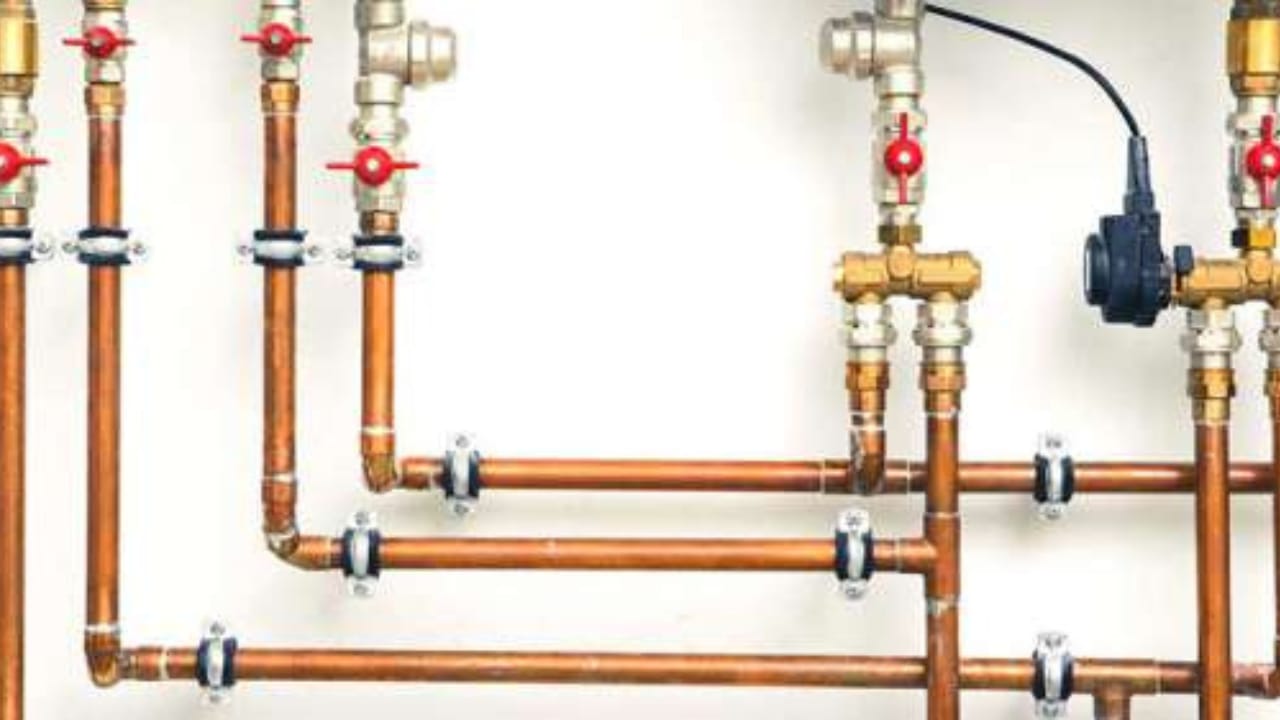
Retrofitting piped gas into an occupied building requires considerably more planning than installing LPG reticulation in a new development. A successful retrofit piped gas Kenya project must work around existing structures, occupied apartments or commercial spaces, established electrical and plumbing services, access restrictions and daily building operations while maintaining gas safety throughout the installation.
Reticulated LPG can provide a practical alternative to managing multiple individual cylinders across apartments, restaurants, institutions and commercial properties. A centralized storage installation can supply gas through engineered pipework to individual units, allowing the property to move from cylinder-based supply to a controlled distribution network.
Related Products
However, installing such a system in an existing building presents a different engineering problem.
The building already exists.
Tenants may already be living or working inside it.
Walls may already be finished.
Ceilings may be closed.
Electrical conduits, water pipes, drainage systems, HVAC services and communication cables may occupy the most convenient routes.
Fire compartments may already be established.
Parking areas and access roads may be in daily use.
For these reasons, retrofit piped gas Kenya projects require detailed surveys, route planning, phased installation, controlled access and careful commissioning.
The objective is not simply to install pipes.
The objective is to introduce a new energy distribution system into an existing structure without compromising safety, building functionality or occupant confidence.
Why Retrofit Piped Gas Kenya Projects Require Specialist Planning
Retrofit piped gas Kenya projects require specialist planning because the engineer must integrate a new LPG distribution network with an existing building rather than designing around an empty construction site. The design must account for available routes, structural limitations, existing utilities, occupancy, fire safety, access and future maintenance.
A new building allows the LPG system to be incorporated into architectural and MEP drawings before construction.
A retrofit does not provide that advantage.
The engineer may encounter:
- Concealed electrical conduits
- Existing water services
- Drainage stacks
- Suspended ceilings
- Finished walls
- Structural beams
- Occupied apartments
- Commercial kitchens
- Existing fire systems
- Restricted plant areas
- Limited vertical shafts
The first step is therefore to establish what is actually present.
This makes the building survey one of the most important phases of a retrofit piped gas Kenya project.
A professional engineering team should avoid relying exclusively on old architectural drawings because the building may have undergone modifications after construction.
A survey should verify the physical conditions before the final pipe route is approved.
What Is Gas Reticulation Retrofit?
Gas reticulation retrofit is the installation of a centralized gas storage, regulation and distribution network into an existing building or development that was not originally designed with piped gas infrastructure. The retrofit connects selected appliances or customer units to a new engineered LPG network.
A typical retrofit may involve:
Bulk LPG storage
↓
Primary regulation
↓
Main gas header
↓
Vertical risers
↓
Floor distribution branches
↓
Individual meters or regulators
↓
Appliance connections
The configuration varies according to building size, demand and regulatory requirements.
For an apartment development, the network may have a central tank with vertical risers supplying multiple floors.
For a hotel, the system may have separate branches for kitchens, laundry facilities and water-heating equipment.
For a commercial building, individual tenants may require separate metering.
For an institution, the system may serve kitchens, laboratories or other approved applications.
The engineering principles remain similar, but the design must be adapted to the building.
Existing Building Survey Before Design
An existing building survey should establish the structural, architectural, mechanical, electrical and operational conditions before LPG pipework is designed. The survey should identify suitable routing corridors, existing services, access limitations, potential hazards and locations for equipment and safety systems.
The survey should examine:
- Building plans
- Structural elements
- Existing service shafts
- Utility routes
- Plant rooms
- Roof spaces
- External walls
- Parking areas
- Loading zones
- Kitchen locations
- Appliance locations
- Existing fire equipment
- Emergency access
- Potential tank location
The survey should also identify areas where occupants may be affected.
For example, drilling through a corridor wall may require temporary closure.
Installing a vertical riser may require access to several apartments.
Installing meters may require entry into individual tenant premises.
These operational considerations should be identified before work begins.
For a retrofit piped gas Kenya project, the engineering survey should therefore be both technical and operational.
Feasibility Assessment for an Occupied Building
A feasibility assessment determines whether the proposed LPG reticulation system can be safely integrated into the existing building and whether suitable routes, equipment locations and service access are available. It should also establish whether the existing structure can accommodate the proposed gas infrastructure without unacceptable modifications.
The feasibility assessment can consider:
Gas Demand
Estimate connected appliance loads and expected peak demand.
Storage
Determine whether sufficient space exists for an appropriately sized LPG storage installation.
Pipe Routing
Identify safe routes from the storage area to individual consumption points.
Pressure
Determine whether the distribution arrangement can deliver the required appliance pressure.
Metering
Determine where individual customer meters can be installed.
Safety
Evaluate ventilation, separation, emergency access and fire protection.
Construction
Determine how walls, ceilings, shafts and other building elements can be modified.
Occupancy
Determine how many units will need temporary access restrictions.
A project should not proceed directly to installation simply because there appears to be space for a gas pipe.
The complete system needs to be evaluated.
Planning LPG Pipe Routes in Existing Buildings
Pipe routing is one of the most challenging parts of an occupied-building LPG retrofit because the preferred route must balance safety, accessibility, pressure loss, structural constraints and minimal disruption. The shortest route is not automatically the best route.
The engineer should consider:
- Pipe length
- Number of bends
- Vertical rises
- Pressure drop
- Accessibility
- Protection against physical damage
- Existing utilities
- Fire compartments
- Maintenance access
- Future expansion
- Aesthetic requirements
External routing may sometimes be preferable where internal routes are heavily congested.
Internal service shafts may be appropriate where they can safely accommodate the gas pipe and maintain required separation and accessibility.
The final routing arrangement should be determined from engineering calculations and applicable requirements.
For a retrofit piped gas Kenya project, route selection should happen before walls are opened or finishes removed.
Working Around Existing Electrical and Plumbing Services
LPG pipework should be coordinated carefully with existing electrical, plumbing, HVAC and communication services. The retrofit design should prevent unsafe service conflicts while preserving access for maintenance and ensuring that the gas network remains appropriately protected.
Existing buildings can contain complex service congestion.
A single ceiling void may contain:
- Electrical cables
- Water pipes
- Drainage
- Fire detection cables
- Air-conditioning ducts
- Data cables
- Lighting systems
The gas route should therefore be coordinated before installation.
Where services cross or run close to one another, the engineering team should apply the requirements of the applicable codes, standards and approved design.
This is one reason why retrofit piped gas Kenya should not be treated as a simple plumbing exercise.
It is an integrated building-services project.
Vertical Risers in Apartment Buildings
Vertical gas risers allow LPG to be distributed between floors of a multi-storey building, but their route must be carefully selected for safety, accessibility, protection and maintenance. Existing shafts should be assessed before being used for gas distribution.
A riser may serve:
- Ground-floor restaurants
- First-floor apartments
- Upper residential floors
- Hotel rooms
- Commercial kitchens
- Other approved gas appliances
The riser arrangement should consider the number of branches and expected flow.
It should also provide practical access for inspection.
Where a building does not have a suitable existing service shaft, an external riser may be considered depending on the architecture and engineering requirements.
A well-designed retrofit piped gas Kenya system should avoid creating inaccessible pipework that becomes difficult to inspect or maintain.
Minimizing Disruption to Occupants
The most effective retrofit strategy divides construction into controlled phases so that occupants experience the minimum practical disruption. Work should be scheduled around building operations, with access requirements communicated in advance and temporary restrictions clearly defined.
A typical phased strategy can include:
Phase A: Survey and detailed design
Phase B: External LPG infrastructure
Phase C: Main distribution pipework
Phase D: Vertical risers
Phase E: Floor branches
Phase F: Individual meters and regulators
Phase G: Appliance connections
Phase H: Testing and commissioning
This approach allows the project team to control the work area.
It also reduces the need to access every apartment simultaneously.
For example, an apartment block could be divided into:
- Block A
- Block B
- Block C
or:
- Floors 1–3
- Floors 4–6
- Floors 7–9
The exact sequence depends on the building.
Occupant Communication
Tenant communication is a technical project-control measure because access restrictions, temporary shutdowns and appliance changes can directly affect installation and commissioning. Clear communication reduces delays and prevents occupants from interfering with incomplete work.
Before work begins, occupants should receive information about:
- Work dates
- Access requirements
- Areas affected
- Expected duration
- Safety restrictions
- Temporary service interruptions
- Testing activities
- Appliance connection requirements
Commercial tenants may need additional planning.
A restaurant, for example, cannot simply close its kitchen without considering its operating schedule.
The contractor may therefore coordinate installation during:
- Off-peak hours
- Scheduled maintenance periods
- Restaurant closure days
- Tenant fit-out periods
Good communication makes the retrofit piped gas Kenya process considerably easier to manage.
Metering Individual Apartments and Commercial Units
Individual metering allows each apartment, restaurant or commercial tenant to have its own measured gas consumption. In a mixed-use building, separate meters can prevent high-consumption commercial users from being unfairly charged through residential allocations.
A metering strategy may include:
| Customer Type | Typical Requirement |
|---|---|
| Apartment | Individual gas meter |
| Restaurant | Higher-capacity commercial meter |
| Café | Commercial meter sized to load |
| Hotel kitchen | Dedicated process meter |
| Laundry | Dedicated meter where required |
| Shared facility | Separate common-use meter |
The exact meter size must be established through engineering calculations.
The meter should also be accessible and protected against damage.
Where a development needs more advanced monitoring, digital or remotely readable meters may be considered.
The objective is transparent consumption measurement.
Sizing the Reticulation Network
The LPG distribution network should be sized according to calculated demand, diversity, pipe length, pressure requirements and future expansion rather than simply adding appliance ratings together. Correct sizing ensures adequate gas delivery during expected peak operating conditions.
The design calculation should consider:
- Appliance input ratings
- Number of appliances
- Diversity
- Simultaneous operation
- Pipe length
- Pipe diameter
- Fittings
- Elevation
- Operating pressure
- Regulator capacity
- Future demand
Pressure drop must remain within acceptable engineering limits.
An undersized network may cause:
- Low appliance pressure
- Poor burner performance
- Flame instability
- Operational complaints
An excessively oversized network can increase capital cost without providing corresponding operational value.
The correct balance comes from engineering calculations.
This is fundamental to retrofit piped gas Kenya because existing buildings often impose longer or more complicated pipe routes than new construction.
Material Selection for Retrofit Gas Pipework
Gas pipe materials should be selected according to operating pressure, installation environment, compatibility, applicable standards and the approved engineering design. Material selection should also consider corrosion protection, mechanical protection and long-term maintenance.
Depending on the approved application, gas installations may use engineered metallic or approved polymeric piping systems.
The selection should consider:
- Pressure rating
- Temperature
- Mechanical exposure
- UV exposure
- Corrosion
- Jointing method
- Installation environment
- Applicable Kenyan standards
For specialized installations, advanced LPG piping systems may be evaluated where appropriate.
Multilayer systems may also be considered for approved applications, subject to the design and applicable requirements.
The material should never be selected purely on purchase price.
External Versus Internal Gas Pipe Routing
External routing can reduce disruption to occupied spaces and make inspection easier, while internal routing may provide architectural advantages in certain buildings. The preferred arrangement depends on safety requirements, building geometry, accessibility, environmental exposure and the approved engineering design.
| Consideration | External Routing | Internal Routing |
|---|---|---|
| Occupant disruption | Often lower | Potentially higher |
| Accessibility | Generally easier | Depends on location |
| Weather exposure | Higher | Lower |
| Architectural impact | Must be managed | Can be concealed where permitted |
| Installation access | Often easier | Can be difficult |
| Future inspection | Usually easier | Depends on enclosure |
| Structural modifications | Potentially lower | Can be higher |
There is no universal answer.
The safest route is the route that satisfies the applicable technical and safety requirements for the particular building.
LPG Pressure Regulation in Existing Buildings
Pressure regulation ensures that gas supplied from the storage installation is reduced and controlled to levels appropriate for the downstream distribution network and appliances. A retrofit must account for elevation, pipe length, appliance requirements and pressure losses when selecting the regulation arrangement.
A system may include multiple stages of pressure control.
The actual arrangement depends on the system design.
Pressure regulators should be:
- Correctly sized
- Properly installed
- Accessible
- Protected
- Maintained
A pressure problem at an appliance may originate much earlier in the network.
Therefore, troubleshooting should examine the complete system rather than replacing appliances unnecessarily.
Leak Detection and Emergency Isolation
Gas safety systems should be integrated into the retrofit design rather than added as an afterthought. Depending on the risk assessment and system configuration, leak detection, emergency shutdown, isolation valves and other safety measures may be required.
A large occupied building needs a clear emergency response strategy.
The system should identify:
- Main isolation point
- Building isolation points
- Zone isolation points
- Emergency shutdown controls
- Gas detection locations where applicable
- Alarm interfaces
- Emergency access routes
Megtraco’s industrial gas leak detection technologies can form part of a professionally designed safety strategy where detection is required.
The exact detection arrangement should be established through the risk assessment and engineering design.
Integrating Fire Safety Into the Retrofit
An LPG retrofit should be coordinated with the building’s existing fire protection strategy. Gas installation work should not compromise fire compartments, escape routes, detection systems or suppression infrastructure, and new penetrations should be properly managed.
Existing buildings may already have:
- Fire alarm systems
- Fire extinguishers
- Hose reels
- Sprinklers
- Fire doors
- Emergency lighting
- Smoke detection
When installing gas pipework, these systems must remain functional.
Where a new commercial kitchen is introduced, the fire protection requirements may also change.
For specialized applications, commercial fire suppression equipment may need to be considered alongside the LPG installation.
The gas retrofit and fire strategy should therefore be coordinated.
Structural Considerations
Retrofitting gas pipework into an existing building should avoid unnecessary structural alteration. Drilling, coring, wall openings and pipe supports should be coordinated so that structural members are not compromised and all penetrations are properly assessed.
Particular attention should be given to:
- Reinforced concrete beams
- Columns
- Load-bearing walls
- Slabs
- Structural cores
- Fire-rated walls
A convenient pipe route is not necessarily a safe structural route.
Where coring is required, the location should be assessed before drilling.
Structural drawings should be reviewed where available.
This becomes especially important in older buildings where undocumented modifications may already exist.
Testing the Retrofitted Gas Network
Pressure and integrity testing are essential before a newly installed LPG reticulation network is placed into service. The responsible competent professionals should establish the appropriate test medium, pressure, duration and acceptance criteria based on the system design and applicable requirements.
Testing should cover the installed network in accordance with the approved procedures.
The process may include:
- Visual inspection
- Joint inspection
- Pressure testing
- Leak testing
- Regulator verification
- Valve operation
- Meter inspection
- Safety-device testing
- Appliance connection verification
Testing should be documented.
No system should be placed into normal service simply because installation appears complete.
Commissioning an Occupied Building
Commissioning confirms that the completed LPG system performs according to its design and that safety controls, meters, regulators and customer connections are correctly identified. Commissioning should also include documentation and operator familiarization before normal operation begins.
A commissioning process should verify:
| Commissioning Item | Verification |
|---|---|
| Main supply | Correct connection |
| Regulators | Correct operation |
| Pipework | Integrity confirmed |
| Isolation valves | Accessible and functional |
| Meters | Correct customer allocation |
| Initial readings | Recorded |
| Appliances | Correctly connected |
| Leak detection | Tested where applicable |
| Emergency shutdown | Tested |
| Labels | Installed |
| Records | Completed |
| Occupant handover | Completed |
The first meter reading is particularly important.
It establishes the baseline for future billing.
EPRA Compliance for Reticulated LPG
LPG reticulation projects in Kenya must be planned around the applicable EPRA licensing and technical requirements. The responsible parties should verify current licensing requirements, system design requirements, testing procedures and documentation before construction begins.
EPRA’s LPG reticulation guidance addresses planning, design, construction, commissioning, operation and maintenance of LPG reticulation systems. It also addresses issues such as system sizing, pressure regulation, meters and safety devices. (epra.go.ke)
EPRA’s 2025 LPG regulations also include requirements relevant to LPG reticulation and metered systems, including records relating to final consumers and quantities consumed. (epra.go.ke)
Because regulations and licensing procedures can change, project teams should confirm the current requirements directly with the relevant authority before construction and commissioning.
KEBS and Product Standards
Equipment used in an LPG retrofit should be selected against the standards applicable to its specific function and installation. KEBS standards can be relevant to LPG meters, piping components, pressure equipment and other products used in the gas infrastructure.
Procurement documentation should identify:
- Product specification
- Applicable standard
- Certification
- Pressure rating
- Material
- Manufacturer
- Model
- Installation requirements
The project team should retain relevant certificates and technical documentation.
This creates a traceable record for future inspection and maintenance.
Occupational Safety During Installation
Installation inside an occupied building requires controlled work practices to protect workers, tenants, visitors and other contractors. Risk assessments, work permits, controlled access, appropriate PPE and safe work procedures should be established before construction begins.
Particular hazards can include:
- Drilling
- Working at height
- Hot work
- Electrical services
- Confined spaces
- Dust
- Falling objects
- Temporary access restrictions
Where gas work interacts with existing building services, coordination becomes especially important.
Kenya’s occupational safety framework, including requirements administered through the Directorate of Occupational Safety and Health Services, should be considered alongside the LPG-specific regulatory framework.
Managing Shutdowns During Retrofit
Gas service shutdowns should be planned and controlled rather than occurring unexpectedly. Where an existing gas installation is being modified, the responsible team should establish isolation procedures, verify the affected section and communicate the expected service interruption.
Shutdown planning should identify:
- Affected customers
- Isolation location
- Start time
- Expected duration
- Alternative arrangements
- Restart procedure
- Safety checks before re-energization
For a hotel or restaurant, timing may be particularly important.
For an apartment building, residents should receive adequate notice.
For an industrial facility, the shutdown may need to be coordinated with production planning.
Common Retrofit Problems
Most retrofit problems arise from inadequate surveys, poor route coordination, underestimating occupant access requirements or attempting to modify the system after installation has already begun. Early engineering decisions can prevent many of these issues.
Common problems include:
Incomplete Existing Drawings
Old drawings may not match the building.
Congested Service Routes
The proposed gas route may conflict with existing utilities.
Insufficient Meter Space
Meters may have nowhere suitable to be installed.
Poor Access Planning
Tenants may not be available when installation crews arrive.
Inadequate Storage Space
The proposed LPG tank location may not satisfy requirements.
Unexpected Structural Obstacles
Beams and columns can disrupt planned routes.
Underestimated Gas Demand
New commercial appliances may increase the load substantially.
Poor Documentation
Missing test records can complicate future maintenance.
A properly managed retrofit piped gas Kenya project anticipates these problems during design rather than discovering them during installation.
Cost Considerations for an Occupied Building
The cost of retrofitting LPG into an existing building depends on storage, pipe length, meter quantity, equipment capacity, structural modifications, access requirements, safety systems and the complexity of working around occupants. The cheapest installation route is not necessarily the lowest-cost solution over its operating life.
Project costs can include:
- Engineering design
- Site survey
- LPG storage
- Regulators
- Pipework
- Fittings
- Meters
- Leak detection
- Emergency shutdown
- Fire protection
- Structural work
- Access equipment
- Testing
- Commissioning
- Documentation
- Maintenance
A developer should therefore evaluate total lifecycle cost.
A slightly more expensive route may provide:
- Better accessibility
- Lower maintenance cost
- Easier inspection
- Better future expansion
- Lower disruption
The engineering decision should consider the entire operating period.
When Should a Building Be Retrofitted?
Retrofitting becomes particularly attractive when a building has high cylinder-handling requirements, multiple commercial kitchens, significant LPG consumption or a need for centralized supply and metering. The business case should compare the existing supply method with the proposed reticulated system.
A feasibility study should compare:
- Current LPG consumption
- Cylinder logistics
- Labour requirements
- Storage arrangements
- Safety management
- Appliance demand
- Future growth
- Metering requirements
- Capital investment
The objective is to establish whether centralized distribution creates measurable operational benefits.
Planning a Retrofit Before Tenant Occupation
If a building is currently occupied but major refurbishment is planned, LPG retrofit work should ideally be coordinated with other building upgrades. Combining gas pipe installation with plumbing, electrical or architectural refurbishment can reduce repeated demolition and reinstatement.
This can be particularly effective during:
- Major renovations
- Kitchen upgrades
- Building extensions
- Façade renovations
- Service-shaft upgrades
- Apartment refurbishment
- Hotel modernization
Where walls or ceilings are already being opened, new gas infrastructure may be installed with less disruption.
This can significantly improve the economics of a retrofit piped gas Kenya project.
Maintenance After Commissioning
Retrofitting the LPG network is only the beginning of its operational life. The system should have a documented inspection and maintenance programme covering pipework, regulators, meters, valves, safety systems and associated equipment.
Maintenance records should include:
- Inspection date
- Equipment inspected
- Findings
- Corrective actions
- Replacement parts
- Meter readings
- Leak-test results where applicable
- Regulator service
- Safety-device checks
Building management should know who is responsible for arranging periodic inspection.
Tenants should also know how to report suspected gas problems.
Why Professional Engineering Matters
A professionally engineered retrofit reduces the risk of unsafe routing, inadequate capacity, poor pressure control, inaccessible equipment and commissioning failures. It also gives the property owner a documented technical basis for operating and maintaining the LPG installation.
The project team should understand both LPG engineering and existing-building construction.
That includes:
- Gas hydraulics
- Pressure regulation
- Piping
- Metering
- Fire safety
- Structural coordination
- Building services
- Occupant management
- Commissioning
Megtraco Kenya Ltd provides professional engineering consultation for LPG infrastructure and related systems.
The appropriate solution should be developed from the site’s actual requirements rather than a generic installation template.
FAQ: Retrofit Piped Gas Kenya
What does retrofit piped gas Kenya mean?
Retrofit piped gas Kenya refers to installing a new LPG reticulation system into an existing Kenyan building or development that was not originally designed with centralized piped gas. The project requires engineering assessment, safe routing, pressure control, testing and commissioning.
Can LPG be installed in an occupied apartment building?
Yes, an apartment building can potentially be fitted with a reticulated LPG system while occupied, provided the design, installation and commissioning comply with applicable requirements. The work should be phased to control occupant access and disruption.
How long does an LPG retrofit take?
The project duration depends on building size, number of apartments or commercial units, pipe length, storage installation, structural modifications and access requirements. A detailed survey and installation programme should be completed before construction begins.
Is external LPG pipework better than internal pipework?
Neither option is universally better. External or internal routing should be selected according to safety, accessibility, pressure-drop calculations, structural conditions, environmental exposure and applicable requirements.
Can every apartment have its own LPG meter?
Individual apartment meters can be incorporated into a properly designed reticulated LPG system where the application and system configuration support individual measurement. Meter capacity and installation location should be determined during engineering design.
What happens if there is no existing service shaft?
An external riser or another engineered route may be considered where an existing shaft is unsuitable. The final arrangement must satisfy applicable safety and engineering requirements while providing appropriate access for inspection and maintenance.
Does a gas retrofit require pressure testing?
Yes. Newly installed LPG pipework should undergo appropriate integrity and pressure testing before being placed into normal operation. The responsible competent professionals should establish the test procedure and acceptance criteria based on the installation and applicable requirements.
How do you minimize disruption during an LPG retrofit?
Disruption can be minimized through detailed surveys, phased installation, advance tenant communication, prefabrication where appropriate, coordinated access and scheduling work during suitable operating periods.
Can LPG meters be installed inside apartments?
Meter location depends on the approved system design, applicable requirements, accessibility, safety and the physical configuration of the building. Metering arrangements should be determined during engineering design rather than improvised during installation.
What safety systems are required?
The required safety systems depend on the installation’s design and risk assessment. They may include isolation valves, emergency shutdown arrangements, excess-flow protection, gas detection and fire protection measures where applicable.
Does EPRA regulate LPG reticulation in Kenya?
Yes. EPRA regulates petroleum activities in Kenya, and its LPG reticulation guidance addresses the planning, design, construction, commissioning, operation and maintenance of LPG reticulation systems. Current licensing and technical requirements should be verified before project execution. (epra.go.ke)
Can an existing cylinder system be converted to piped LPG?
Potentially, but the existing installation should be assessed first. Appliances, regulators, pipework, storage arrangements and safety systems may need modification or replacement before the building can operate from centralized LPG reticulation.
Is retrofit piped gas Kenya suitable for commercial buildings?
Yes, commercial buildings with restaurants, hotels, food-service facilities and other significant LPG loads can potentially benefit from centralized reticulation. The system should be designed around actual peak demand and the operating characteristics of each customer.
Engineering Conclusion
Retrofit piped gas Kenya projects can transform how occupied apartments, hotels, commercial properties and institutions receive and manage LPG, but success depends on treating the retrofit as a complete engineering project rather than simply adding gas pipes to an existing building.
The process begins with a physical survey.
The engineering team needs to understand the building before deciding where the LPG system should go.
From there, the project should establish:
- LPG demand
- Storage requirements
- Pipe routes
- Pressure stages
- Metering strategy
- Safety systems
- Fire protection
- Construction sequence
- Testing procedures
- Commissioning requirements
The occupied nature of the building adds another layer.
Tenants need access coordination.
Restaurants need operating schedules.
Building managers need shutdown plans.
Maintenance teams need documentation.
The construction team needs controlled work zones.
A successful retrofit piped gas Kenya project therefore combines LPG engineering with building-services coordination and construction management.
The design should also consider future demand.
An apartment building may add units.
A restaurant may install additional cooking equipment.
A hotel may expand its kitchen.
A commercial tenant may change its operations.
The gas network should have sufficient engineering consideration for reasonable future requirements rather than being designed solely around today’s connected load.
Safety should remain central throughout the project.
Storage, regulators, meters, pipework, isolation valves, detection systems and fire protection all form part of the overall risk-control strategy.
Regulatory compliance should also be established before construction.
EPRA requirements, applicable KEBS standards, occupational safety obligations and relevant fire-safety requirements should be incorporated into the project documentation and verified for the specific installation.
For property owners, the most important decision is to avoid treating retrofit work as an improvised installation.
A properly engineered project begins with a survey, proceeds through calculations and coordinated design, uses controlled installation methods, undergoes appropriate testing and ends with documented commissioning.
For developers and facility managers considering retrofit piped gas Kenya, this approach provides a more reliable foundation for long-term operation.
Megtraco Kenya Ltd can support the assessment, design, equipment selection, installation coordination and commissioning of LPG infrastructure for commercial, industrial and institutional applications. Where the project requires a detailed site assessment, request a customized engineering quotation before installation begins.
Your Trusted LPG & Fire Safety Engineering Partner in East Africa
Whether you’re designing a new LPG installation, upgrading industrial gas systems, or enhancing fire safety compliance, Megtraco Kenya Ltd delivers certified engineering solutions backed by decades of expertise. From LPG equipment supply and pipeline installations to fire suppression and detection systems, our experienced team provides reliable solutions for commercial, industrial, and institutional projects across East Africa.
Contact us today for professional consultation, engineering support, or a customized quotation.
WHY CHOOSE MEGTRACO KENYA LTD
You May Also Like

- ✔ Established Since 1969 – Decades of proven engineering excellence.
- ✔ KEBS Certified Products – Guaranteed quality and compliance with regional standards.
- ✔ EPRA Licensed LPG Engineering Company – Fully certified to design, install, and commission.
- ✔ Industrial & Commercial LPG Specialists – Scaled to handle heavy-duty thermal requirements.
- ✔ Fire Suppression & Fire Detection Experts – End-to-end asset protection.
- ✔ Regional Operational Footprint – Serving Nairobi, Mombasa, Kisumu, Nakuru, Eldoret, Thika, Machakos, East Africa, and beyond.
Contact Megtraco Kenya Ltd
- Email: sales@megtracokenya.com
- Sales: +254 725 870 114
- Technical: +254 733 721 598
- WhatsApp: +254 799 086 323
- Location: Nairobi, Kenya – Serving East Africa
- Website: https://megtracokenya.com
Request a Quote today and partner with East Africa’s trusted LPG and fire safety engineering company since 1969.
