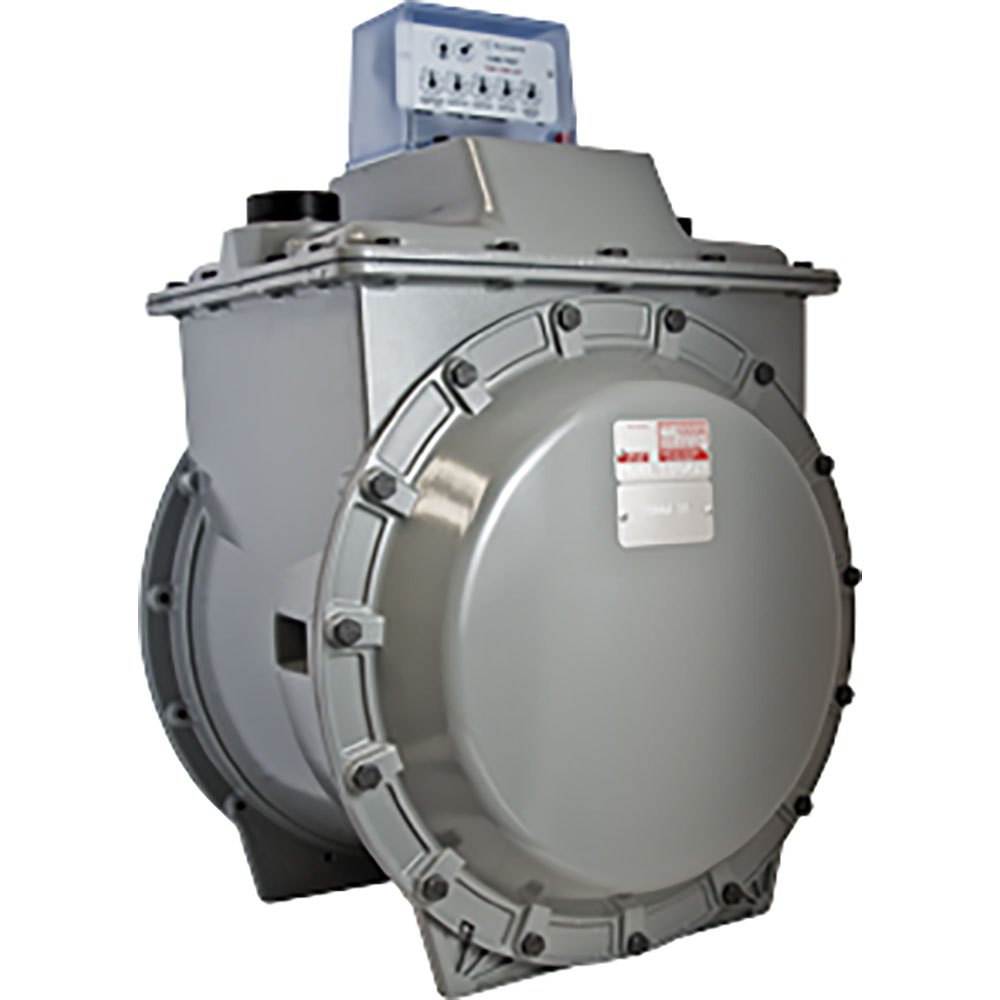
Mixed use gas metering is the process of measuring and allocating gas consumption between different customers or occupancy types supplied by a common LPG reticulation system. A properly engineered arrangement gives retail units, restaurants and residential occupants a transparent method of paying for the gas they actually consume while maintaining safe pressure, reliable supply and auditable records.
A mixed-use development creates a different metering challenge from a single-user commercial property.
Related Products

One bulk LPG storage installation may serve dozens or even hundreds of individual users.
A development could contain apartments, restaurants, supermarkets, offices, cafés, schools, gyms, laundries and other commercial premises.
Their gas demand will not be equal.
A restaurant may consume significantly more LPG than a residential apartment.
A bakery may have a high and relatively continuous thermal load.
A retail shop may use little or no gas.
A residential tenant may have a variable cooking load.
If all these users share one bulk supply without appropriate sub-metering, the property manager can face disputes, inaccurate allocations and difficulty identifying abnormal consumption.
This makes mixed use gas metering an important part of the engineering design rather than something that should be added after the LPG piping has already been installed.
Kenya’s current regulatory framework specifically recognizes LPG reticulation and metered LPG systems. EPRA’s 2025 LPG regulations include LPG sold through metered systems in a reticulated system, while EPRA’s reticulation guidelines address system sizing, meters, pressure management, safety devices, testing, commissioning and maintenance.
The commercial objective is simple:
Every user should be charged according to a clearly defined, technically defensible measurement method.
The engineering objective is broader:
The entire reticulation system must deliver adequate gas at the required pressure while maintaining appropriate safety controls and reliable measurement.
Why Mixed Use Gas Metering Matters
Mixed use gas metering matters because a shared LPG supply creates multiple consumption points with different demand profiles. Individual measurement allows property managers to allocate gas costs more fairly, monitor consumption, identify abnormal usage and maintain better control over the development’s energy infrastructure.
Without individual meters, a property manager may have to divide the bulk LPG bill using:
- Floor area
- Number of occupants
- Number of cooking appliances
- Estimated consumption
- Fixed percentages
- Rental category
- A combination of several factors
These approaches can be useful as temporary allocation mechanisms, but they are not equivalent to direct consumption measurement.
Consider a mixed-use estate with:
- 80 apartments
- 10 restaurants
- 20 retail units
- 5 cafés
- 3 laundries
The gas demand of those customers will vary considerably.
A restaurant operating commercial cooking equipment throughout the day may consume substantially more LPG than an apartment occupied by two people.
If both are charged using the same allocation formula, one group may subsidize another.
That is why mixed use gas metering should normally be considered where individual consumption needs to be commercially accounted for.
The meter does not simply create a billing number.
It creates an auditable relationship between gas delivered through the network and gas consumed by a particular customer.
What Is a Reticulated LPG Gas System?
A reticulated LPG system distributes gas from a centralized storage installation through a designed network of pipes to multiple appliances or customer premises. Instead of each user having an independent cylinder supply, the development receives LPG from common infrastructure and distributes vaporized or regulated gas through the reticulation network.
A typical arrangement may include:
Bulk LPG storage → first-stage pressure regulation → distribution pipework → branch lines → individual regulators/meters → appliances
The precise configuration depends on the installation.
The storage vessel is sized according to the demand profile of connected customers.
EPRA’s LPG reticulation guidance states that reticulated systems should be sized according to estimated peak demand, acceptable pressure drop and projected future demand. It also notes that piping should be sized to meet maximum demand while maintaining the minimum supply pressure required at appliance inlets.
This is important for mixed use gas metering because the meter cannot compensate for an undersized distribution network.
If pressure drops excessively during peak demand, customers may experience poor appliance performance even if the meters themselves are functioning correctly.
Designing the System Around Peak Demand
The LPG network should be sized using the expected peak demand of connected customers rather than simply adding individual appliance ratings together. Diversity, simultaneous demand, future connections and acceptable pressure drop all need to be considered during engineering design.
A mixed-use development may have hundreds of appliances.
However, not every appliance will operate simultaneously.
A professional design therefore assesses:
- Connected load
- Diversity
- Maximum probable demand
- Operating pressure
- Pipe length
- Pipe diameter
- Elevation
- Pressure drop
- Future expansion
- Meter capacity
- Regulator capacity
The result is a distribution system capable of serving the development without excessive pressure loss.
The meter selection then needs to match the expected flow conditions.
This means mixed use gas metering cannot be separated from hydraulic calculations.
The gas meter is one component within a larger engineered system.
Metering Architecture for Mixed-Use Developments
A robust metering architecture separates the bulk supply from individual consumption points using appropriately sized meters and regulators. Each meter should have a defined customer identifier, accessible location, protection from damage and a clear relationship to the billing account.
A simplified architecture can look like this:
Bulk tank
↓
Primary regulation
↓
Main distribution header
↓
Building or zone branches
↓
Secondary regulation
↓
Individual meters
↓
Customer appliance installation
For larger developments, the network may be divided into zones.
For example:
- Residential Block A
- Residential Block B
- Retail Podium
- Restaurant Block
- Food Court
- Hotel Wing
- Service Areas
This makes mixed use gas metering easier to manage because the property manager can compare consumption by building, zone and individual customer.
Zoning can also help identify where abnormal consumption occurs.
Choosing the Correct Gas Meter
The meter should be selected according to expected gas flow, operating pressure, pressure drop, installation environment, measurement requirements and applicable standards. Oversizing or undersizing the meter can reduce measurement performance or create unnecessary cost.
The meter should not be selected solely based on pipe diameter.
Engineering considerations include:
- Maximum flow
- Minimum flow
- Operating pressure
- Maximum permissible pressure
- Pressure drop
- Temperature conditions
- Metering accuracy
- Installation orientation
- Physical protection
- Accessibility
- Maintenance requirements
EPRA’s LPG reticulation guidance states that meters should be protected against impact, adequately supported and positioned away from potential ignition sources. It also specifies that LPG flowmeters used should meet the requirements of the applicable KS 2968:2023 standard.
For this reason, mixed use gas metering should use equipment selected against the actual operating conditions rather than generic domestic or commercial assumptions.
Residential Versus Commercial Metering Loads
Residential and commercial customers should not automatically receive identical meter specifications. Their flow profiles can differ substantially, and meter sizing should reflect the actual appliances, expected consumption and operating pressure associated with each customer category.
A residential unit may have:
- Cooker
- Oven
- Water heater
- Small boiler or other gas appliance
A restaurant may have:
- Multiple cookers
- Grills
- Fryers
- Ovens
- Bain-marie equipment
- Water heating
- Specialized cooking equipment
A bakery may have:
- Deck ovens
- Rotary ovens
- Steam systems
- Burners
- Process heating equipment
Consequently, a commercial restaurant meter may need considerably greater flow capacity than a residential meter.
The same principle applies to regulators and branch pipework.
A properly designed mixed use gas metering network accommodates these differences.
Commercial Restaurants Need Special Attention
Restaurants can be among the highest LPG consumers in a mixed-use development because commercial kitchens often operate multiple high-demand appliances simultaneously. Their branch piping, regulators and meters should therefore be sized for the actual peak kitchen load rather than treated as ordinary retail connections.
Restaurant consumption can also vary by operating hours.
A restaurant may consume heavily during:
- Breakfast
- Lunch
- Dinner
- Events
- Weekends
- Holidays
The development’s bulk LPG system therefore needs sufficient capacity to handle coincident demand from several restaurants.
This is where demand diversity becomes important.
For example, ten restaurants may each have a theoretical maximum demand of 20 units of flow.
The total connected load would be 200 units.
But the engineering peak may be lower if simultaneous maximum operation is unlikely.
The design must nevertheless be professionally calculated.
Residential Billing Should Remain Transparent
Residential users should be billed using a clear measurement and allocation method that residents can understand. The billing system should identify the meter, opening reading, closing reading, consumption and applicable rate or allocation components.
A residential customer should be able to determine how the final amount was calculated.
A basic billing record can contain:
| Billing Item | Example |
|---|---|
| Customer | Apartment A-204 |
| Meter ID | LPG-204 |
| Opening reading | Previous recorded value |
| Closing reading | Current recorded value |
| Consumption | Difference between readings |
| Unit rate | Contractual rate |
| Gas charge | Consumption × rate |
| Other charges | Clearly identified |
| Total | Amount payable |
The actual billing methodology should reflect the commercial agreement and applicable metering requirements.
Transparency is particularly important in developments where gas charges are collected by a property manager or facilities-management company.
Commercial Gas Billing in Mixed-Use Estates
Commercial gas billing should distinguish between measured consumption and shared system costs. Gas consumption can be charged using individual meter readings, while clearly defined common costs may be allocated separately if the contract permits.
For example, the development may incur costs associated with:
- Bulk storage
- Metering infrastructure
- Maintenance
- Emergency response
- Administrative billing
- Common pipework
- Regulatory compliance
These costs should not be hidden inside an unexplained gas rate.
A property manager should define the commercial model before tenants occupy the property.
This is especially important for estate gas billing Kenya because disputes often arise when tenants cannot understand how their bill relates to actual consumption.
A written billing policy should explain:
- Meter reading method
- Billing period
- Gas unit
- Tariff basis
- Common charges
- Meter service charges
- Estimated reading procedure
- Dispute process
- Meter testing process
- Correction procedure
How Meter Readings Should Be Reconciled
A mixed-use gas network should reconcile individual meter readings against the bulk supply as part of routine management. The purpose is not to expect exact equality at every moment, but to identify unexplained differences, leakage, timing differences, meter errors or accounting problems.
A simplified reconciliation is:
Bulk gas consumed − Sum of customer-metered consumption = System difference
The result needs interpretation.
A difference can arise from:
- Reading dates not matching
- Measurement differences
- Meter accuracy
- Temperature or pressure effects
- Unmetered common loads
- Leakage
- Data-entry errors
- Meter malfunction
The reconciliation should therefore be reviewed as a trend rather than treated as a single isolated number.
If the difference suddenly increases, investigation should begin.
Detecting Abnormal Consumption
Meter data can become an operational safety and maintenance tool when consumption is monitored over time. Sudden increases, unusual overnight consumption or unexpected changes in a customer’s normal profile can indicate equipment problems, operational changes or potential leakage.
For example, a restaurant normally consumes a predictable amount of LPG each week.
If consumption suddenly doubles while operating hours remain unchanged, the property manager should investigate.
Potential causes could include:
- New equipment
- Longer operating hours
- Faulty appliance
- Incorrect meter
- Unauthorized connection
- Leakage
- Billing error
A meter therefore provides more than a billing function.
It creates a monitoring point.
Where gas detection is required, dedicated industrial LPG leak detection technologies can complement consumption monitoring.
Meter Location and Physical Protection
Gas meters should be installed where they are accessible for reading and maintenance while being protected against impact, unauthorized interference and unsuitable environmental conditions. Their location should also comply with the engineering and safety requirements applicable to the LPG installation.
EPRA’s reticulation guidance states that meters should be protected against physical damage and adequately supported. It also addresses separation from potential ignition sources and positioning near final-stage regulators.
This has practical implications in mixed-use developments.
A meter should not be:
- Hidden behind permanent structures
- Exposed to vehicle impact
- Installed where access is unsafe
- Difficult to identify
- Located in an unsuitable enclosed area
- Installed without adequate support
A standardized meter cabinet or protected metering area can improve maintenance and management.
Meter Identification and Asset Management
Every customer meter should have a unique identification number linked to the corresponding unit, tenant or account. Proper identification prevents billing errors and makes inspection, maintenance and replacement easier.
A meter register can include:
| Field | Information |
|---|---|
| Meter ID | Unique identifier |
| Customer | Tenant/unit |
| Building | Block or zone |
| Meter type | Equipment description |
| Capacity | Rated flow |
| Installation date | Date installed |
| Initial reading | Commissioning reading |
| Current status | Active/inactive |
| Last inspection | Date |
| Calibration/service | Record |
| Replacement history | If applicable |
For a large estate, this database becomes an important operational asset.
It also supports mixed use gas metering because the property manager can connect physical meters with billing records.
Meter Accuracy and Verification
Meter accuracy should be managed through appropriate selection, installation, inspection and verification procedures. Where a customer disputes consumption, the system should provide a documented process for investigating the meter, installation and billing records.
A dispute should not immediately become a commercial argument.
The technical investigation should establish:
- Correct meter identification
- Correct opening reading
- Correct closing reading
- Correct unit conversion
- Correct tariff application
- Meter condition
- Installation condition
- Possible leakage
- Historical consumption
- Independent verification where necessary
For metered LPG systems, applicable standards and regulatory requirements should be checked for the specific meter type and application.
KEBS maintains the national standards framework, and its standards catalogue identifies relevant LPG metering standards, including KS 2968:2023 for LPG dispensing meters from cylinders.
The exact standard applicable to a particular reticulated metering arrangement should be confirmed during engineering and compliance review.
Mixed Use Gas Metering and Pressure Management
Metering cannot be separated from pressure management because the meter must operate within its specified pressure range while downstream appliances receive the pressure required for safe and effective operation. Poor pressure control can affect both appliance performance and measurement reliability.
A typical system may incorporate multiple stages of pressure regulation.
The exact configuration depends on:
- Tank pressure
- Distribution pressure
- Building requirements
- Appliance pressure
- Pipe length
- Flow rate
- Meter characteristics
EPRA’s reticulation guidance emphasizes pressure regulation and sizing the system to maintain required appliance inlet pressure while controlling pressure drop.
This is why a metering problem can sometimes actually be a regulator or pipe-sizing problem.
Common Versus Individual Gas Consumption
A mixed-use development should clearly distinguish individually metered consumption from gas used by shared facilities. If a common kitchen, central hot-water plant or other shared appliance is connected to the network, its consumption should be measured or allocated using a documented methodology.
Common gas loads could include:
- Central hot-water systems
- Shared laundry facilities
- Staff kitchens
- Security facilities
- Maintenance workshops
- Central catering facilities
If these loads are not separately metered, the cost may need to be distributed among users.
That allocation should be documented.
Otherwise, residents or commercial tenants may question why their individual consumption does not reconcile with the overall estate bill.
Avoiding Cross-Subsidization
The purpose of mixed use gas metering is to reduce unfair cross-subsidization between users with different consumption patterns. Direct measurement is generally more transparent than allocating a bulk gas bill purely according to rent, floor area or occupancy.
Consider three users:
Apartment: Low gas demand
Restaurant: High gas demand
Retail shop: Minimal gas demand
If the bulk bill is divided equally, the apartment and retail customer effectively contribute toward the restaurant’s higher consumption.
Individual metering changes that relationship.
Each customer pays according to measured consumption, while legitimate shared infrastructure costs can be handled separately.
This creates a more defensible estate gas billing Kenya model.
Mixed Use Gas Metering and Future Expansion
The initial metering design should anticipate future units, changes in occupancy and additional gas appliances. Designing only for today’s demand can create expensive retrofit work when a development expands.
A property developer should consider:
- Future apartment blocks
- Additional restaurants
- Retail expansion
- Hotel conversion
- New commercial kitchens
- Central hot-water systems
- Increased occupancy
EPRA’s reticulation guidance specifically calls for projected future demand to be considered during system sizing.
This principle should extend to metering infrastructure.
The main network may need spare capacity.
Metering cabinets may require additional positions.
Branches may need expansion points.
Control systems may need future integration.
Good planning reduces disruption later.
Installation, Testing and Commissioning
A reticulated LPG system should be professionally installed and subjected to appropriate testing before gas is introduced into service. Testing should verify the integrity of pipework, equipment, regulators, safety devices and connections, while commissioning confirms that the system operates as designed.
The installation process can include:
Engineering survey
↓
Load calculation
↓
Storage and network sizing
↓
Meter selection
↓
Pipework design
↓
Safety-system design
↓
Installation
↓
Pressure testing
↓
Leak testing
↓
Meter verification
↓
Commissioning
↓
Operator training
↓
Documentation
EPRA’s reticulation guidance references testing and commissioning requirements and points to NFPA 54 for relevant reticulated gas-system practices.
The exact testing protocol should be established by the responsible competent engineering professionals for the system.
Mixed Use Gas Metering Commissioning Checklist
Before a mixed-use LPG system is handed over, every meter and customer connection should be positively identified and tested. The commissioning process should verify pressure, leak integrity, meter installation, emergency controls, documentation and customer allocation records.
| Item | Commissioning Requirement |
|---|---|
| Bulk storage | Confirm installation and documentation |
| Main regulator | Verify operation |
| Distribution network | Test as specified |
| Branch pipework | Verify integrity |
| Individual meters | Confirm installation |
| Meter IDs | Match customer register |
| Meter readings | Record initial readings |
| Regulators | Verify settings |
| Leak detection | Test where installed |
| Emergency shutdown | Verify operation |
| Isolation valves | Test accessibility |
| Appliance connections | Verify |
| Labelling | Complete |
| Customer register | Complete |
| Billing system | Configure |
| Handover documents | Archive |
| Operator training | Complete |
The initial meter readings should be recorded before customer billing begins.
Safety Devices in Reticulated LPG Systems
A mixed-use LPG installation should incorporate appropriate safety devices based on the system design and risk assessment. These may include excess-flow protection, emergency shutdown, leak detection and other engineered safeguards required for the installation.
EPRA’s reticulation guidelines identify excess-flow valves, emergency shutdown devices and leak-detection systems among the safety devices considered for LPG reticulated systems.
The purpose is to control the consequences of abnormal conditions.
For example, uncontrolled gas release can present a significant hazard.
An engineered emergency shutdown arrangement can help isolate the supply when specified detection or emergency conditions occur.
The precise configuration should be determined during design.
Regulatory Compliance in Kenya
Mixed-use LPG reticulation must be designed and operated within the applicable Kenyan petroleum, safety, standards and building requirements. EPRA’s LPG reticulation guidance applies to planning, design, construction, commissioning, operation and maintenance of LPG reticulation systems.
EPRA’s 2025 LPG regulations recognize LPG reticulation systems and require relevant licensing for LPG businesses. The regulations also require licensees operating LPG reticulation or smart-meter systems to maintain specified final-consumer records, including consumer details, complaints and quantities consumed.
This makes consumption records particularly relevant to mixed use gas metering.
A properly managed system should therefore maintain:
- Customer records
- Meter records
- Consumption records
- Complaint records
- Maintenance records
- Inspection records
- Commissioning records
- Relevant licensing documentation
EPRA also maintains petroleum licensing and register information for LPG-related activities.
Regulatory requirements should always be verified against the current applicable regulations and the specific installation.
The Role of KEBS Standards
KEBS standards provide an important technical reference for equipment and products used in Kenya. LPG meters, pressure equipment, piping components and other system elements should be selected and verified against the standards applicable to their specific use.
A meter should not be selected simply because it is available commercially.
The engineering team should establish:
- Applicable standard
- Meter type
- Pressure rating
- Flow range
- Certification
- Installation requirements
- Verification requirements
KEBS maintains its catalogue and gazetted standards, including current and historical standards notices.
For an estate developer, standards compliance should form part of the technical procurement specification.
Data and Digital Metering
Digital metering can improve mixed-use gas management by allowing more frequent consumption data collection, automated billing and abnormal-consumption monitoring. However, digital technology does not replace correct meter sizing, installation, verification or regulatory compliance.
Advanced systems may provide:
- Remote readings
- Consumption history
- Alerts
- Prepayment functionality
- Automated billing
- Low-consumption alerts
- Tamper detection
- Central dashboards
For large developments, these capabilities can reduce manual meter-reading work.
However, the data architecture should remain linked to physical meter identification.
A digital reading is only useful if the system knows exactly which customer and physical meter produced it.
Manual Versus Automated Meter Reading
Manual meter reading can work effectively for smaller developments when meters are accessible and reading procedures are controlled. Automated reading becomes increasingly valuable as the number of customers increases or when the property manager requires more frequent consumption data.
| Factor | Manual Reading | Automated Reading |
|---|---|---|
| Initial investment | Lower | Higher |
| Labour requirement | Higher | Lower |
| Reading frequency | Limited | Potentially frequent |
| Remote monitoring | No | Possible |
| Data availability | Periodic | More continuous |
| Billing automation | Limited | Stronger |
| Tamper alerts | Limited | Possible |
| Large estate suitability | Moderate | High |
| Technical complexity | Lower | Higher |
The appropriate option depends on the estate’s size, budget and operational requirements.
Handling Estimated Meter Readings
Estimated readings should be treated as an exception rather than a normal substitute for actual consumption data. When a meter cannot be accessed or read, the estimation method should be documented and corrected once an actual reading becomes available.
Reasons for estimated readings may include:
- Locked meter cabinet
- Meter failure
- Access restrictions
- Communication failure
- Maintenance
- Damaged display
The billing system should identify estimated readings.
When an actual reading is obtained, the account should be reconciled.
This protects both the property manager and the customer.
Handling Meter Disputes
A gas billing dispute should be investigated using physical meter readings, customer records, consumption history and technical verification rather than resolved through arbitrary adjustments. A transparent dispute procedure protects customer confidence in the metering system.
A dispute procedure can include:
Customer complaint → meter-record review → reading verification → historical comparison → technical inspection → independent verification where necessary → billing correction if justified.
The customer should receive an explanation of the outcome.
For large estates, this procedure should form part of the property-management policy.
Common Mistakes in Mixed-Use Gas Metering
Poor metering design usually results from treating the gas meter as a standalone billing device rather than as part of an engineered LPG distribution system. Common errors include incorrect meter sizing, poor identification, inaccessible installations and inadequate consumption reconciliation.
Common mistakes include:
- Using identical meters for every customer
- Ignoring peak demand
- Failing to account for future expansion
- Installing meters where they can be damaged
- Poor meter identification
- No baseline readings
- Mixing common and individual consumption
- No reconciliation against bulk consumption
- Unclear billing formulas
- Weak maintenance records
- Ignoring pressure-drop calculations
- Failing to investigate abnormal consumption
Avoiding these errors improves both commercial fairness and operational reliability.
Designing a Fair Estate Gas Billing Model
A fair estate gas billing model should clearly separate measured consumption from legitimate shared charges and explain the calculation to every customer. The model should be documented before the system becomes operational and should provide a process for handling meter disputes and corrections.
A practical billing formula could be structured as:
Customer Bill = Measured Consumption × Applicable Gas Rate + Clearly Defined Service/Common Charges
The precise tariff structure will depend on the commercial arrangement.
What matters is transparency.
Customers should know:
- What unit is being billed
- How consumption is measured
- What rate applies
- Which additional charges exist
- How meter readings are obtained
- How disputes are handled
This is the foundation of effective mixed use gas metering.
Mixed Use Gas Metering for Nairobi and Other Kenyan Cities
Mixed use gas metering is increasingly relevant to developments combining residential, retail and hospitality uses in Nairobi and other growing Kenyan urban centres. The same engineering principles apply in Mombasa, Kisumu, Nakuru, Eldoret, Thika, Machakos and other locations, although site conditions and development layouts vary.
Nairobi developments may involve:
- High-density apartments
- Retail podiums
- Restaurants
- Hotels
- Office spaces
Mombasa developments may combine:
- Residential units
- Hotels
- Restaurants
- Retail
- Hospitality facilities
Other urban developments may combine residential and commercial uses within a single master-planned property.
The engineering design must respond to the actual customer mix.
Mixed Use Gas Metering Across East Africa
The same core engineering principles can be applied to mixed-use gas distribution projects across East Africa, but regulatory requirements, applicable standards and licensing conditions must be verified separately in each jurisdiction.
A development in Uganda, Tanzania or Rwanda should not simply copy a Kenyan compliance package.
The engineering principles may be similar, but:
- Licensing
- Standards
- Meter requirements
- Fire regulations
- Petroleum regulation
- Inspection procedures
can differ.
For regional projects, the engineering team should establish the local regulatory framework before finalizing the design.
Working With an LPG Engineering Specialist
A mixed-use LPG network should be designed by competent professionals because storage, pressure regulation, pipe sizing, metering, safety devices and commissioning all interact. The engineering team should coordinate technical design with the commercial billing requirements from the beginning.
A specialist can assist with:
- Site surveys
- Load calculations
- LPG storage sizing
- Reticulation design
- Pipe sizing
- Meter selection
- Pressure regulation
- Safety systems
- Testing
- Commissioning
- Maintenance planning
For developers requiring a complete engineering assessment, customized LPG engineering solutions can be developed around the site’s actual load and operating requirements.
Megtraco’s industrial LPG equipment range can also be evaluated as part of a complete project specification.
FAQ: Mixed Use Gas Metering
What is mixed use gas metering?
Mixed use gas metering measures LPG consumption separately for different customers or occupancy types sharing a centralized reticulated gas supply. It allows residential, retail, restaurant and other users to be billed according to their measured consumption rather than an arbitrary shared allocation.
How does mixed use gas metering work?
Mixed use gas metering normally uses a centralized LPG storage and distribution system with individual meters installed at customer branches. Each customer’s consumption is recorded and used as the basis for billing according to the property’s commercial arrangement.
Why is mixed use gas metering important in an estate?
Mixed use gas metering reduces disputes by separating consumption between customers with different LPG demand profiles. It also allows property managers to monitor usage, identify abnormal consumption and reconcile customer consumption against bulk LPG deliveries.
Can apartments and restaurants share one LPG tank?
Yes, a properly engineered reticulated LPG system can serve different customer categories from centralized storage where the installation is designed, licensed and operated in accordance with applicable requirements. The network must be correctly sized for peak demand and the different load profiles.
How are restaurants charged differently from apartments?
Restaurants can be connected to appropriately sized individual meters and billed according to their measured consumption. Apartments can have smaller meters selected for their own demand profile. The billing methodology should clearly distinguish individual consumption from any shared system charges.
What happens if one customer consumes much more gas than everyone else?
Individual metering allows that customer to be charged according to measured consumption rather than having the additional gas cost distributed equally across all users. Abnormally high consumption should also be investigated to determine whether it results from legitimate usage, equipment changes, meter issues or leakage.
Should a mixed-use estate use smart meters?
Smart meters can be valuable for large developments because they can automate readings, provide consumption histories and support faster billing. However, the system must still use appropriately selected and compliant meters and maintain reliable customer-to-meter identification.
How often should LPG meters be inspected?
The inspection and verification frequency should follow the applicable requirements, equipment manufacturer’s instructions, system risk assessment and the responsible engineer’s maintenance programme. Metering should also be investigated whenever abnormal readings or customer disputes arise.
What should be included in estate gas billing?
Estate gas billing should identify the customer, meter, opening and closing readings, measured consumption, applicable rate and any clearly defined additional charges. Estimated readings and adjustments should be identified and supported by records.
Can a property manager charge a common gas fee?
A property manager may structure commercial or service charges where permitted by the relevant agreements, but shared charges should be clearly defined and separated from measured gas consumption. Customers should understand exactly what each charge represents.
How can gas consumption be reconciled?
Gas consumption can be reconciled by comparing bulk LPG supplied with the aggregate consumption recorded by individual meters over comparable periods. Differences should be investigated for timing, measurement, common loads, leakage, meter faults and data errors.
What standards apply to LPG meters in Kenya?
The applicable standard depends on the type and application of the meter. EPRA’s reticulation guidance references KS 2968:2023 for LPG flowmeters used in reticulated systems, while the exact compliance requirements should be confirmed for the specific installation and equipment.
Who should design a reticulated LPG system?
A reticulated LPG system should be designed and installed by appropriately qualified and licensed professionals in accordance with applicable Kenyan requirements. EPRA’s installer guidelines cover planning, designing, construction, commissioning, operation and maintenance of LPG storage and reticulation systems.
Engineering Conclusion
Mixed use gas metering provides the technical foundation for fair and auditable LPG billing where residential, retail, restaurant and other customers share centralized gas infrastructure. The strongest systems combine accurate meters with proper pipe sizing, pressure regulation, safety controls, customer records and transparent billing procedures.
The meter is only one part of the system.
The development needs an engineered LPG supply network capable of meeting peak demand.
It needs appropriately sized regulators.
It needs correctly selected meters.
It needs safe pipe routing.
It needs emergency isolation.
It may require leak detection and other safety devices.
It needs proper commissioning.
And it needs a billing framework that customers can understand.
For property developers, facilities managers and estate operators, mixed use gas metering should therefore be considered during the earliest stages of development planning.
Retrofitting meters after occupation can be significantly more disruptive than designing the metering architecture into the original LPG network.
The system should also anticipate future development.
New restaurants, additional apartments, retail expansion and changes in occupancy can all affect gas demand.
EPRA’s guidance specifically requires peak demand and projected future demand to be considered when sizing LPG reticulation systems.
A good metering strategy also improves operational visibility.
Property managers can identify high-consumption customers.
They can monitor changes over time.
They can investigate unexplained differences.
They can reconcile bulk deliveries with customer consumption.
They can maintain better records.
Most importantly, they can replace arguments about estimated consumption with documented measurements.
For Kenyan mixed-use developments, regulatory compliance must remain part of the engineering process. EPRA’s current LPG regulatory framework recognizes reticulated LPG systems and includes requirements around licensing and consumer consumption records.
The exact requirements should always be verified against the current regulations, applicable standards and the specific installation.
For developers planning a new estate, hotel, commercial complex or mixed-use property, the right approach is to establish the load profile first, design the reticulation network second, select the metering architecture third and finalize the billing model around the actual technical configuration.
That approach produces a system that is easier to operate, easier to audit and easier for customers to understand.
Megtraco Kenya Ltd can support developers and facility operators with LPG system design, equipment selection, reticulation and safety engineering. For project-specific requirements, request a professional engineering consultation before procurement and installation.
Your Trusted LPG & Fire Safety Engineering Partner in East Africa
Whether you’re designing a new LPG installation, upgrading industrial gas systems, or enhancing fire safety compliance, Megtraco Kenya Ltd delivers certified engineering solutions backed by decades of expertise. From LPG equipment supply and pipeline installations to fire suppression and detection systems, our experienced team provides reliable solutions for commercial, industrial, and institutional projects across East Africa.
Contact us today for professional consultation, engineering support, or a customized quotation.
WHY CHOOSE MEGTRACO KENYA LTD
You May Also Like


- ✔ Established Since 1969 – Decades of proven engineering excellence.
- ✔ KEBS Certified Products – Guaranteed quality and compliance with regional standards.
- ✔ EPRA Licensed LPG Engineering Company – Fully certified to design, install, and commission.
- ✔ Industrial & Commercial LPG Specialists – Scaled to handle heavy-duty thermal requirements.
- ✔ Fire Suppression & Fire Detection Experts – End-to-end asset protection.
- ✔ Regional Operational Footprint – Serving Nairobi, Mombasa, Kisumu, Nakuru, Eldoret, Thika, Machakos, East Africa, and beyond.
Contact Megtraco Kenya Ltd
- Email: sales@megtracokenya.com
- Sales: +254 725 870 114
- Technical: +254 733 721 598
- WhatsApp: +254 799 086 323
- Location: Nairobi, Kenya – Serving East Africa
- Website: https://megtracokenya.com
Request a Quote today and partner with East Africa’s trusted LPG and fire safety engineering company since 1969.
