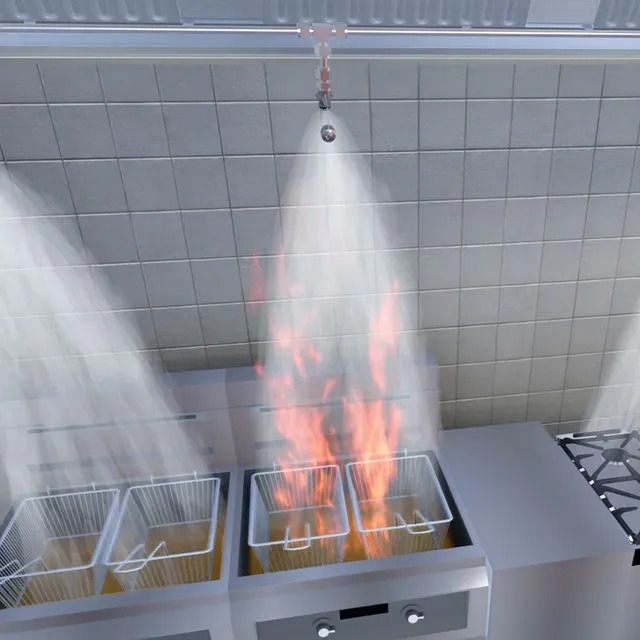
Kitchen fire suppression Kenya systems are essential for commercial kitchens where cooking oils, grease, open flames, hot surfaces and extraction hoods create a concentrated fire risk. Dedicated hood and wet chemical systems are designed to detect and suppress cooking-related fires while protecting cooking appliances, exhaust hoods and connected ductwork.
A commercial kitchen is not protected adequately by relying only on portable fire extinguishers or a general building sprinkler system. Cooking operations create specialized hazards that require specialized protection.
Related Products
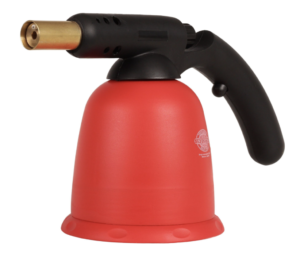
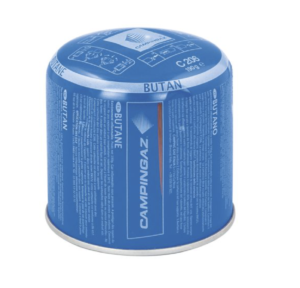
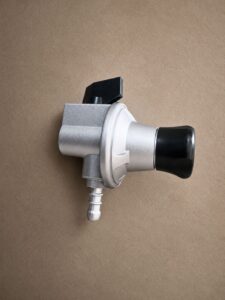
This makes kitchen fire suppression Kenya an important consideration for restaurants, hotels, hospitals, schools, universities, food-processing facilities, catering businesses and institutional kitchens.
A properly engineered kitchen fire suppression Kenya system integrates detection, automatic agent discharge, manual activation, fuel or power shutdown and appropriate alarm functions.
What Is Kitchen Fire Suppression Kenya?
Kitchen fire suppression Kenya refers to engineered fire-protection systems designed specifically for commercial cooking hazards. These systems commonly use wet chemical agents discharged through strategically positioned nozzles to suppress fires involving cooking oils, fats, grease, appliances, hoods and exhaust ducts.
Unlike a general-purpose fire extinguisher, a commercial kitchen fire suppression Kenya system is permanently installed and connected to the cooking equipment.
The system typically includes:
- Wet chemical storage cylinder
- Detection mechanism
- Fusible links or approved detection devices
- Agent distribution pipework
- Discharge nozzles
- Manual pull station
- Control mechanism
- Appliance shutdown
- Fuel-gas or electrical isolation
- Alarm interface
- System status indicators
The system must be designed around the actual cooking line.
This is why kitchen fire suppression Kenya should begin with a professional survey rather than simply purchasing a cylinder and nozzle package.
Why Commercial Kitchens Need Dedicated Fire Suppression
Commercial kitchens have concentrated fire loads created by cooking oils, fats, grease deposits, open flames and high-temperature appliances. Dedicated kitchen suppression provides rapid local protection and can automatically shut down fuel or electrical supplies when a fire is detected.
Cooking equipment can include:
- Deep fryers
- Grills
- Charbroilers
- Ranges
- Gas burners
- Ovens
- Woks
- Tilting pans
- Cooking kettles
- Extraction hoods
The extraction system introduces another concern.
Grease vapours can enter the hood and exhaust ductwork during normal operation. Deposits can accumulate over time, creating combustible surfaces inside parts of the ventilation system.
Therefore, kitchen fire suppression Kenya must protect more than the visible cooking appliances.
A properly designed system considers:
- Cooking appliances
- Hood
- Plenum
- Exhaust filters
- Duct connection
- Grease-producing equipment
- Fuel supply
- Electrical supply
- Kitchen occupancy
- Emergency response
How Wet Chemical Kitchen Fire Suppression Works
Wet chemical systems suppress commercial cooking fires by discharging a specially formulated extinguishing agent over the cooking appliances and associated hood areas. The agent rapidly reacts with hot cooking oils and helps create a stable surface layer that limits re-ignition.
This mechanism is particularly important for cooking-oil fires.
A typical sequence can be:
Fire detection → system activation → alarm → wet chemical discharge → fuel/electrical shutdown → fire suppression → emergency response
The exact sequence depends on the system design and manufacturer.
A professional kitchen fire suppression Kenya installation should ensure that all components operate together.
Wet Chemical Agent
Wet chemical agents are formulated specifically for cooking-oil and grease hazards. Their operation differs from ordinary dry chemical extinguishing agents because they are designed to address the high-temperature characteristics of cooking oils and help prevent re-ignition after initial suppression.
This makes the wet chemical system particularly useful for:
- Deep-fat fryers
- Cooking ranges
- Grills
- Woks
- Charbroilers
- Other commercial cooking equipment
The agent quantity must be calculated according to the approved system design.
Kitchen Hood Fire Suppression
Kitchen hood suppression protects the cooking appliances and the hood or plenum where grease-laden vapours can accumulate. Nozzles are positioned to provide coverage over the identified appliances and relevant exhaust areas according to the manufacturer’s approved design.
A kitchen fire suppression Kenya system should therefore be designed around the actual hood arrangement.
Important design information includes:
- Hood length
- Hood width
- Number of appliances
- Appliance type
- Fryer dimensions
- Burner arrangement
- Exhaust configuration
- Plenum dimensions
- Duct arrangement
- Fuel type
Changing the cooking line after installation can affect system coverage.
For example, replacing a small fryer with a larger fryer may require nozzle relocation or system redesign.
Hood and Duct Protection
Hood and duct protection is important because grease deposits can create a concealed fire path above the cooking appliances. A properly designed kitchen suppression system should account for the hood, plenum and relevant exhaust areas according to the approved system design.
The exhaust system should also be cleaned regularly.
Suppression cannot compensate for heavy grease accumulation caused by poor housekeeping.
This is a critical part of kitchen fire suppression Kenya because fire protection and kitchen hygiene must operate together.
Automatic Detection
Automatic detection allows the suppression system to respond to excessive heat without requiring a person to recognize the fire and manually activate the system. Detection may use approved fusible links, linear detection systems or other listed arrangements depending on the suppression technology.
Detection is normally positioned near the protected cooking equipment.
The system should be capable of initiating the appropriate suppression sequence when the specified activation condition is reached.
The detection arrangement should be reviewed whenever:
- Appliances are moved
- New equipment is installed
- Hood configuration changes
- Cooking processes change
- The ventilation system is modified
For this reason, kitchen fire suppression Kenya systems should be included in renovation planning.
Manual Activation
A manual activation station provides kitchen personnel with a means of initiating the suppression system when they identify a fire before automatic detection operates. It should be readily accessible and positioned according to the approved system design and applicable safety requirements.
The manual release point should be:
- Clearly identified
- Accessible
- Protected from accidental damage
- Located where personnel can reach it during an emergency
Staff should be trained on its purpose.
Manual activation should not replace automatic detection.
Both functions form part of a complete kitchen fire suppression Kenya strategy.
Fuel and Electrical Shutdown
A commercial kitchen suppression system should normally be integrated with the cooking energy supply so that fuel or electrical power is isolated when the system activates. Shutdown helps remove the energy source that could otherwise continue feeding the fire.
Depending on the installation, this may involve:
- LPG supply isolation
- Natural-gas isolation
- Electrical appliance shutdown
- Cooking-line shutdown
- Interconnection with the building alarm
The shutdown method must be designed for the specific equipment.
For LPG installations, the gas isolation arrangement should be engineered by competent personnel and coordinated with the wider gas installation.
This is one reason kitchen fire suppression Kenya should be integrated with the kitchen’s gas and electrical design from the beginning.
Kitchen Fire Suppression Kenya for Restaurants
Restaurants face significant cooking-fire risks because they often operate multiple cooking appliances simultaneously for long periods. A dedicated suppression system can protect the cooking line while providing automatic detection, agent discharge and energy-source shutdown.
Restaurant kitchens may contain:
- Fryers
- Gas ranges
- Grills
- Ovens
- Charbroilers
- Woks
- Exhaust hoods
A kitchen fire suppression Kenya assessment for a restaurant should consider peak cooking activity rather than an empty kitchen.
Restaurants should also maintain:
- Hood cleaning
- Filter cleaning
- Appliance inspection
- Gas-system inspection
- Electrical inspection
- Staff training
- Emergency procedures
Kitchen Fire Suppression Kenya for Hotels
Hotels often operate large commercial kitchens with multiple cooking lines, high occupancy and extended operating hours. Kitchen fire suppression Kenya systems should therefore be integrated with the hotel’s wider fire alarm, emergency response and building-management arrangements where appropriate.
Hotel kitchens may support:
- Restaurants
- Banqueting
- Room service
- Staff cafeterias
- Bakery operations
- Catering facilities
The suppression system should be assessed separately for each cooking line where necessary.
A large hotel may therefore require multiple kitchen fire suppression Kenya zones rather than one system protecting the entire kitchen.
Kitchen Fire Suppression Kenya for Hospitals
Hospital kitchens require reliable fire protection because cooking facilities operate within a larger life-safety environment containing patients, staff and visitors. Suppression design should therefore consider evacuation, alarm integration, kitchen access and continuity of food-service operations.
Hospital kitchen assessments should consider:
- Cooking appliances
- Gas supplies
- Electrical equipment
- Exhaust systems
- Adjacent corridors
- Staff access
- Emergency procedures
The consequences of a kitchen fire can extend beyond the kitchen itself.
For hospitals, kitchen fire suppression Kenya should therefore be considered part of the institution’s wider fire-risk management programme.
Kitchen Fire Suppression Kenya for Schools and Universities
Institutional kitchens serving schools and universities can create substantial cooking-fire risks, especially where large quantities of food are prepared daily. Kitchen fire suppression Kenya provides a dedicated layer of protection for cooking equipment and exhaust systems.
The assessment should consider:
- Student occupancy
- Staff access
- Cooking schedules
- Appliance configuration
- Gas supply
- Emergency evacuation
- Kitchen ventilation
Staff should receive practical training on:
- Recognizing a kitchen fire
- Activating the system
- Isolating energy supplies
- Evacuating personnel
- Calling emergency services
- Avoiding unsafe re-entry
Kitchen Fire Suppression Kenya for Catering Operations
Large catering operations can have high cooking loads and complex appliance arrangements, making dedicated suppression important. Mobile or temporary cooking arrangements require particular attention because the suppression system must remain correctly matched to the equipment and hood configuration.
A catering facility should assess:
- Cooking equipment
- Hood dimensions
- Fuel supply
- Electrical loads
- Operating temperatures
- Cleaning schedules
- Suppression coverage
Any major equipment change should trigger a review of the kitchen fire suppression Kenya design.
Kitchen Fire Suppression System Components
A commercial kitchen suppression system combines detection, agent storage, distribution, discharge and shutdown components. Each component has a specific function, and system reliability depends on correct integration rather than the performance of one component in isolation.
| Component | Primary Function |
|---|---|
| Agent cylinder | Stores wet chemical agent |
| Detection device | Detects fire/heat condition |
| Detection circuit | Transfers activation condition |
| Distribution pipe | Carries extinguishing agent |
| Nozzles | Distribute agent |
| Manual release | Allows manual activation |
| Control mechanism | Coordinates system operation |
| Gas shutoff | Isolates fuel where applicable |
| Electrical interface | Disconnects selected equipment |
| Alarm interface | Provides emergency notification |
| Signage | Communicates system status and procedures |
A complete kitchen fire suppression Kenya installation should be evaluated as one integrated system.
Kitchen Fire Suppression Kenya Technical Design
Technical design must account for the cooking appliances, hood geometry, agent quantity, nozzle coverage, detection arrangement and shutdown requirements. The design should use the approved system manufacturer’s listed components and design methodology rather than mixing incompatible components.
Engineering information may include:
- Hood dimensions
- Appliance dimensions
- Agent cylinder capacity
- Number of nozzles
- Nozzle type
- Pipe lengths
- Detection arrangement
- Fuel-shutdown requirements
- Electrical interfaces
- Manual release location
The system should be designed according to the applicable listing and manufacturer’s requirements.
Nozzle Positioning
Nozzle positioning determines whether the extinguishing agent reaches the intended hazard. Nozzles must therefore be installed according to the approved design for each appliance and hood arrangement, with correct orientation, height and coverage.
Incorrect nozzle placement can result from:
- Moving appliances
- Changing hood dimensions
- Adding equipment
- Replacing appliances
- Modifying exhaust systems
This is why a kitchen fire suppression Kenya system should be inspected after significant kitchen alterations.
Kitchen Fire Suppression Kenya and Fire Alarm Integration
Kitchen suppression should be coordinated with the building fire alarm system where required so that activation generates an appropriate alarm and emergency response. Integration can also coordinate equipment shutdown and other programmed safety functions.
Potential interfaces include:
- Fire alarm panel
- Kitchen exhaust controls
- Gas shutoff
- Electrical contactors
- Building management system
- Emergency notification
The exact interface depends on the project.
A suppression system should never be connected to unrelated equipment without proper engineering review.
Installation Process
Installation should follow approved drawings, the manufacturer’s instructions and applicable fire-protection requirements. The installer must ensure that cylinders, detection components, pipework, nozzles, manual releases and shutdown interfaces are installed correctly and remain accessible for inspection.
A typical workflow is:
1. Site Survey
Measure the kitchen and identify every cooking appliance.
2. Hazard Assessment
Identify cooking oils, fuels, electrical equipment and fire paths.
3. System Design
Determine agent quantity, nozzle arrangement and detection.
4. Installation
Install the approved components.
5. Integration
Connect alarm, fuel and electrical interfaces.
6. Testing
Test the system without unnecessarily discharging agent where the approved test procedure permits functional testing.
7. Commissioning
Document results and hand over the system.
8. Training
Train kitchen and facility personnel.
Kitchen Fire Suppression Kenya Commissioning Checklist
Commissioning confirms that the installed kitchen suppression system corresponds to the approved design and that detection, manual activation, alarms, shutdowns and other interfaces operate correctly. Every test should be documented before the system is placed into service.
| Inspection / Test | Status |
| Approved design available | ☐ |
| Kitchen survey completed | ☐ |
| Appliance list verified | ☐ |
| Hood dimensions confirmed | ☐ |
| Agent cylinder inspected | ☐ |
| Detection system tested | ☐ |
| Nozzle locations verified | ☐ |
| Pipework inspected | ☐ |
| Manual release tested | ☐ |
| Alarm interface tested | ☐ |
| Gas shutdown tested | ☐ |
| Electrical shutdown tested | ☐ |
| System signage installed | ☐ |
| Emergency procedures available | ☐ |
| Staff trained | ☐ |
| Maintenance schedule established | ☐ |
| Documentation completed | ☐ |
Inspection and Maintenance
Kitchen fire suppression Kenya systems require routine inspection and maintenance because detection devices, nozzles, cylinders, pipework and shutdown interfaces can be affected by kitchen heat, grease, cleaning activities and equipment modifications.
Maintenance should consider:
- Agent cylinder condition
- Cylinder pressure where applicable
- Detection devices
- Fusible links
- Nozzles
- Nozzle caps
- Pipework
- Manual release
- Fuel shutoff
- Electrical shutdown
- Alarm interface
- System signage
Maintenance intervals should follow the system manufacturer’s requirements and applicable standards.
Hood Cleaning and Fire Safety
A suppression system does not eliminate the need for regular hood and duct cleaning. Grease accumulation can increase the available fuel load and allow fire to travel through the ventilation system, making kitchen cleanliness an important companion to kitchen fire suppression Kenya.
Cleaning should address:
- Filters
- Hood surfaces
- Plenums
- Accessible ductwork
- Grease collection areas
Cleaning frequency depends on cooking volume and the type of operation.
High-volume frying operations generally require more frequent attention than low-grease cooking.
Kitchen Fire Suppression Kenya Compliance
Commercial kitchen suppression systems should be designed, installed, inspected and maintained according to applicable Kenyan fire-safety requirements, recognized technical standards, manufacturer requirements and the specific approval conditions for the facility.
Depending on the project, relevant considerations may include:
- Kenya fire-safety requirements
- Occupational safety requirements
- Building requirements
- Equipment certification
- Manufacturer listings
- Applicable NFPA standards
For systems involving LPG, the wider gas installation should also be assessed against applicable requirements administered by the Energy and Petroleum Regulatory Authority.
NFPA Standards for Commercial Kitchen Protection
NFPA standards provide internationally recognized fire-protection guidance, with NFPA 96 being particularly relevant to ventilation control and fire protection of commercial cooking operations. The applicable edition and local requirements should always be confirmed for the specific project.
Relevant standards may include:
- NFPA 96 — Ventilation Control and Fire Protection of Commercial Cooking Operations
- NFPA 17A — Wet Chemical Extinguishing Systems
- NFPA 72 — Fire Alarm and Signaling Code
- Other applicable fire and building standards
The standard does not replace a project-specific engineering assessment.
Kitchen Fire Suppression Kenya and LPG Safety
Where commercial cooking equipment uses LPG, the suppression system should be coordinated with the LPG installation so that fire detection and suppression can initiate the appropriate fuel-isolation sequence. LPG storage, piping, regulators and appliances require their own engineering and safety controls.
A commercial kitchen LPG installation may include:
- LPG cylinders
- Bulk LPG storage
- Gas manifold
- Regulators
- Gas trains
- Distribution pipework
- Appliance connections
- Emergency shutoff valves
- Gas detection
Megtraco Kenya Ltd also provides LPG engineering solutions for commercial and industrial applications.
For larger LPG installations, the gas infrastructure should be designed independently but coordinated with the fire-protection system.
Common Kitchen Fire Suppression Mistakes
The most common kitchen suppression failures are associated with poor system design, appliance changes, inadequate maintenance, blocked nozzles, incorrect detection arrangements and failure to integrate fuel or electrical shutdown.
1. Protecting Only the Fryer
A kitchen fire can spread into the hood and exhaust system.
2. Moving Appliances Without Reviewing Nozzles
Changing appliance positions can invalidate the original coverage.
3. Blocking Nozzles
Cleaning equipment or kitchen fittings can obstruct discharge.
4. Ignoring Grease Cleaning
Heavy grease accumulation increases the fire load.
5. Failing to Test Shutdown
A suppression system may discharge while the fuel source remains active if the interface has not been properly tested.
6. No Staff Training
Personnel need to understand activation, evacuation and emergency procedures.
7. Using Unapproved Components
Mixing components from incompatible manufacturers can compromise system performance.
Kitchen Fire Suppression Kenya: Wet Chemical vs Portable Extinguishers
Portable extinguishers and fixed wet chemical suppression systems serve different purposes. A suitable kitchen extinguisher can provide first-response protection, while a fixed suppression system is designed to automatically protect the cooking line and associated hood hazards.
| Feature | Fixed Wet Chemical System | Portable Extinguisher |
| Automatic activation | Yes, where designed | No |
| Fixed appliance coverage | Yes | No |
| Hood protection | Yes, where designed | Limited |
| Fuel shutdown integration | Possible | No |
| Manual activation | Yes | User-operated |
| Continuous readiness | Yes, when maintained | Yes, when maintained |
| Staff training | Required | Required |
| Maintenance | Required | Required |
A commercial kitchen should not assume that portable extinguishers make a fixed kitchen fire suppression Kenya system unnecessary.
Selecting a Kitchen Fire Suppression System
The correct kitchen suppression system should be selected according to the appliance configuration, hood dimensions, cooking process, fuel source, occupancy, applicable standards and manufacturer-approved design limits.
Before procurement, establish:
- Number of appliances
- Appliance types
- Appliance dimensions
- Hood dimensions
- Exhaust configuration
- Fuel type
- Electrical loads
- Kitchen operating hours
- Occupancy
- Existing fire alarm system
The system supplier should then develop the appropriate engineering design.
Why Professional Engineering Matters
Professional kitchen fire suppression Kenya installation ensures that the extinguishing system, detection, discharge, alarm and energy isolation functions operate as an integrated safety system. Correct engineering also reduces the risk of inadequate coverage following kitchen modifications.
Megtraco Kenya Ltd can support businesses requiring fire suppression equipment and related fire-protection engineering.
Facilities can also review control panel solutions where integration with detection and building systems is required.
For projects involving gas hazards, industrial gas leak detection can form part of a broader safety strategy.
Frequently Asked Questions
What Is Kitchen Fire Suppression Kenya?
Kitchen fire suppression Kenya refers to dedicated fire-protection systems designed for commercial cooking hazards involving grease, cooking oils, flames, high-temperature surfaces, hoods and exhaust systems. Wet chemical systems are commonly used for suitable commercial cooking applications.
Why Do Commercial Kitchens Need Fire Suppression?
Commercial kitchens have specialized fire hazards created by cooking oils, grease, open flames and hot cooking surfaces. A dedicated suppression system can automatically detect and suppress a fire while initiating appropriate fuel or electrical shutdown.
How Does a Wet Chemical System Work?
A wet chemical system detects excessive heat and discharges a specialized agent over protected cooking equipment. The agent suppresses the cooking fire and helps limit re-ignition, while the system can also initiate fuel or electrical shutdown.
Does Kitchen Fire Suppression Protect the Hood?
A properly designed kitchen suppression system can protect designated hood, plenum and exhaust areas in addition to cooking appliances. Coverage depends on the approved system design and nozzle arrangement.
Does Kitchen Fire Suppression Kenya Protect Deep Fryers?
Yes, wet chemical systems are specifically suited to appropriate commercial cooking hazards such as deep-fat fryers when designed and installed according to the approved system requirements.
How Often Should Kitchen Suppression Systems Be Serviced?
Inspection and servicing should follow the manufacturer’s requirements, applicable standards and site conditions. Commercial kitchens require regular attention because heat, grease, cleaning and equipment changes can affect system components.
Can I Move a Cooker After Installing the System?
Moving or replacing cooking appliances can change the hazard and nozzle coverage. The suppression system should therefore be reviewed by a competent technician before the cooking line is altered.
Does Kitchen Fire Suppression Replace a Fire Extinguisher?
No. Fixed kitchen suppression and portable extinguishers serve different functions. Commercial kitchens should use the appropriate combination of fixed suppression, portable extinguishers, detection, alarms, housekeeping and emergency procedures.
Does Kitchen Fire Suppression Shut Off LPG?
A properly engineered system can be integrated with an LPG shutoff arrangement where applicable. The gas isolation system must be correctly designed, installed and tested as part of the overall kitchen safety system.
How Much Does Kitchen Fire Suppression Kenya Cost?
The cost depends on the number and type of appliances, hood dimensions, suppression technology, cylinder capacity, detection, nozzles, pipework, shutdown interfaces, installation and commissioning. A site survey is needed for an accurate quotation.
Is Wet Chemical Better Than CO2 for a Commercial Kitchen?
Wet chemical systems are specifically designed for suitable commercial cooking hazards, particularly cooking oils and grease. CO2 has different applications and significant personnel-safety considerations, so the two should not be treated as interchangeable kitchen-protection technologies.
Engineering Conclusion
Kitchen fire suppression Kenya systems provide a dedicated layer of protection against commercial cooking fires involving grease, cooking oils, high-temperature appliances and extraction systems. The most effective installations combine wet chemical suppression, automatic detection, manual activation, fuel or electrical shutdown, alarm integration, hood cleaning and regular professional maintenance.
The system should be designed around the actual kitchen.
That means considering:
- Appliance type
- Appliance dimensions
- Hood configuration
- Exhaust system
- Fuel source
- Electrical equipment
- Occupancy
- Detection
- Nozzle positioning
- Agent quantity
- Shutdown interfaces
- Maintenance requirements
A restaurant kitchen, hotel kitchen, hospital kitchen and institutional kitchen may all require different engineering solutions.
For this reason, kitchen fire suppression Kenya should never be approached as a generic equipment purchase.
The system should be surveyed, designed, installed, tested and commissioned by competent professionals using approved components and applicable standards.
Megtraco Kenya Ltd supports commercial and industrial customers with fire-protection equipment and engineering solutions. Businesses planning a new kitchen, upgrading an existing restaurant or reviewing fire-safety compliance can explore commercial fire suppression equipment or request a professional engineering consultation.
Your Trusted LPG & Fire Safety Engineering Partner in East Africa
Whether you’re designing a new LPG installation, upgrading industrial gas systems, or enhancing fire safety compliance, Megtraco Kenya Ltd delivers certified engineering solutions backed by decades of expertise. From LPG equipment supply and pipeline installations to fire suppression and detection systems, our experienced team provides reliable solutions for commercial, industrial, and institutional projects across East Africa.
Contact us today for professional consultation, engineering support, or a customized quotation.
WHY CHOOSE MEGTRACO KENYA LTD
- ✔ Established Since 1969 – Decades of proven engineering excellence.
- ✔ KEBS Certified Products – Guaranteed quality and compliance with regional standards.
- ✔ EPRA Licensed LPG Engineering Company – Fully certified to design, install, and commission.
- ✔ Industrial & Commercial LPG Specialists – Scaled to handle heavy-duty thermal requirements.
- ✔ Fire Suppression & Fire Detection Experts – End-to-end asset protection.
- ✔ Regional Operational Footprint – Serving Nairobi, Mombasa, Kisumu, Nakuru, Eldoret, Thika, Machakos, East Africa, and beyond.
Contact Megtraco Kenya Ltd
- Email: sales@megtracokenya.com
- Sales: +254 725 870 114
- Technical: +254 733 721 598
- WhatsApp: +254 799 086 323
- Location: Nairobi, Kenya – Serving East Africa
- Website: https://megtracokenya.com
Request a Quote today and partner with East Africa’s trusted LPG and fire safety engineering company since 1969.
