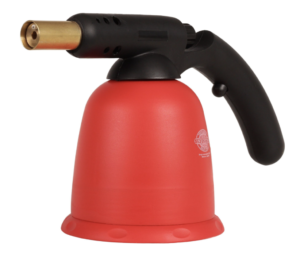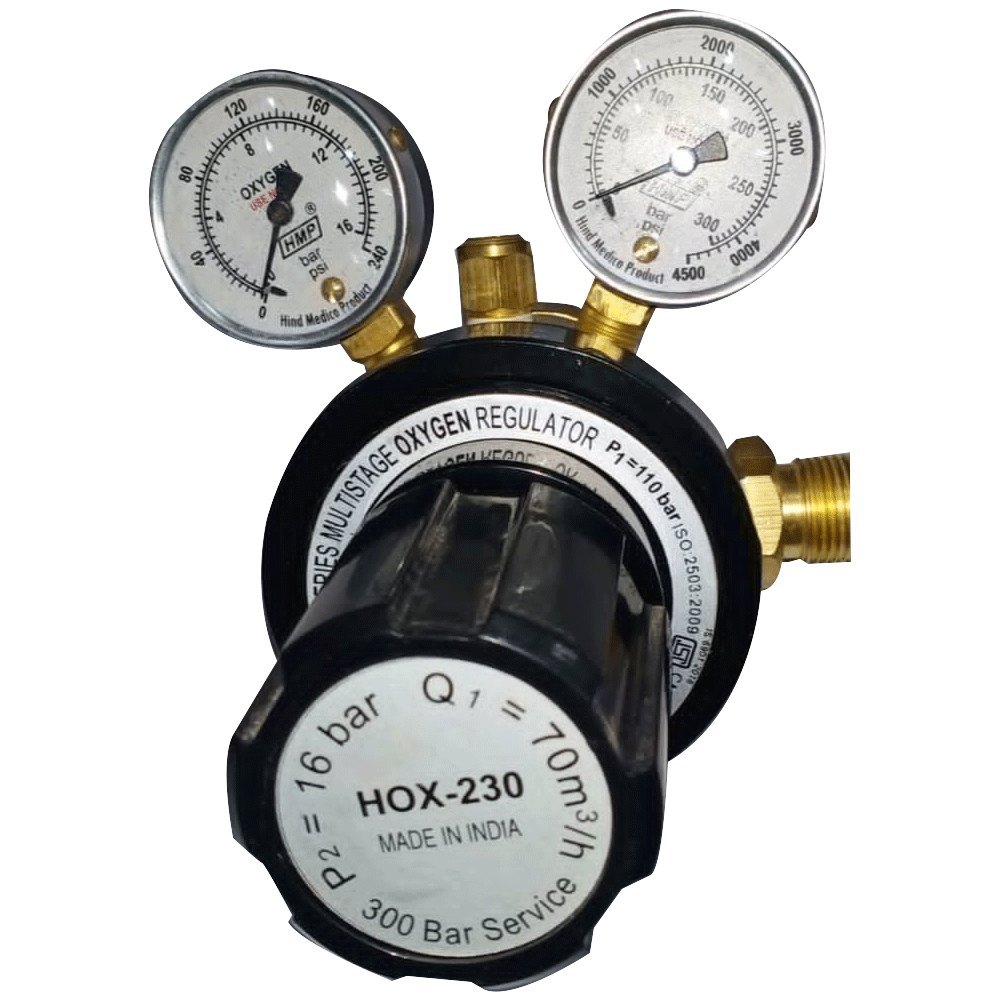
A gas regulator is one of the most important safety components in any LPG installation because it controls the pressure supplied from the cylinder or storage system to connected appliances. Learning how to spot a fake gas regulator before installation helps prevent unsafe pressure levels, poor appliance performance, gas leaks, and avoidable equipment failures.
Counterfeit LPG regulators are a growing concern in many markets because they often look similar to genuine products while using inferior materials, inaccurate pressure controls, and poor-quality internal components. A regulator may appear affordable at the point of purchase but create significant safety risks and replacement costs later.
Related Products
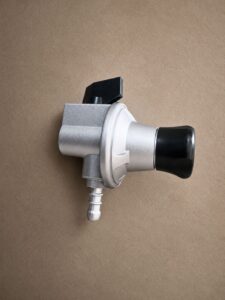
For homeowners, restaurant operators, property developers, and industrial facilities, understanding how to spot a fake gas regulator is an important part of responsible LPG equipment selection. A proper inspection should consider construction quality, manufacturer markings, certification information, pressure ratings, supplier credibility, and compatibility with the intended LPG system.
At Megtraco Kenya Ltd, LPG systems are approached from an engineering and safety perspective. Selecting the correct regulator is not only about fitting the connection; it requires verifying that the equipment meets performance requirements and supports safe operation.
What Is a Fake Gas Regulator?
A fake gas regulator is a counterfeit or substandard device manufactured, labelled, or sold as a genuine LPG pressure control component without meeting required safety and performance standards. These regulators may have inaccurate pressure control, poor materials, or missing compliance information.
An LPG regulator reduces the higher pressure from an LPG cylinder or storage vessel into a controlled pressure suitable for appliances and gas equipment. A genuine regulator is designed, tested, and marked according to specific technical requirements.
A counterfeit regulator may fail because of:
- Poor-quality diaphragm materials
- Weak internal springs
- Incorrect pressure calibration
- Inferior casting materials
- Poor sealing surfaces
- Missing safety markings
- Incorrect thread dimensions
Knowing how to spot a fake gas regulator allows buyers to identify these warning signs before the regulator is connected to a gas system.
For commercial and industrial applications, regulator selection should always be based on gas demand, operating pressure, and system design. Businesses can explore industrial LPG equipment designed for reliable performance in demanding environments.
Why Learning How to Spot a Fake Gas Regulator Is Important
Learning how to spot a fake gas regulator protects people, property, and LPG equipment by preventing the installation of unsafe components. A regulator failure can affect combustion quality, increase gas consumption, and create dangerous operating conditions.
Many LPG problems are incorrectly blamed on appliances when the actual cause is poor-quality pressure regulation. A defective regulator can cause:
- Excessive gas pressure
- Weak flame performance
- Appliance malfunction
- Increased LPG consumption
- Frequent shutdowns
- Gas leakage risks
In commercial kitchens, factories, and institutions, unreliable regulators can interrupt operations and create unnecessary maintenance expenses.
A proper inspection process explains how to spot a fake gas regulator before it becomes part of a larger LPG installation. This is especially important where multiple appliances depend on stable gas pressure.
Professional LPG projects should include equipment verification, pressure testing, and commissioning procedures. Working with professional engineering consultation helps ensure that every component matches the required design specifications.
How to Spot a Fake Gas Regulator Using Physical Inspection
The first step in how to spot a fake gas regulator is examining its physical construction. Genuine regulators normally show consistent manufacturing quality, clear markings, accurate machining, and durable materials.
Before installation, inspect the regulator carefully using the following checks:
| Inspection Area | Genuine Regulator Signs | Possible Counterfeit Warning |
|---|---|---|
| Body construction | Strong, clean metal casting | Rough casting, cracks, weak finish |
| Weight | Solid construction based on design | Unusually lightweight materials |
| Markings | Clear manufacturer information | Missing or unclear labels |
| Threads | Accurate and smooth machining | Loose, uneven, or damaged threads |
| Surface finish | Consistent manufacturing quality | Poor paint or rough finishing |
| Connections | Correct size and alignment | Poor fitting connections |
How to Spot a Fake Gas Regulator by Checking Weight and Material Quality
One practical method in how to spot a fake gas regulator is comparing its weight and construction against a genuine product specification. Quality regulators usually use durable materials designed to withstand repeated LPG service conditions.
A regulator that feels unusually light may indicate:
- Thin metal housing
- Poor-quality alloy
- Reduced internal components
- Lower manufacturing standards
However, weight alone should not be the only deciding factor because regulator designs vary depending on application, capacity, and manufacturer specifications.
A proper inspection should combine weight checks with:
- Manufacturer documentation
- Product markings
- Pressure rating verification
- Supplier confirmation
For larger LPG systems, components such as LP gas train equipment require detailed technical verification because they directly influence system safety and performance.
How to Spot a Fake Gas Regulator Through Markings and Labels
Clear identification markings are among the strongest indicators when learning how to spot a fake gas regulator. Genuine regulators normally include manufacturer details, pressure ratings, model information, and relevant certification marks.
Check the regulator body for:
- Manufacturer name
- Model number
- Operating pressure rating
- Flow capacity information
- Manufacturing details
- Compliance markings
Missing or poorly printed markings should raise concerns. Counterfeit products often attempt to copy brand names but fail to reproduce accurate technical information.
When buying LPG equipment, always request product documentation from the supplier. A reliable supplier should be able to explain:
- Where the regulator was manufactured
- Its approved operating conditions
- Its maintenance requirements
- Its compatibility with your LPG system
How to Spot a Fake Gas Regulator Through Thread Quality
Thread quality is another important factor in how to spot a fake gas regulator because incorrect connections can create leaks and installation failures. Genuine regulators use properly manufactured connection points designed for secure fitting.
Inspect the connection area for:
- Smooth thread machining
- Correct thread size
- Proper alignment
- No visible damage
- Secure connection fit
Poorly manufactured threads may result in:
- Gas leakage
- Difficult installation
- Damaged fittings
- Unsafe connections
For projects requiring reliable LPG distribution, advanced LPG piping systems should be selected alongside compatible valves, fittings, and regulators.