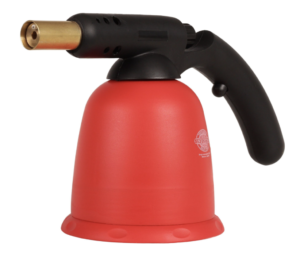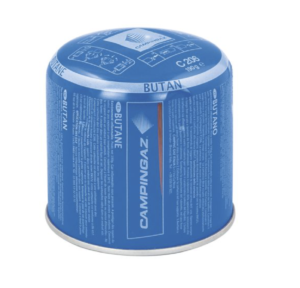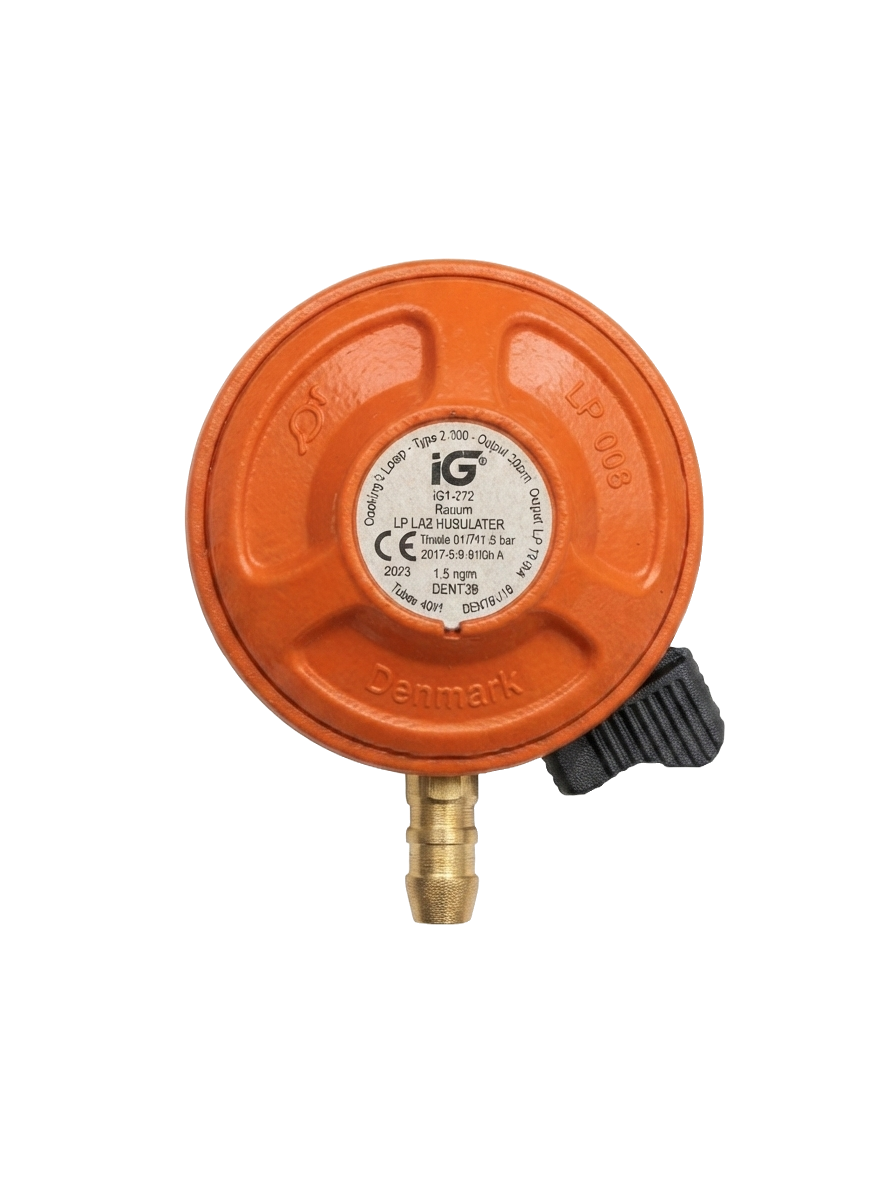
A gas regulator is a critical pressure-control device that determines how safely and efficiently LPG moves from a cylinder, storage vessel, or gas distribution system to connected appliances. Understanding why cheap gas regulators fail helps homeowners, businesses, and industrial operators avoid equipment failures, unsafe operating conditions, and unnecessary replacement costs.
Many LPG users focus on the initial purchase price when selecting regulators, but the cheapest option is not always the most economical choice. A low-cost regulator may use inferior materials, inaccurate pressure control mechanisms, weak internal components, and poor manufacturing processes that reduce service life.
Related Products
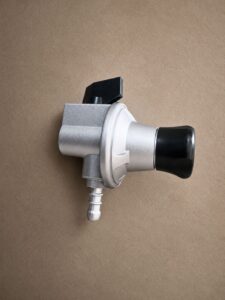
The real cost of a failed regulator extends beyond the replacement price. A defective regulator can lead to:
- Unstable gas pressure
- Increased LPG consumption
- Poor appliance performance
- Production interruptions
- Emergency repairs
- Safety risks
- Damage to connected equipment
Knowing why cheap gas regulators fail allows buyers to make decisions based on lifecycle value rather than the lowest upfront price.
For residential, commercial, and industrial LPG systems, regulators must be selected according to gas demand, operating pressure, appliance requirements, and safety standards. Megtraco Kenya Ltd supports customers with engineered LPG solutions, including industrial LPG equipment, gas distribution components, safety systems, and professional technical guidance.
Why Cheap Gas Regulators Fail in LPG Systems
Cheap gas regulators fail because they are often manufactured using lower-grade materials and components that cannot maintain accurate pressure control over time. A regulator that does not perform consistently can affect the entire LPG system connected to it.
An LPG regulator performs a simple but essential function: reducing higher storage pressure into a controlled outlet pressure suitable for appliances.
Inside a typical regulator are precision components such as:
- Diaphragm assembly
- Valve seat
- Spring mechanism
- Adjustment components
- Sealing elements
- Body housing
The quality of these components directly affects reliability.
When manufacturers reduce production costs, they may compromise:
- Material thickness
- Internal component quality
- Calibration accuracy
- Manufacturing tolerances
- Quality testing procedures
This explains why cheap gas regulators fail more frequently than properly engineered alternatives.
A quality regulator should maintain stable outlet pressure despite changing gas demand. In contrast, poor-quality regulators may experience pressure fluctuations that affect burners, boilers, heaters, and industrial equipment.
For applications requiring controlled and reliable LPG supply, professionally selected equipment such as LP gas train equipment helps maintain safer and more predictable system performance.
Why Cheap Gas Regulators Fail Due to Low-Quality Internal Components
The main reason why cheap gas regulators fail is the use of weak internal components that cannot withstand continuous LPG service conditions. Internal wear can affect pressure accuracy and create unsafe operating conditions.
Weak Diaphragms Reduce Regulator Reliability
The diaphragm is one of the most important parts inside an LPG regulator. It responds to pressure changes and controls the movement of the valve mechanism.
Low-quality regulators may use diaphragms made from inferior materials that:
- Harden prematurely
- Lose flexibility
- Crack under repeated operation
- Respond slowly to pressure changes
When a diaphragm fails, the regulator may no longer control pressure correctly.
This can result in:
| Component | Failure Effect |
|---|---|
| Weak diaphragm | Incorrect pressure regulation |
| Poor spring quality | Unstable outlet pressure |
| Low-grade seals | Gas leakage risk |
| Poor valve seat | Inconsistent gas flow |
| Weak body material | Reduced service life |
Understanding why cheap gas regulators fail requires looking beyond the external appearance. Many failures begin internally before any visible damage appears.
Why Cheap Gas Regulators Fail Because of Poor Valve Seats
A valve seat controls the flow of LPG through the regulator, and poor-quality valve seats are a major reason why cheap gas regulators fail. Damaged or inaccurate valve seats can prevent the regulator from maintaining stable pressure.
The valve seat must create a reliable seal while allowing controlled gas flow. Poor manufacturing quality can cause:
- Incomplete sealing
- Gas leakage
- Pressure creep
- Irregular appliance operation
Pressure creep occurs when outlet pressure slowly increases even when gas demand is low. This can create problems for appliances designed to operate within specific pressure limits.
Commercial kitchens and industrial facilities are especially sensitive to these problems because they depend on consistent gas delivery for continuous operations.
Facilities using large LPG systems should consider professional assessment and correctly specified equipment through customized engineering solutions rather than selecting components based only on purchase price.
Why Cheap Gas Regulators Fail Through Poor Pressure Control
Pressure instability is another major explanation for why cheap gas regulators fail. A regulator that cannot maintain the correct outlet pressure can reduce efficiency, increase fuel usage, and affect connected LPG appliances.
Every LPG appliance has a recommended operating pressure. If the regulator supplies incorrect pressure, users may experience:
- Weak flames
- Incomplete combustion
- Excessive fuel consumption
- Appliance shutdowns
- Reduced heating performance
For industrial users, pressure fluctuations can interrupt manufacturing processes involving:
- Boilers
- Furnaces
- Drying systems
- Food processing equipment
- Heating systems
A properly designed LPG system considers the total gas load, pipe sizing, pressure requirements, and future expansion.
Megtraco Kenya Ltd provides solutions including high-performance LPG vaporizers for applications requiring consistent LPG supply under demanding operating conditions.
Why Cheap Gas Regulators Fail Because of Poor Manufacturing Standards
Manufacturing quality plays a major role in explaining why cheap gas regulators fail. Regulators produced without strict quality control may have inaccurate dimensions, weak assemblies, and inconsistent performance.
Professional LPG equipment manufacturers use controlled processes to ensure:
- Accurate machining
- Correct material selection
- Pressure testing
- Reliable assembly
- Consistent calibration
Low-cost counterfeit or substandard products may appear similar externally but perform differently under operating conditions.
Before purchasing, buyers should check:
| Quality Check | What to Verify |
|---|---|
| Manufacturer details | Genuine brand identification |
| Pressure rating | Matches system requirements |
| Product markings | Clear technical information |
| Construction quality | Durable materials and finishing |
| Documentation | Supplier certification and records |
Learning why cheap gas regulators fail helps buyers understand that equipment quality directly affects safety and operating costs.
Why Cheap Gas Regulators Fail in Kenya’s LPG Market
The Kenyan LPG market requires equipment that can withstand different operating environments, from residential installations in Nairobi to commercial and industrial applications across East Africa. Poor-quality regulators may struggle under demanding conditions.
LPG systems must consider:
- Temperature variations
- High usage periods
- Outdoor installations
- Corrosion exposure
- Commercial operating schedules
Professional installations should align with relevant requirements from:
- Energy and Petroleum Regulatory Authority (EPRA)
- Kenya Bureau of Standards (KEBS)
- Directorate of Occupational Safety and Health Services (DOSHS)
Choosing reliable LPG equipment supports safer installations and reduces unexpected failures.
For advanced safety requirements, systems can also incorporate industrial gas leak detection to identify potential LPG problems before they become serious hazards.