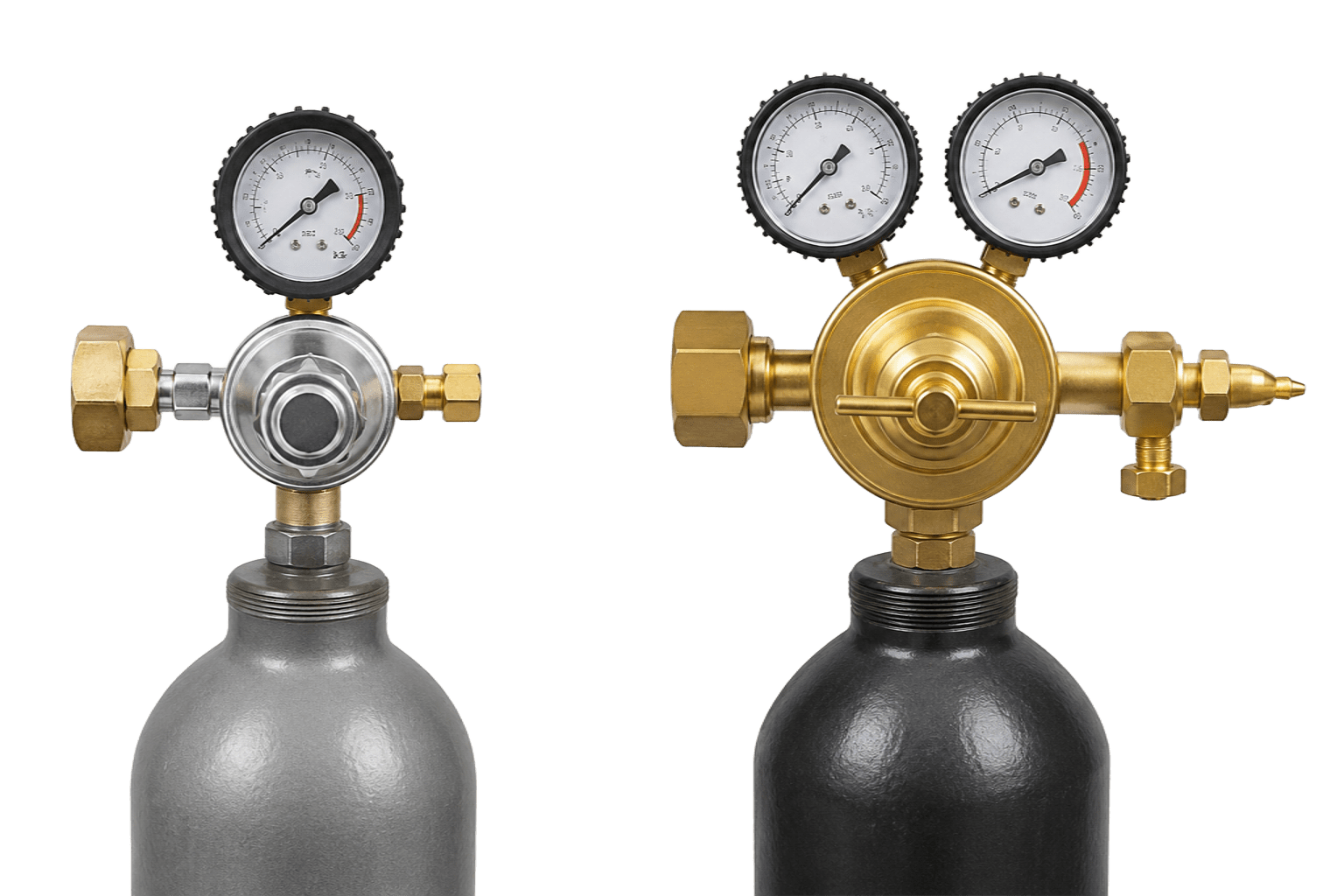
A low pressure vs high pressure regulator comparison helps determine which regulator is suitable for a specific LPG application. Low-pressure regulators deliver stable gas pressure for most domestic appliances, while high-pressure regulators provide greater gas flow for specialised commercial and industrial equipment. Selecting the wrong regulator can affect performance, efficiency, and safety.
Many homeowners and business operators ask about low pressure vs high pressure regulator differences when replacing an LPG regulator or installing new equipment. Understanding low pressure vs high pressure regulator specifications is essential because regulators are engineered to deliver different outlet pressures depending on the appliance and its gas demand.
Related Products
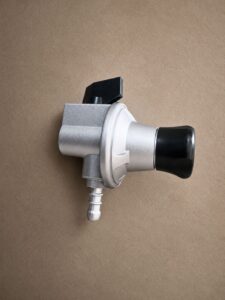
A low pressure vs high pressure regulator decision should never be based solely on whether the connection fits the cylinder. The regulator must match the appliance manufacturer’s pressure requirements, expected gas consumption, and installation design. Using the wrong regulator can lead to unstable flames, inefficient combustion, equipment damage, and unnecessary safety risks.
Across Kenya and East Africa, LPG powers homes, restaurants, hotels, hospitals, factories, schools, bakeries, and numerous industrial processes. Every installation depends on accurate pressure regulation to deliver safe, reliable, and efficient gas supply. Regulatory authorities such as the Energy and Petroleum Regulatory Authority (EPRA), the Kenya Bureau of Standards (KEBS), and the Directorate of Occupational Safety and Health Services (DOSHS) encourage the use of compliant LPG equipment installed by qualified professionals.
Megtraco Kenya Ltd supplies our LPG engineering solutions for residential, commercial, and industrial LPG systems, including regulators, gas trains, vaporizers, leak detection systems, and engineered pipeline solutions.
Low Pressure vs High Pressure Regulator: Understanding the Key Differences
A low pressure vs high pressure regulator comparison starts with outlet pressure. Low-pressure regulators reduce cylinder pressure to a safe, consistent level for domestic appliances, while high-pressure regulators allow greater gas flow for equipment with higher energy demands.
To understand low pressure vs high pressure regulator selection, it is important to know what an LPG regulator does.
An LPG cylinder stores gas under pressure that varies with temperature and the amount of LPG inside the cylinder. Appliances cannot safely use this pressure directly, so the regulator reduces it to the level required by the equipment.
The regulator performs several critical functions:
- Reduces cylinder pressure
- Maintains stable gas flow
- Protects downstream equipment
- Improves combustion efficiency
- Supports safe appliance operation
When evaluating low pressure vs high pressure regulator options, engineers also consider flow capacity, pressure stability, appliance demand, and operating conditions.
| Feature | Low-Pressure Regulator | High-Pressure Regulator |
|---|---|---|
| Typical Application | Domestic LPG appliances | Commercial and industrial equipment |
| Outlet Pressure | Lower, controlled pressure | Higher adjustable pressure |
| Gas Flow | Moderate | High |
| Common Equipment | Cookers, ovens, heaters | Burners, boilers, furnaces |
| Primary Purpose | Stable appliance operation | High-capacity gas supply |
Understanding low pressure vs high pressure regulator differences helps users avoid installing equipment that is incompatible with their LPG appliances.
Low Pressure vs High Pressure Regulator for Domestic LPG Appliances
A low pressure vs high pressure regulator comparison for domestic appliances almost always favours a low-pressure regulator because household cookers, ovens, and heaters are designed to operate at relatively low outlet pressures.
Domestic LPG appliances are carefully engineered around specific pressure requirements.
Typical examples include:
- Gas cookers
- Built-in hobs
- Domestic ovens
- Patio heaters
- Small water heaters
Using a high-pressure regulator on equipment designed for low pressure can create several problems.
Possible consequences include:
- Excessively large flames
- Poor combustion
- Increased gas consumption
- Overheating
- Appliance damage
- Reduced component lifespan
Understanding low pressure vs high pressure regulator selection allows homeowners to purchase the correct regulator instead of assuming all LPG regulators are interchangeable.
Low Pressure vs High Pressure Regulator for Commercial Kitchens
A low pressure vs high pressure regulator decision for commercial kitchens depends on appliance specifications, total gas demand, and the overall LPG system design. Large kitchens often require engineered pressure control systems rather than standard domestic regulators.
Commercial kitchens operate:
- Multiple burners
- Ovens
- Fryers
- Grills
- Steam equipment
These appliances may consume significantly more gas than a domestic kitchen.
Engineers evaluating low pressure vs high pressure regulator requirements consider:
- Total connected load
- Simultaneous equipment use
- Pipe sizing
- Pressure losses
- Future system expansion
Rather than relying on a single regulator, larger installations may use staged pressure regulation or complete gas train assemblies.
Megtraco Kenya Ltd supplies industrial LPG equipment and engineered gas distribution systems for hotels, restaurants, institutions, and commercial facilities throughout East Africa.
Why Low Pressure vs High Pressure Regulator Selection Matters
A low pressure vs high pressure regulator choice directly affects appliance performance, fuel efficiency, operational safety, and equipment reliability. Selecting the correct regulator ensures that every appliance receives the pressure it was designed to use.
When the wrong regulator is installed, operators may experience:
- Weak flames
- Flame lift-off
- Burner instability
- Yellow flames
- Slow cooking
- Excessive fuel consumption
- Frequent equipment shutdowns
These symptoms often indicate that the pressure supplied to the appliance does not match its design specifications.
Understanding low pressure vs high pressure regulator selection helps prevent unnecessary repairs and improves the long-term performance of LPG installations.
How Low Pressure vs High Pressure Regulator Affects Burner Performance
A low pressure vs high pressure regulator influences how efficiently burners mix LPG with air. Correct pressure produces stable combustion, while incorrect pressure can reduce efficiency and create unsafe operating conditions.
Burners are calibrated to operate within specific pressure ranges.
If pressure is too low:
- Flames become weak.
- Heating output decreases.
- Cooking takes longer.
If pressure is too high:
- Flames become unstable.
- Gas consumption increases.
- Burner components may wear more quickly.
Routine inspections and pressure testing help confirm that the regulator continues to perform according to its design specifications.
Conclusion
Understanding the low pressure vs high pressure regulator difference is essential for selecting the correct LPG pressure control equipment for your application. While low-pressure regulators are designed for most domestic cookers, ovens, and heaters, high-pressure regulators are intended for specialised commercial and industrial equipment that requires greater gas flow and higher outlet pressures. Choosing the correct regulator ensures appliances operate efficiently, safely, and according to the manufacturer’s specifications.
As this guide has shown, the low pressure vs high pressure regulator decision should never be based solely on connector type or price. Factors such as outlet pressure, gas demand, appliance capacity, pipeline design, and future expansion all influence regulator selection. Installing the wrong regulator can result in unstable flames, poor combustion, increased fuel consumption, equipment damage, and unnecessary safety risks.
For commercial kitchens, manufacturing plants, hospitals, hotels, schools, and other large LPG installations, professional engineering assessment is strongly recommended. Proper system design, pressure testing, commissioning, and routine maintenance help ensure compliance with EPRA requirements, KEBS standards, occupational safety regulations, and recognised engineering best practices.
Whether you need a domestic LPG regulator, a commercial gas train, industrial pressure regulation equipment, or a complete LPG engineering solution, Megtraco Kenya Ltd has the experience and technical expertise to deliver safe, compliant, and reliable systems across Kenya and East Africa.
Contact Megtraco Kenya Ltd
Your Trusted LPG & Fire Safety Engineering Partner in East Africa
Whether you’re designing a new LPG installation, upgrading industrial gas systems, or enhancing fire safety compliance, Megtraco Kenya Ltd delivers certified engineering solutions backed by decades of expertise. From LPG equipment supply and pipeline installations to fire suppression and detection systems, our experienced team provides reliable solutions for commercial, industrial, and institutional projects across East Africa.
You May Also Like
Contact us today for professional consultation, engineering support, or a customized quotation.
WHY CHOOSE MEGTRACO KENYA LTD
- Established Since 1969 – Decades of proven engineering excellence.
- KEBS Certified Products – Guaranteed quality and compliance with regional standards.
- EPRA Licensed LPG Engineering Company – Fully certified to design, install, and commission.
- Industrial & Commercial LPG Specialists – Scaled to handle heavy-duty thermal requirements.
- Fire Suppression & Fire Detection Experts – End-to-end asset protection.
- Regional Operational Footprint – Serving Nairobi, Mombasa, Kisumu, Nakuru, Eldoret, Thika, Machakos, Uganda, Tanzania, Rwanda, and the wider East African region.
Contact Megtraco Kenya Ltd
- Email: sales@megtracokenya.com
- Sales: +254 725 870 114
- Technical: +254 733 721 598
- WhatsApp: +254 799 086 323
- Location: Nairobi, Kenya – Serving East Africa
- Website: https://megtracokenya.com
Request a Quote today and partner with East Africa’s trusted LPG and fire safety engineering company since 1969.
