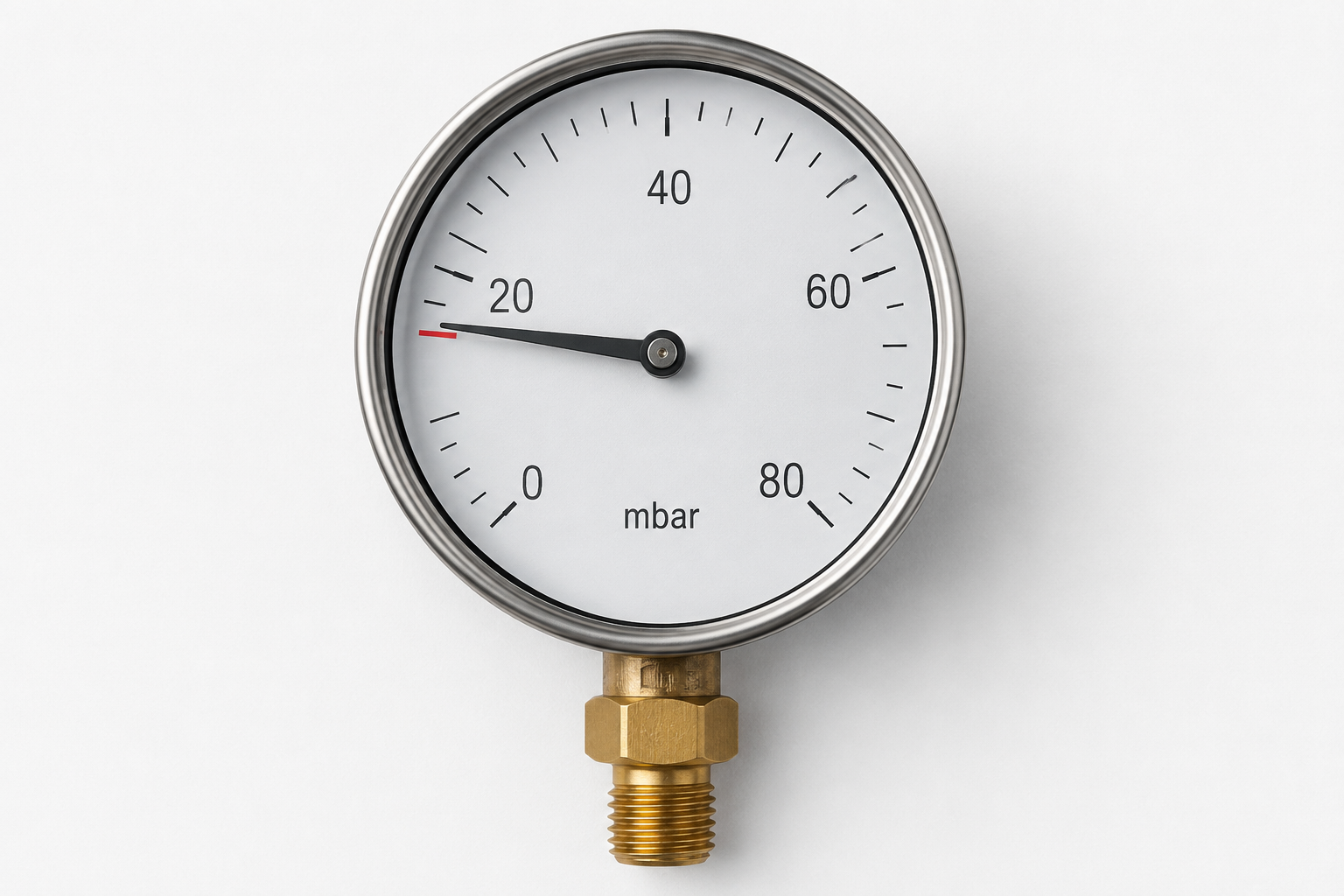
What does 30mbar mean? It refers to the outlet gas pressure that an LPG regulator is designed to deliver to an appliance under normal operating conditions. A regulator rated at 30mbar reduces the high pressure inside an LPG cylinder to approximately 30 millibars, allowing domestic appliances to burn gas safely and efficiently.
Many people ask what does 30mbar mean after noticing the number stamped on an LPG regulator or printed in an appliance manual. Although it looks like a simple technical specification, understanding what does 30mbar mean is important because the regulator pressure directly affects burner performance, fuel efficiency, appliance reliability, and overall LPG safety.
Related Products
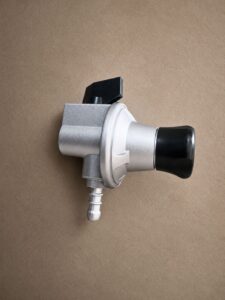
When someone asks what does 30mbar mean, the answer is not simply “pressure.” The figure represents the operating pressure that manufacturers use when designing many domestic LPG cookers, ovens, and other gas appliances. If the regulator cannot maintain this pressure, appliances may develop unstable flames, poor heating performance, excessive gas consumption, or repeated flame failure.
Across Kenya and East Africa, LPG systems are widely used in homes, restaurants, schools, hospitals, hotels, and commercial kitchens. Safe operation depends on properly matched regulators, approved installation practices, and routine inspection. Regulatory authorities such as the Energy and Petroleum Regulatory Authority (EPRA), the Kenya Bureau of Standards (KEBS), and the Directorate of Occupational Safety and Health Services (DOSHS) promote the use of compliant LPG equipment to improve safety and reliability.
Megtraco Kenya Ltd supplies our LPG engineering solutions for domestic, commercial, and industrial LPG systems, helping customers select the correct pressure regulators, piping systems, and safety equipment.
What Does 30mbar Mean for LPG Outlet Pressure?
What does 30mbar mean for LPG outlet pressure? It means the regulator is designed to reduce the cylinder’s high internal pressure to a stable outlet pressure of approximately 30 millibars before the gas reaches the appliance. This controlled pressure allows burners to operate as intended by the manufacturer.
To understand what does 30mbar mean, it helps to understand how an LPG regulator works.
An LPG cylinder stores gas under significantly higher pressure than most cooking appliances can safely use. The regulator’s role is to reduce this pressure to a consistent level regardless of small variations inside the cylinder.
Without a regulator, gas would leave the cylinder at excessive pressure, making normal appliance operation impossible.
A typical LPG pressure control system consists of:
- LPG cylinder
- Cylinder valve
- Pressure regulator
- LPG hose
- Appliance connection
- Burner assembly
Each component contributes to maintaining safe gas flow.
| Component | Purpose | Effect if Faulty |
|---|---|---|
| LPG Cylinder | Stores LPG under pressure | Interrupted gas supply |
| Cylinder Valve | Controls gas release | Leakage or restricted flow |
| 30mbar Regulator | Maintains stable outlet pressure | Poor burner performance |
| LPG Hose | Transfers gas safely | Reduced flow or leakage |
| Burner | Mixes gas with air | Weak or unstable flame |
Understanding what does 30mbar mean helps users appreciate why the regulator is one of the most important safety devices in any LPG installation.
What Does 30mbar Mean for Domestic Gas Appliances?
What does 30mbar mean for domestic gas appliances? It means the appliance has been engineered to operate at an outlet pressure of approximately 30 millibars. Using a regulator with a different pressure rating can affect combustion, efficiency, and safety.
Most domestic LPG appliances are carefully calibrated by manufacturers.
Examples include:
- Gas cookers
- Built-in hobs
- Ovens
- Barbecue equipment
- Patio heaters
When manufacturers specify a 30mbar regulator, burner jets, air intake, and flame characteristics are designed around that pressure.
If users misunderstand what does 30mbar mean and install an incorrect regulator, several operational problems may occur.
Possible symptoms include:
- Weak flame
- Yellow flame
- Excessive soot
- Slow cooking
- Flame instability
- Appliance shutdown
- Higher fuel consumption
Choosing the correct regulator pressure helps appliances perform efficiently while reducing unnecessary wear.
What Does 30mbar Mean When Choosing a Gas Regulator?
What does 30mbar mean when selecting a gas regulator? It means the regulator’s outlet pressure must match the pressure specified by the appliance manufacturer. Pressure rating is just as important as connector compatibility or flow capacity.
Many users mistakenly believe that all LPG regulators are identical.
In reality, regulators differ by:
- Outlet pressure
- Flow capacity
- Connection type
- Safety features
- Intended application
For example, a domestic cooker regulator differs significantly from regulators used in commercial kitchens or industrial LPG systems.
When evaluating what does 30mbar mean, users should also consider:
- Appliance demand
- Number of connected appliances
- LPG consumption rate
- Installation environment
- Future expansion
Megtraco Kenya Ltd supplies industrial LPG equipment and engineered pressure control solutions for residential, commercial, and industrial gas systems.
What Does 30mbar Mean for Burner Performance?
What does 30mbar mean for burner performance? It means the burner receives the pressure required to produce a stable flame, efficient combustion, and consistent heating. Maintaining the correct outlet pressure helps improve safety, cooking performance, and fuel economy.
Burner performance depends on balancing gas flow with the correct amount of air.
If pressure drops below specification:
- Flames may become weak.
- Cooking times may increase.
- Burners may extinguish unexpectedly.
If pressure exceeds specification:
- Flames may become excessively large.
- Fuel consumption may increase.
- Combustion quality may decrease.
- Appliance components may experience unnecessary stress.
Understanding what does 30mbar mean allows users to recognise that the regulator is not simply an accessory but a precision pressure-control device that supports safe and efficient LPG operation.
Professional pressure testing and routine inspections help verify that the regulator continues to deliver the specified outlet pressure throughout its service life.