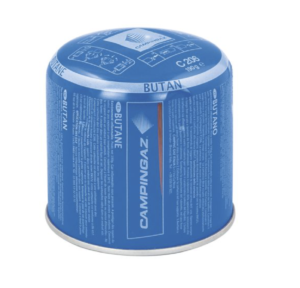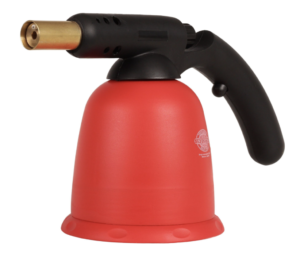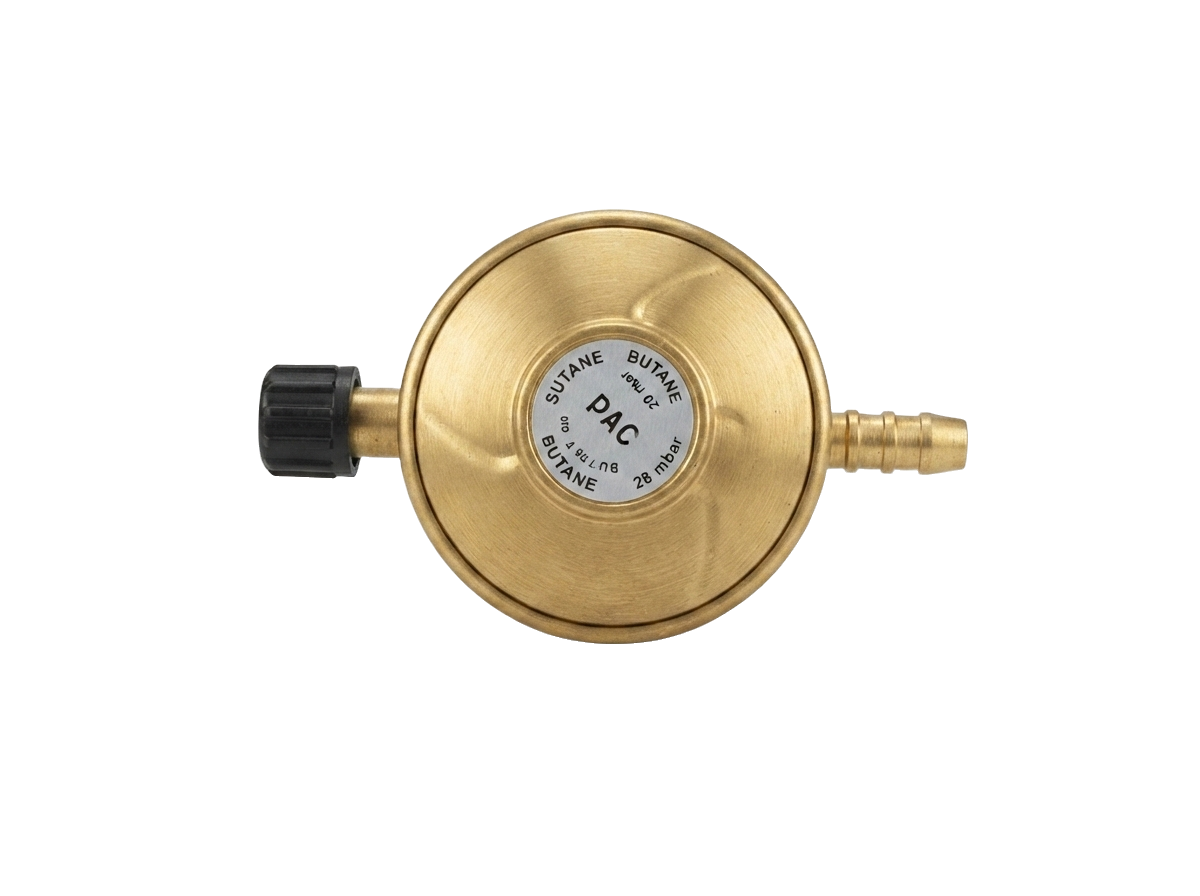
A regulator won’t fit cylinder connection when the regulator and cylinder valve are not designed to work together. This problem usually indicates an incorrect connection type, damaged valve, incompatible pressure rating, or unsuitable regulator selection. Forcing the regulator can damage sealing surfaces and create serious LPG safety risks.
When a regulator won’t fit cylinder properly, the correct action is inspection, identification, and replacement with the correct equipment. An LPG regulator should connect smoothly using the correct locking or threading mechanism without excessive force. Any resistance is an indication that the regulator-cylinder combination requires verification before operation.
Related Products
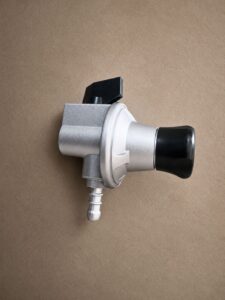
LPG systems depend on precision-engineered components working together. The cylinder stores liquefied petroleum gas under pressure, while the regulator reduces this pressure to a controlled level suitable for appliances, burners, commercial kitchens, or industrial equipment. If the connection between these two components is incorrect, the entire gas supply system can become unsafe.
In Kenya and across East Africa, LPG is used extensively in residential, commercial, institutional, and industrial applications. Restaurants, hotels, schools, hospitals, manufacturing facilities, and agricultural processors depend on reliable LPG supply systems. In these environments, a regulator won’t fit cylinder issue should be treated as a technical warning rather than a simple installation inconvenience.
Professional LPG engineering companies such as Megtraco Kenya Ltd provide engineered LPG solutions that focus on correct equipment selection, safe installation, pressure management, and regulatory compliance.
What Does It Mean When a Regulator Won’t Fit Cylinder?
A regulator won’t fit cylinder situation means that the regulator inlet connection does not match the cylinder valve design or specification. The mismatch may be caused by incompatible fittings, incorrect standards, damaged components, or an unsuitable regulator type.
A properly manufactured LPG regulator is designed to fit a specific cylinder valve configuration. When a regulator won’t fit cylinder, it is often because one of the key compatibility requirements has not been met.
The regulator-cylinder connection depends on several engineering factors:
| Compatibility Factor | Technical Requirement | Risk If Incorrect |
|---|---|---|
| Valve connection type | Regulator must match cylinder valve design | Gas leakage or failed connection |
| Pressure rating | Regulator must handle required inlet and outlet pressure | Poor appliance performance or unsafe operation |
| Flow capacity | Regulator must supply required gas volume | Flame instability or equipment failure |
| Sealing system | Connection must create a reliable gas-tight seal | LPG vapour escape |
| Equipment certification | Components must meet approved standards | Compliance and safety concerns |
A common misunderstanding is that every LPG regulator can connect to every LPG cylinder. This assumption is incorrect. Different cylinders may use different valve systems depending on manufacturer specifications, supply chain requirements, and intended application.
For example, a small domestic LPG regulator may not be suitable for a commercial kitchen requiring higher gas flow. Similarly, an industrial LPG installation may require specialized pressure control equipment rather than a standard household regulator.
For businesses requiring correct LPG equipment selection, Megtraco Kenya Ltd offers customized engineering solutions for commercial and industrial gas installations.
Why You Must Never Force a Regulator Onto a Cylinder
If a regulator won’t fit cylinder connections naturally, forcing the equipment into position can damage critical safety components. LPG systems are engineered for precise fitting, and any forced connection can increase the possibility of leakage, equipment failure, and unsafe operation.
Many users attempt to solve a regulator won’t fit cylinder problem by applying physical force. This may include excessive tightening, hitting the regulator into place, modifying fittings, or using unofficial adapters.
These methods create several risks.
Damaged LPG Valve Sealing Components
The cylinder valve and regulator connection rely on accurately positioned sealing surfaces. These surfaces prevent LPG from escaping during operation.
When a regulator won’t fit cylinder connection and force is applied, the following damage may occur:
- Scratched sealing areas
- Distorted connection surfaces
- Damaged threads
- Broken locking mechanisms
- Permanent regulator deformation
Even minor damage can prevent the connection from sealing correctly.
Increased Risk of LPG Gas Leakage
An incorrectly installed regulator may allow LPG vapour to escape around the connection point. LPG leakage is dangerous because the gas can accumulate in poorly ventilated areas and create a fire hazard.
A safe LPG installation requires:
- Correct regulator-cylinder compatibility
- Proper leak testing
- Approved fittings
- Adequate ventilation
- Regular inspection
Industrial facilities often require additional protection systems, including industrial gas leak detection technologies to identify abnormal gas conditions quickly.
Common Reasons a Regulator Won’t Fit Cylinder Connections
A regulator won’t fit cylinder connection because of technical incompatibility, not because the regulator requires more force. The most common causes include wrong regulator selection, different valve standards, damaged components, or incorrect replacement parts.
Understanding why a regulator won’t fit cylinder connections helps users avoid unsafe installation practices.
1. Incorrect Regulator Type
The most common reason a regulator won’t fit cylinder equipment is selecting the wrong regulator model.
Regulators differ based on:
- Cylinder valve design
- Gas pressure requirements
- Flow capacity
- Application type
- Connection method
A domestic LPG regulator is designed differently from equipment used in industrial applications.
2. Different Cylinder Valve Standards
LPG cylinders may have different connection systems depending on their design and supplier specifications.
A regulator from one cylinder system may not connect to another cylinder valve. This is why users should confirm compatibility before purchasing replacement equipment.
3. Damaged Cylinder Valve
Sometimes the regulator is correct, but the cylinder valve has been damaged.
A damaged valve may result from:
- Physical impact
- Incorrect previous installation
- Corrosion
- Poor handling
- Storage problems
If a regulator won’t fit cylinder after previously working correctly, the cylinder valve should be inspected.
4. Damaged Regulator Connection
The regulator itself may be the problem. Wear, impact damage, or incorrect storage can affect the regulator inlet connection.
Signs of regulator damage include:
- Visible cracks
- Bent fittings
- Damaged locking parts
- Poor connection alignment
Why Correct LPG Regulator Selection Matters in Kenya
Correct LPG regulator selection ensures safe pressure control, reliable gas supply, and compliance with LPG safety requirements in Kenya. When a regulator won’t fit cylinder equipment, professional assessment helps prevent unsafe modifications and incorrect installations.
Kenyan LPG installations are subject to safety requirements involving equipment quality, installation practices, and operational controls. Organisations such as the Energy and Petroleum Regulatory Authority (EPRA), Kenya Bureau of Standards (KEBS), and occupational safety authorities provide frameworks that guide safe LPG handling.
Commercial and industrial users must consider:
- Gas consumption requirements
- Cylinder storage arrangement
- Pressure regulation needs
- Emergency shut-off systems
- Fire protection measures
A properly designed LPG system may include:
- Automatic changeover systems
- Pressure regulators
- Safety valves
- Gas detection equipment
- Fire suppression systems
- Properly rated piping
Megtraco Kenya Ltd supplies industrial LPG equipment designed for commercial and industrial applications requiring reliable gas distribution.