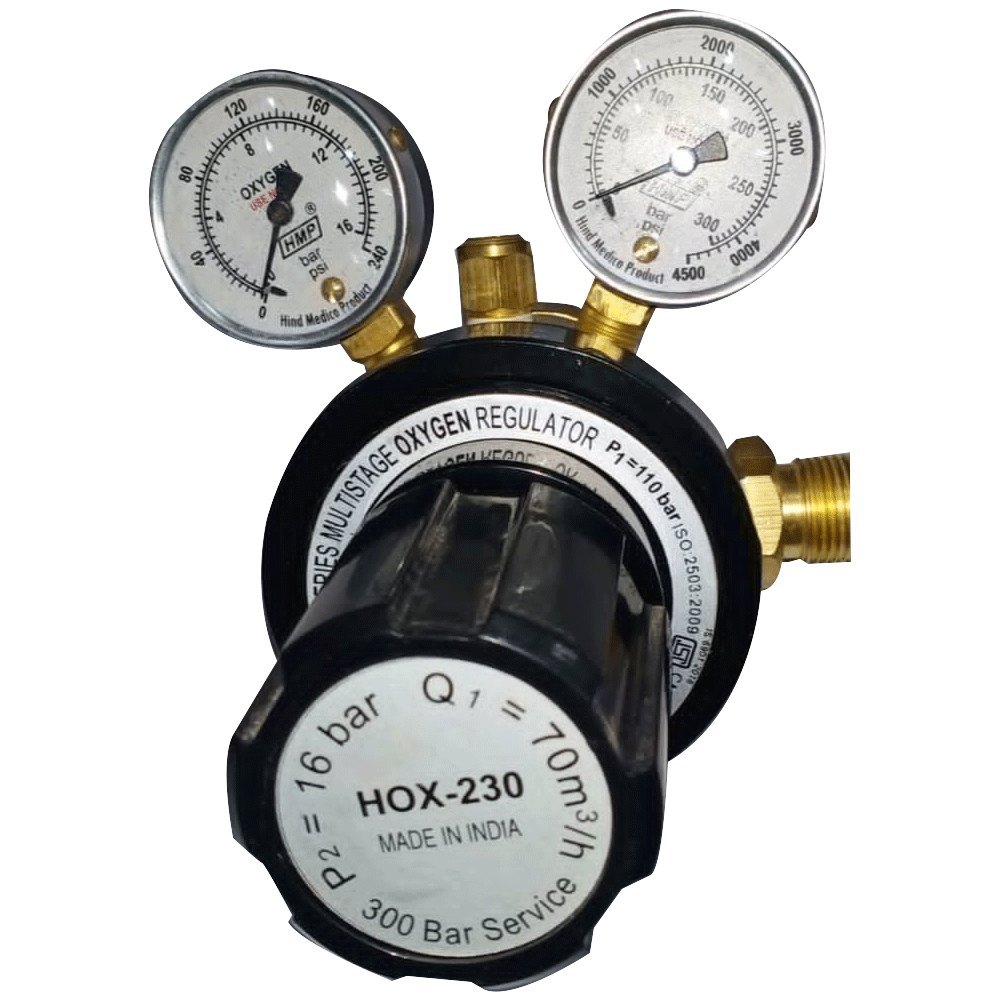
A regulator with gauge is one of the most misunderstood components in LPG systems. Many users purchase a pressure gauge regulator believing that the needle directly shows how much LPG remains inside a cylinder. In reality, the gauge normally indicates pressure inside the LPG container or gas supply line, not the exact quantity of fuel remaining.
Understanding what the needle represents is essential for safe LPG operation in homes, restaurants, hotels, factories, and industrial facilities. Incorrect interpretation of gauge readings can lead to unnecessary cylinder replacement, inaccurate fuel monitoring, or failure to identify genuine system problems.
Related Products
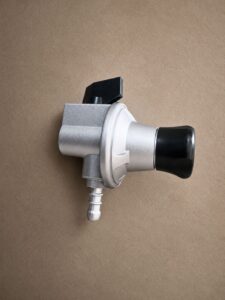
An LPG regulator performs two critical functions:
- Reducing high LPG storage pressure to a safe appliance operating pressure.
- Maintaining stable gas flow despite changing cylinder conditions.
A regulator with gauge adds another layer of information by displaying pressure conditions, helping operators monitor system performance.
Megtraco Kenya Ltd supplies reliable LPG equipment and gas control components for commercial and industrial applications through its range of industrial LPG equipment:
What Is a Regulator With Gauge?
A regulator with gauge is an LPG pressure control device fitted with an integrated pressure indicator that displays gas pressure at a specific point in the system.
The regulator reduces LPG pressure from the storage cylinder or tank to the operating pressure required by connected appliances while the gauge provides a visual pressure reading.
A typical LPG regulator with gauge assembly consists of:
- Pressure inlet connection
- Diaphragm mechanism
- Spring-loaded adjustment system
- Safety vent
- Outlet connection
- Pressure gauge display
- Internal sealing components
The regulator controls pressure automatically while the gauge allows operators to observe operating conditions.
What Does the Needle on an LPG Gauge Actually Tell You?
Direct Answer
The needle on an LPG regulator gauge tells you the pressure condition of the LPG system at the point where the gauge is installed. It does not directly measure the amount of LPG remaining because LPG exists as both liquid and vapour inside a cylinder.
The gauge reading represents pressure, usually measured in:
- bar
- psi
- kPa
The pressure depends mainly on:
- LPG composition
- Temperature
- Cylinder conditions
- Vapour-liquid equilibrium
Pressure vs LPG Quantity: The Common Misunderstanding
Many users assume:
“The gauge is half full, so the cylinder must be half full.”
This is generally incorrect.
LPG cylinders contain liquid LPG at the bottom and LPG vapour above it. As long as liquid LPG remains inside the cylinder, the vapour pressure is mainly affected by temperature rather than the exact quantity of LPG.
For example:
A full LPG cylinder and a cylinder containing half its LPG volume may show a similar pressure reading under the same temperature conditions.
The gauge may only show a significant pressure drop when:
- The cylinder is nearly empty
- LPG evaporation cannot keep up with demand
- Temperature conditions reduce vaporization
- There is a regulator or supply problem
Why LPG Pressure Changes
Temperature Effects
LPG pressure changes naturally with temperature.
When temperatures increase:
- LPG molecules gain energy
- More vapour forms
- Pressure increases
When temperatures decrease:
- Vapour pressure reduces
- Gas availability may decrease
This is important in Kenya because operating conditions vary between regions:
- Nairobi highland climate
- Coastal Mombasa temperatures
- Cooler agricultural regions
- Industrial environments with varying exposure
LPG Composition
Commercial LPG is usually a mixture of:
- Propane
- Butane
The exact mixture affects vapour pressure characteristics.
Propane generally produces higher vapour pressure than butane at the same temperature.
Why Use a Regulator With Gauge?
A regulator with gauge provides useful operational information when correctly interpreted.
1. Detecting Abnormal Pressure Conditions
The gauge can help identify:
- Empty cylinders
- Blocked gas supply
- Regulator malfunction
- Incorrect pressure settings
2. Improving System Monitoring
Commercial users can monitor:
- Pressure stability
- Equipment performance
- Operating conditions
This is particularly useful for:
- Restaurants
- Hotels
- Workshops
- Institutions
- Industrial plants
3. Supporting Preventive Maintenance
Pressure monitoring helps maintenance teams identify developing problems before they cause operational interruption.
Industrial facilities can integrate pressure monitoring with wider LPG safety systems, including industrial gas leak detection solutions:
Components of an LPG Regulator With Gauge
Pressure Regulator Body
The regulator body houses the internal mechanism responsible for reducing pressure.
Common materials include:
- Aluminium alloys
- Brass
- Stainless steel components
Material selection depends on:
- Application type
- Pressure rating
- Environmental exposure
Diaphragm Assembly
The diaphragm responds to downstream pressure changes.
When appliance demand increases:
- Outlet pressure decreases
- Diaphragm moves
- Valve opens further
- More LPG flows
When demand reduces:
- Outlet pressure rises
- Valve closes partially
This automatic adjustment maintains stable gas delivery.
Pressure Gauge
The gauge provides visual pressure indication.
Common gauge features include:
| Gauge Feature | Purpose |
|---|---|
| Dial face | Displays pressure reading |
| Pressure scale | Shows bar, psi or kPa values |
| Needle indicator | Shows current pressure |
| Connection point | Links gauge to gas pressure area |
| Protective casing | Protects internal mechanism |
LPG Regulator Applications in Kenya
Residential LPG Systems
Small LPG cylinders commonly use low-pressure regulators designed for:
- Cooking appliances
- Domestic water heaters
- Small burners
The gauge may assist users in monitoring unusual conditions but should not be treated as a fuel-level indicator.
Commercial Kitchens and Hospitality
Hotels and restaurants require reliable LPG supply for:
- Cooking ranges
- Ovens
- Boilers
- Catering equipment
A regulator with gauge can assist operators by providing visibility into pressure behaviour.
Large hospitality facilities often require engineered LPG distribution systems rather than individual cylinder connections.
Megtraco provides commercial LPG systems and customized engineering solutions for hotels, institutions and industrial facilities:
Industrial LPG Applications
Industrial users require higher-performance regulators capable of handling:
- Higher flow rates
- Continuous operation
- Multiple appliances
- Automated systems
Applications include:
- Manufacturing plants
- Food processing facilities
- Industrial ovens
- Steam generation systems
Industrial LPG systems may incorporate:
- Pressure regulators
- Gas trains
- Safety shutoff valves
- Monitoring equipment
- Control panels
Megtraco Kenya Ltd provides our LPG engineering solutions for industries requiring reliable LPG infrastructure:
Technical Specifications of LPG Regulators With Gauge
The correct regulator selection depends on engineering parameters rather than gauge appearance.
Important specifications include:
- Maximum inlet pressure
- Outlet pressure
- Flow capacity
- Connection size
- Gas type compatibility
- Temperature range
- Material specification
LPG Regulator Performance Table
| Parameter | Typical Consideration |
|---|---|
| Gas type | LPG propane/butane mixture |
| Pressure measurement | bar, psi or kPa |
| Application | Domestic, commercial or industrial |
| Flow capacity | Based on appliance demand |
| Connection type | Threaded or flanged depending on system |
| Body material | Brass, aluminium or industrial alloys |
| Safety features | Relief vent, shutoff protection |
Regulator With Gauge vs Standard LPG Regulator: Technical Comparison
Understanding the Difference Between Basic and Gauge-Equipped Regulators
A regulator with gauge and a standard LPG regulator perform the same primary function: reducing LPG pressure to a safe operating level. The main difference is that a gauge-equipped regulator provides visual pressure information, allowing operators to observe system behaviour.
The gauge adds monitoring capability, but it does not replace proper LPG level measurement systems, maintenance procedures, or professional inspections.
Comparison Table: Regulator With Gauge vs Standard Regulator
| Feature | Standard LPG Regulator | Regulator With Gauge |
|---|---|---|
| Pressure reduction | Yes | Yes |
| Pressure display | No | Yes |
| Shows exact LPG quantity remaining | No | No |
| Helps identify pressure problems | Limited | Better visibility |
| Suitable for commercial users | Yes | Recommended |
| Maintenance troubleshooting | More difficult | Easier |
| Cost | Lower | Slightly higher |
| Operator monitoring | Limited | Improved |
How to Read an LPG Regulator Gauge Correctly
A regulator gauge should be interpreted as a pressure monitoring device, not a fuel quantity meter. The reading indicates pressure conditions at the regulator or cylinder connection point and must be evaluated together with temperature, LPG demand, and system performance.
A typical pressure reading should be assessed by considering:
- Current operating temperature
- Appliance demand
- Cylinder size
- LPG consumption rate
- Regulator specifications
Common Gauge Reading Situations
Normal Pressure Reading
A stable reading usually indicates:
- LPG supply is available
- Regulator is maintaining pressure
- Appliances are receiving gas correctly
However, a normal pressure reading does not confirm how many kilograms of LPG remain.
Low Pressure Reading
A low reading may indicate:
- Cylinder is almost empty
- High gas demand exceeds vaporization ability
- Cold operating conditions
- Blocked valve
- Regulator malfunction
The correct response is investigation rather than immediate cylinder replacement.
Pressure Drop During Heavy Usage
When multiple appliances operate simultaneously, pressure may temporarily decrease.
Examples:
- Commercial kitchen peak cooking hours
- Industrial burners starting together
- Boiler ignition cycles
A properly designed system should maintain stable pressure under expected demand.
Large facilities may require engineered solutions including:
- Multiple cylinders
- LPG storage tanks
- Automatic changeover systems
- Vaporization equipment
Megtraco provides professional engineering consultation for LPG system sizing and optimization:
Does a Regulator With Gauge Show How Much Gas Is Left?
No. A regulator with gauge does not accurately show the amount of LPG remaining inside a cylinder. It measures pressure, and LPG pressure remains relatively stable while liquid LPG is still present. Accurate fuel measurement requires weighing, level monitoring devices, or calibrated LPG tank gauges.
Better Methods for Measuring LPG Level
1. Weighing the Cylinder
The most accurate method for small cylinders is:
- Measure total cylinder weight
- Subtract empty cylinder weight
- Calculate remaining LPG
2. LPG Tank Level Gauges
Large LPG storage tanks may use:
- Float gauges
- Electronic level sensors
- Remote monitoring systems
These provide actual liquid level information.
3. Consumption Tracking
Commercial users can estimate LPG usage through:
- Daily consumption records
- Production output calculations
- Historical fuel data
Industrial LPG Regulator Selection Criteria
Choosing the Correct Regulator for a Plant
Industrial LPG regulators must be selected according to:
- Maximum gas flow requirement
- Operating pressure
- Number of connected appliances
- Burner specifications
- Safety requirements
Incorrect selection may cause:
- Flame instability
- Poor combustion
- Equipment damage
- Increased fuel consumption
Important Regulator Specifications
1. Flow Capacity
The regulator must deliver sufficient LPG flow during peak demand.
Flow capacity is normally expressed as:
- kg/hr
- Nm³/hr
- BTU/hr
The required capacity depends on connected equipment.
2. Pressure Rating
Industrial regulators must handle:
- Maximum inlet pressure
- Required outlet pressure
- Pressure fluctuations
Pressure ratings must match the LPG installation design.
3. Material Compatibility
Regulator materials must withstand LPG service conditions.
Common materials include:
- Brass
- Stainless steel
- Aluminium alloys
- Engineering polymers
Commercial and Industrial LPG System Integration
A regulator with gauge is only one component of a complete LPG system.
A properly designed installation may include:
- LPG storage tanks
- Regulators
- Safety valves
- Gas trains
- Pipework
- Detection systems
- Fire protection equipment
Megtraco Kenya Ltd supplies industrial LPG equipment for commercial and industrial projects:
Installation Best Practices for LPG Regulators
Professional Installation Workflow
A safe LPG regulator installation follows a controlled engineering process.
Step 1: System Assessment
Engineers evaluate:
- Gas demand
- Appliance requirements
- Pressure requirements
- Installation environment
Step 2: Equipment Selection
Selection considers:
- LPG consumption
- Operating pressure
- Regulatory requirements
- Future expansion
Step 3: Mechanical Installation
Installation includes:
- Correct orientation
- Secure connections
- Vent protection
- Isolation valves
- Accessibility for maintenance
Step 4: Testing and Commissioning
Before operation:
- Leak testing is completed
- Pressure settings are verified
- Appliance performance is checked
- Safety systems are confirmed
LPG Regulator Installation Safety Checklist
| Inspection Item | Verification Requirement |
|---|---|
| Regulator suitability | Correct type and capacity selected |
| Gauge condition | Dial visible and undamaged |
| Connections | Leak-free and secure |
| Vent opening | Protected and unobstructed |
| Pressure setting | Matches appliance requirements |
| Pipework | Correctly sized and supported |
| Isolation valves | Accessible and functional |
| Leak testing | Completed before operation |
Regulatory Compliance Requirements in Kenya
EPRA LPG Installation Requirements
Industrial and commercial LPG installations in Kenya must comply with Energy and Petroleum Regulatory Authority requirements.
Compliance focuses on:
- Approved installation practices
- Safe LPG handling
- Licensed engineering work
- Equipment suitability
- Inspection procedures
Companies should ensure that LPG systems are designed and installed by qualified professionals.
KEBS Standards and Product Quality
The Kenya Bureau of Standards (KEBS) provides conformity requirements for LPG-related products and equipment.
Regulators and associated components should be checked for:
- Product quality
- Pressure suitability
- Material standards
- Safety performance
Using non-certified components can increase risks including:
- Leakage
- Pressure failure
- Poor appliance performance
Workplace Safety Requirements (DOSHS)
Commercial and industrial LPG users must maintain safe working environments through:
- Risk assessments
- Employee training
- Emergency procedures
- Equipment inspections
LPG systems should include appropriate emergency response planning.
NFPA Standards for LPG Safety
Internationally recognized standards such as NFPA 58 provide guidance on:
- LPG storage
- Equipment installation
- Separation distances
- Safety controls
Fire protection should be integrated into LPG system planning.
Facilities requiring enhanced protection can explore commercial fire safety systems:
Maintenance Schedule for LPG Regulators With Gauge
Regular inspection improves reliability and extends service life.
| Maintenance Task | Recommended Action |
|---|---|
| Visual inspection | Check for damage, corrosion or contamination |
| Gauge inspection | Confirm readable display and physical condition |
| Leak testing | Perform scheduled checks |
| Pressure verification | Confirm correct operating pressure |
| Connection inspection | Check fittings and seals |
| Replacement assessment | Replace damaged or aged components |
Common Problems and Troubleshooting Guide
| Problem | Possible Cause | Recommended Action |
|---|---|---|
| Gauge shows abnormal pressure | Regulator fault | Inspect or replace regulator |
| Appliances receive low gas supply | Undersized regulator | Recalculate demand |
| Gauge needle fluctuates excessively | Supply instability | Check LPG supply system |
| Gas smell detected | Possible leakage | Shut system safely and inspect |
| Burner flame unstable | Incorrect pressure | Verify regulator setting |
| Gauge damaged | Mechanical impact | Replace gauge assembly |
FAQ: Regulator With Gauge
What does a regulator with gauge tell you?
A regulator with gauge tells you the pressure condition of the LPG system. It helps operators monitor whether pressure is stable, low, or abnormal, but it does not accurately measure the amount of LPG remaining.
Does an LPG regulator gauge show when a cylinder is empty?
A regulator gauge may show a pressure reduction when a cylinder is nearly empty, but it cannot accurately indicate remaining LPG quantity. Pressure depends heavily on temperature and LPG vapour conditions.
Is a regulator with gauge worth buying?
A regulator with gauge can be worthwhile for users who want additional pressure visibility, especially commercial kitchens, businesses, and facilities where LPG reliability is important. It provides useful operating information but should not be purchased as a replacement for proper LPG level monitoring.
How often should LPG regulators be inspected?
Inspection frequency depends on usage, environment, and manufacturer recommendations. Commercial and industrial users should include regulators in routine LPG system maintenance programs.
What is the difference between a pressure regulator and a regulator with gauge?
A pressure regulator controls LPG pressure. A regulator with gauge performs the same function while adding a pressure indicator that displays operating conditions.