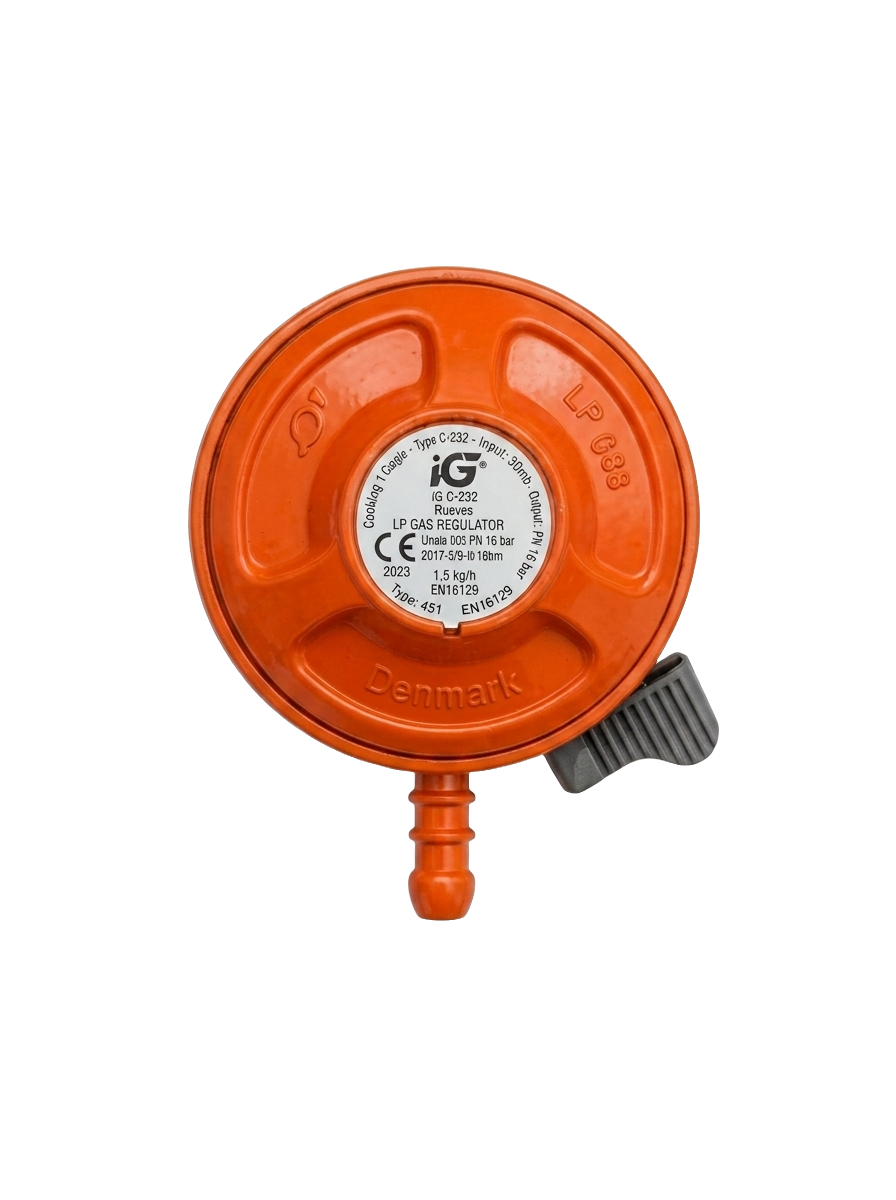
LPG Regulator Leak Test: How to Check for Leaks Using Soapy Water
An LPG regulator leak test is one of the simplest and most effective preventive maintenance procedures every LPG user should perform. Whether you use Liquefied Petroleum Gas (LPG) in a home, restaurant, hotel, school, hospital, or industrial facility, routinely checking the regulator can help identify leaks before they become serious fire or explosion hazards.
LPG has become one of the preferred energy sources across Kenya due to its clean combustion, affordability, and versatility. However, because LPG is stored under pressure, every component—including the cylinder valve, pressure regulator, hose, and appliance connection—must remain in good condition to ensure safe operation.
Related Products
A monthly LPG regulator leak test using a simple soapy water solution requires no specialised tools and can detect leaks around regulator connections, cylinder valves, threaded fittings, and flexible hoses. While this inspection is suitable for routine household maintenance, commercial and industrial facilities should also schedule professional inspections to verify the integrity of the entire gas system.
Businesses requiring engineered LPG installations, gas safety audits, or leak detection solutions can explore our LPG engineering solutions or speak with our specialists for guidance on safe LPG system design and maintenance.
LPG Regulator Leak Test: Why It Is Important
An LPG regulator leak test helps detect escaping gas before it develops into a fire or explosion hazard. Regular testing improves operational safety, reduces the likelihood of gas-related incidents, and supports the reliable performance of LPG systems.
The regulator plays a critical role by reducing the high pressure inside the LPG cylinder to a safe operating pressure for connected appliances. If the regulator, sealing washer, or connecting fittings become worn or damaged, gas may escape even when appliances are switched off.
Since LPG vapour is heavier than air, leaked gas can accumulate in low-lying areas such as kitchen floors, storage rooms, or enclosed service spaces. If exposed to an ignition source, such as a spark or open flame, this accumulated gas can ignite rapidly.
Routine inspections significantly reduce these risks by allowing users to identify damaged components before they fail.
Common Causes of Regulator Leaks
| Cause | Possible Risk | Recommended Action |
|---|---|---|
| Loose regulator connection | Gas leakage | Reconnect correctly and perform another LPG regulator leak test |
| Damaged sealing washer | Continuous gas escape | Replace the sealing washer |
| Worn regulator | Poor pressure control and leakage | Install a new approved regulator |
| Corroded fittings | Reduced sealing performance | Arrange professional inspection |
| Incorrect installation | Unsafe operation | Reinstall using approved procedures |
Choosing high-quality components also contributes to long-term safety. Browse our range of industrial LPG equipment designed for domestic, commercial, and industrial LPG applications.
LPG Regulator Leak Test Before Using Your Gas Appliance
Before using any LPG appliance, carry out a visual inspection followed by an LPG regulator leak test whenever you detect a gas smell, replace a cylinder, or suspect damage to the regulator or hose.
Before beginning the inspection, check the following components carefully:
- LPG cylinder valve
- Pressure regulator
- Flexible gas hose
- Hose clips or clamps
- Appliance inlet connection
- Pipe joints and fittings
Look for signs such as:
- Cracked or brittle hoses
- Loose regulator connections
- Corrosion on fittings
- Damaged regulator housing
- Worn sealing washers
- Dirt or debris affecting valve connections
Commercial kitchens, hotels, hospitals, schools, and industrial facilities should incorporate these inspections into scheduled preventive maintenance programmes. Regular inspections help reduce equipment downtime while improving workplace safety and regulatory compliance.
Where higher levels of protection are required, consider installing our leak detection technologies to provide continuous monitoring and early warning of LPG leaks.
For larger LPG distribution networks, our advanced LPG piping systems provide durable, engineered solutions suitable for demanding commercial and industrial environments.
If you are unsure whether your LPG installation meets current safety requirements, request a professional engineering consultation from Megtraco Kenya Ltd. Our experienced engineers can assess your installation, recommend improvements, and help ensure compliance with applicable safety standards across Kenya and East Africa.
Contact Megtraco Kenya Ltd
If you require professional assistance with an LPG regulator leak test, LPG system inspection, regulator replacement, or a complete gas installation, Megtraco Kenya Ltd is ready to help. Our experienced engineering team provides certified LPG solutions for residential, commercial, industrial, and institutional projects across Kenya and East Africa.
Whether you need routine maintenance, leak detection, LPG pipeline installations, pressure regulators, or safety compliance support, we deliver reliable engineering solutions designed to improve safety, operational efficiency, and regulatory compliance.
Why Choose Megtraco Kenya Ltd?
- Established Since 1969 – Over five decades of LPG engineering excellence.
- EPRA Licensed LPG Engineering Company.
- KEBS-Compliant LPG Equipment and Components.
- Specialists in Commercial and Industrial LPG Systems.
- Professional LPG Leak Detection and Safety Inspections.
- Serving Nairobi, Mombasa, Kisumu, Nakuru, Eldoret, Thika, Machakos, and the wider East African region.
Get in Touch
Email: sales@megtracokenya.com
Sales: +254 725 870 114
Technical Support: +254 733 721 598
WhatsApp: +254 799 086 323
Location: Nairobi, Kenya – Serving Clients Across East Africa
Website: https://megtracokenya.com
You May Also Like

To learn more about our services, explore our LPG engineering solutions, browse our industrial LPG equipment, or request a professional engineering consultation.
Ready to discuss your project? Request a customized quotation today, and our engineering team will help you select the right LPG safety solution for your home, business, or industrial facility.
