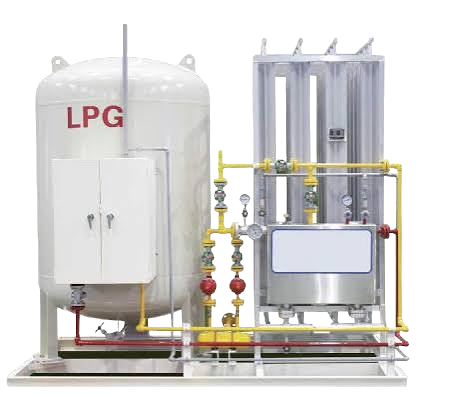
LPG gas leak safety tips Kenya are essential for anyone using Liquefied Petroleum Gas in homes, restaurants, hotels, institutions, and industrial facilities. LPG provides efficient and reliable energy for cooking, heating, and industrial processes, but it must always be handled as a pressurised flammable fuel requiring correct installation, maintenance, and emergency procedures.
A gas smell in a kitchen should never be ignored. Understanding what to do if you smell gas helps occupants respond correctly during the first critical moments after detecting a possible LPG leak. The correct approach is to remove ignition sources, isolate the gas supply where possible, improve ventilation, and seek assistance from qualified LPG professionals.
Related Products
Across Kenya and East Africa, increased LPG adoption has created a greater need for professional safety awareness, compliant installations, and reliable gas monitoring systems.
Megtraco Kenya Ltd provides our LPG engineering solutions for commercial and industrial users requiring safe LPG design, installation support, equipment supply, and technical consultation.
LPG Gas Leak Safety Tips Kenya: Immediate Emergency Response Steps
When an LPG leak is suspected, immediately stop using flames, avoid electrical switches, close the LPG valve if it is safe to reach, ventilate naturally, move people away from the affected area, and contact qualified LPG specialists. Never attempt to locate a leak using fire.
The priority during any LPG incident is protecting people before investigating equipment.
LPG Gas Leak Safety Tips Kenya: The First 60 Seconds After Detecting Gas
The first minute after detecting LPG odour is the most important period for preventing escalation. LPG vapour can accumulate quickly in enclosed spaces such as kitchens, cabinets, storage rooms, and poorly ventilated areas.
The recommended emergency sequence is:
| Time | Action | Purpose |
|---|---|---|
| 0–10 seconds | Stop cooking and recognise the LPG smell | Prevent further gas release |
| 10–20 seconds | Avoid flames and electrical switches | Remove ignition sources |
| 20–40 seconds | Close LPG valve if safely accessible | Reduce fuel supply |
| 40–60 seconds | Ventilate naturally and move occupants away | Improve safety conditions |
These actions form the foundation of effective LPG gas leak safety tips Kenya users should understand before an emergency occurs.
LPG Gas Leak Safety Tips Kenya for Homes and Commercial Kitchens
Safe LPG operation depends on correct installation, adequate ventilation, regular inspection, and proper user awareness. Residential and commercial kitchens should have clear emergency procedures and accessible shut-off points.
Common causes of LPG leaks include:
| Component | Possible Failure | Recommended Action |
| Cylinder valve | Damaged seal or connection | Stop use and inspect |
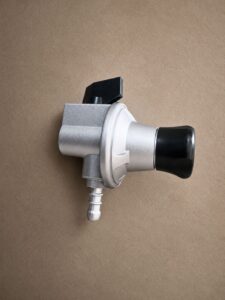
| Regulator | Fault or incorrect pressure control | Replace with approved equipment |
| Flexible hose | Cracking or deterioration | Replace immediately |
| Pipe fittings | Loose joints | Perform professional leak testing |
| Appliance connection | Incorrect installation | Arrange technical inspection |
Commercial kitchens require additional controls because they often operate:
- Multiple gas appliances
- Higher LPG consumption rates
- Continuous cooking schedules
- Hot surfaces near fuel systems
Megtraco Kenya Ltd supplies industrial LPG equipment designed for businesses requiring dependable and controlled LPG supply.
What to Do If You Smell Gas: First Response Actions(LPG gas leak safety tips Kenya)
If you smell gas, assume there is a possible LPG leak until proven otherwise. Do not search for the source using a flame or electrical equipment. Remove ignition risks, ventilate safely, and contact trained personnel.
Immediate actions include:
- Stop using the appliance.
- Do not light matches or cigarettes.
- Do not switch electrical devices on or off.
- Close the LPG valve if accessible.
- Move people away from the area.
- Contact qualified LPG professionals.
A gas smell is a warning signal that should always receive immediate attention.(LPG gas leak safety tips Kenya)
LPG Gas Leak Safety Tips Kenya: Understanding LPG Warning Signs
LPG leaks can often be identified through warning signs such as strong gas odour, hissing sounds near connections, abnormal appliance flames, or unexplained fuel consumption. Early detection reduces the chance of serious incidents.
LPG is naturally odourless, so manufacturers add odorants to make leaks detectable.
Important LPG characteristics include:
| LPG Property | Safety Consideration |
| Stored as liquid under pressure | Requires approved cylinders and equipment |
| Expands into vapour when released | Small leaks can create large vapour volumes |
| Heavier than air | Vapour may collect in low areas |
| Flammable when mixed with air | Ignition prevention is critical |
Professional monitoring systems improve early detection. Megtraco Kenya Ltd provides our leak detection technologies for commercial and industrial applications.
LPG Cylinder Leak Safety Precautions and Emergency Isolation
If an LPG cylinder, regulator, hose, or connection is suspected of leaking, stop using the equipment immediately. Shut off the supply only if it can be done safely and arrange professional inspection before reuse.
Key inspection points include:
- Cylinder valves
- Regulators
- Flexible hoses
- Pipe joints
- Appliance connections
Never attempt repairs using temporary materials such as tape or unapproved fittings.
CorrectLPG gas leak safety tips Kenya requires properly rated components, safe isolation points, and professional installation.
Megtraco Kenya Ltd provides advanced LPG piping systems for safe gas distribution in commercial and industrial environments.
LPG Gas Leak Safety Tips Kenya: Preventing Fire and Explosion Risks
Preventing LPG incidents requires a combination of correct equipment selection, professional installation, routine maintenance, and user training. Emergency response is important, but prevention provides the strongest safety protection.
Effective prevention measures include:
- Installing approved LPG equipment
- Maintaining ventilation requirements
- Inspecting hoses and regulators
- Using gas detection systems
- Training employees and operators
- Maintaining fire protection equipment
For industrial users requiring stable LPG supply, Megtraco Kenya Ltd provides high-performance LPG vaporizers and engineered LPG solutions.
LPG gas leak safety tips Kenya Compliance Requirements in Kenya
LPG installations in Kenya should follow applicable regulatory requirements and recognised safety standards. Professional engineering, approved components, and proper commissioning help reduce risks.
Important safety organisations include:
Energy and Petroleum Regulatory Authority (EPRA)
EPRA oversees petroleum sector activities in Kenya, including LPG-related licensing and operational requirements.
Kenya Bureau of Standards (KEBS)
KEBS supports product quality assurance and standards compliance for LPG equipment and related components.
Directorate of Occupational Safety and Health Services (DOSHS)
DOSHS supports workplace safety enforcement for commercial and industrial environments.
Megtraco Kenya Ltd provides professional engineering consultation for LPG design, installation support, safety assessments, and system improvements.
Commercial LPG gas leak safety tips for Kenya Businesses
Commercial LPG users require engineered safety systems because higher fuel demand increases operational risks. Restaurants, hotels, hospitals, and factories need reliable detection, isolation, and fire protection measures.
Recommended safety solutions include:
- LPG gas leak safety tips Kenya detection systems
- Emergency shut-off controls
- Fire suppression equipment
- Preventive maintenance programmes
- Staff emergency training
Megtraco Kenya Ltd provides commercial fire safety systems to help businesses strengthen LPG risk management.
Contact Megtraco Kenya Ltd for LPG Safety & Engineering Support
If you have experienced an LPG smell, require a gas safety inspection, or need professional guidance on upgrading your kitchen, commercial, or industrial LPG installation, Megtraco Kenya Ltd is ready to assist.
Our engineering team provides expert support for LPG system design, installation, leak detection, safety equipment, fire protection solutions, and compliance-focused upgrades for residential, commercial, and industrial facilities across Kenya and East Africa.
Contact Megtraco Kenya Ltd
Email: sales@megtracokenya.com
Sales: +254 725 870 114
Technical Support: +254 733 721 598
WhatsApp: +254 799 086 323
You May Also Like

Location: Nairobi, Kenya – Serving East Africa
For LPG emergencies, system assessments, safety upgrades, or professional engineering consultation, contact Megtraco Kenya Ltd and work with experienced LPG specialists committed to safe, reliable, and compliant energy solutions.
