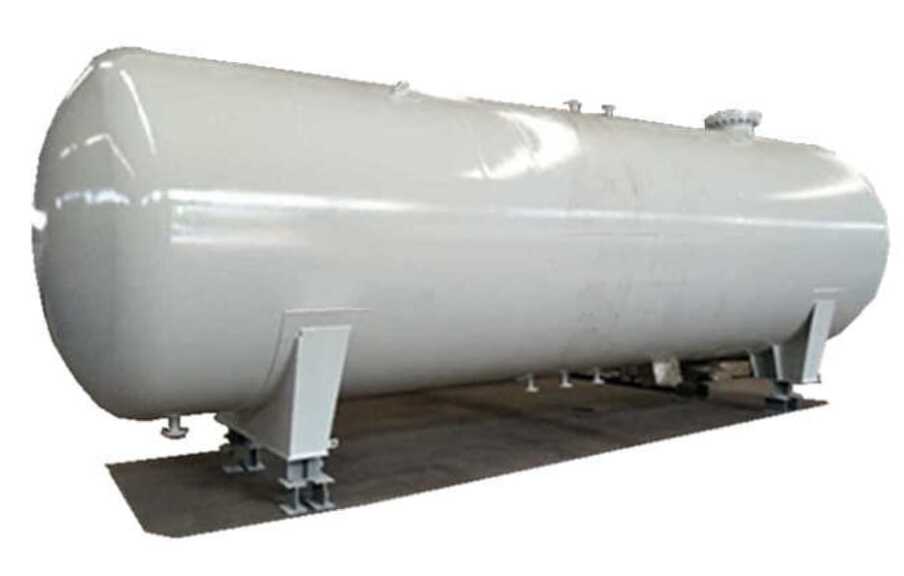
LPG for hotels Kenya provides a practical energy solution for commercial kitchens, laundry operations, hot-water systems, heating applications and selected industrial processes. For safari lodges operating away from major towns, the challenge is not simply selecting LPG equipment; it is designing storage capacity, delivery logistics, safety systems and redundancy that can maintain supply when replenishment is delayed.
Hotels and safari lodges have an unusual energy requirement.
Related Products
Their demand can be highly variable.
Breakfast service creates one demand profile.
Lunch creates another.
Dinner can create a significant evening peak.
Laundry, hot-water production and other thermal loads can continue consuming fuel outside normal kitchen hours.
For a city hotel, replenishment may be relatively straightforward.
For a remote safari lodge, it can be considerably more complicated.
A road closure, heavy rainfall, vehicle breakdown, poor road conditions, delayed LPG delivery or unexpected increase in occupancy can create a fuel shortage.
This makes safari lodge gas supply a logistics and engineering problem rather than simply a fuel-purchasing decision.
A reliable system must answer several questions:
- How much LPG does the facility consume?
- How much storage is required?
- How frequently can deliveries reach the property?
- What happens if the next delivery is delayed?
- Is there automatic or manual changeover?
- Are critical appliances separated from non-critical loads?
- Can the LPG installation operate safely during generator or grid outages?
- How quickly can the supplier respond to an emergency?
- Is the installation designed for future expansion?
These questions become particularly important for facilities located in national parks, conservancies, reserves and other remote destinations.
What Is LPG for Hotels Kenya?
LPG for hotels Kenya refers to the use of liquefied petroleum gas as a commercial fuel for hospitality facilities, including hotels, resorts, camps and safari lodges. Depending on the facility’s size, LPG can supply kitchens, water heating, laundry equipment and other thermal applications through cylinder or bulk storage systems.
LPG is particularly suitable for hospitality because it provides:
- High energy density
- Rapid heat response
- Clean combustion compared with many traditional solid fuels
- Compact storage
- Flexible installation options
- Reliable cooking performance
- Compatibility with commercial appliances
For smaller facilities, cylinder supply may be practical.
For larger hotels and high-demand lodges, bulk storage can provide better operational continuity.
The correct system depends on:
- Number of guests
- Kitchen capacity
- Appliance load
- Operating hours
- Hot-water demand
- Laundry requirements
- Delivery distance
- Storage location
- Site accessibility
- Available space
- Future expansion
Why Hotels Need a Reliable LPG Supply
Hotels cannot easily tolerate fuel interruptions because kitchen operations, hot-water production and guest services depend on continuous thermal energy. A properly engineered LPG supply system combines sufficient storage, reliable delivery, appropriate pressure regulation and backup capacity to reduce the risk of operational disruption.
A fuel shortage can affect much more than the kitchen.
It can disrupt:
- Breakfast preparation
- Restaurant service
- Room-service operations
- Staff meals
- Hot-water generation
- Laundry
- Baking
- Catering events
- Conference services
For a five-star hotel, restaurant or safari lodge, a gas interruption can become a direct guest-experience problem.
This is why LPG for hotels Kenya should be designed around operational continuity rather than average daily consumption alone.
Why Safari Lodges Have Different LPG Requirements
Safari lodges often operate in remote locations where fuel deliveries take longer and access can be affected by weather, road conditions and distance from LPG distribution infrastructure. Their gas systems therefore need carefully calculated storage capacity and delivery schedules, with sufficient reserve to cover realistic logistical delays.
A lodge may be located:
- Several hours from a major town
- On rough access roads
- Within a conservancy
- Near a national park
- In an area affected by seasonal rainfall
- Far from an LPG distribution depot
This changes the engineering calculation.
A city hotel might tolerate a short delivery delay.
A remote lodge may not.
For remote LPG delivery, the important question is therefore not:
“How much LPG do we consume per day?”
It is:
“How much LPG must we safely hold to remain operational until the next realistic delivery opportunity?”
Estimating Hotel LPG Consumption
Hotel LPG demand should be calculated from actual appliance loads, operating schedules and occupancy patterns rather than relying solely on generic consumption estimates. The design should consider peak demand, seasonal occupancy, kitchen operating hours, hot-water requirements and future expansion.
A basic assessment should identify:
Kitchen equipment
- Commercial cookers
- Ovens
- Ranges
- Grills
- Fryers
- Baking equipment
- Steam equipment
Hot-water equipment
- LPG water heaters
- Boilers
- Calorifiers
- Commercial hot-water systems
Laundry
- Dryers
- Pressing equipment
- Steam generation
Other thermal applications
- Space heating where applicable
- Food-processing equipment
- Outdoor catering
- Staff facilities
The engineer should determine both:
connected load
and
expected simultaneous load.
A kitchen may contain ten LPG appliances without operating all ten at maximum capacity simultaneously.
This distinction is important when sizing regulators, pipework and storage systems.
Peak Demand Versus Average Consumption
Average LPG consumption determines how frequently fuel must be replenished, while peak gas demand influences regulator, pipework and vaporisation capacity. A reliable hotel LPG installation must account for both values because adequate storage alone cannot compensate for an undersized gas-delivery system.
Consider a lodge with:
- High breakfast demand
- Moderate lunch demand
- High dinner demand
- Continuous hot-water consumption
Its average daily consumption may look manageable.
But the dinner period could produce a substantial instantaneous demand.
That affects:
- Pipe diameter
- Regulator capacity
- Vaporisation capacity
- Changeover equipment
- Appliance pressure
- Storage configuration
This is why LPG system design should not be based solely on monthly fuel invoices.
Bulk LPG for Hotels
Bulk LPG storage is generally more appropriate for hotels and large safari lodges where consumption is sufficiently high to justify on-site storage and scheduled tanker deliveries. Properly sized bulk storage can reduce handling requirements and provide greater fuel autonomy than frequent cylinder replacement.
A bulk system may include:
- LPG storage tank
- Filling connection
- Isolation valves
- Pressure-relief devices
- Liquid withdrawal or vapour withdrawal arrangement
- Regulators
- Gas trains
- Pipework
- Gas detection
- Emergency shutdown
- Fire protection
- Tank foundations
- Protective barriers
The tank capacity should be determined from consumption and delivery logistics.
It should not simply be selected because it is the largest available option.
Oversizing can create unnecessary capital costs and space requirements.
Undersizing can create frequent delivery dependence.
LPG Storage for Lodges
LPG storage for lodges should provide sufficient operational reserve while remaining consistent with site constraints, safety requirements and delivery logistics. Remote facilities generally benefit from greater fuel autonomy because replenishment may be delayed by distance, weather or access conditions.
The storage calculation should consider:
- Average daily consumption
- Peak seasonal consumption
- Minimum reserve
- Delivery lead time
- Road accessibility
- Supplier response time
- Maximum safe filling level
- Tank location
- Future demand
A lodge that consumes more LPG during peak tourist seasons should not size its storage based only on low-season averages.
How Much LPG Reserve Does a Safari Lodge Need?
A safari lodge should maintain a reserve based on realistic consumption and the maximum credible delivery delay rather than an arbitrary number of days. The reserve should reflect road conditions, supplier lead time, seasonal demand and the operational consequences of running out of LPG.
A simplified planning calculation is:
Required reserve = Peak daily consumption × required autonomy period
For example, if an installation consumes 250 kg per day during a high-demand period and the engineering assessment requires seven days of autonomy:
250 × 7 = 1,750 kg
This is only a planning calculation.
Actual storage capacity must account for:
- Maximum permitted filling level
- Usable LPG quantity
- Tank configuration
- Vaporisation requirements
- Safety distances
- Applicable standards
- Delivery strategy
The engineering design should therefore distinguish between tank water capacity, LPG storage capacity and usable operational inventory.
LPG Delivery Logistics for Remote Lodges
Remote LPG delivery requires more planning than urban hotel supply because distance, road conditions and seasonal access can significantly affect replenishment. A lodge should establish delivery triggers, emergency contacts, minimum stock levels and realistic lead times instead of waiting until the tank is nearly empty.
A reliable delivery strategy should define:
- Normal reorder point
- Emergency reorder point
- Minimum reserve
- Supplier lead time
- Delivery vehicle requirements
- Site access requirements
- Offloading procedures
- Contact persons
- Emergency escalation
The lodge should also know its consumption trend.
If the tank is being consumed faster than normal, the procurement team should know before the reserve becomes critical.
Remote LPG Delivery During Rainy Seasons
Rain can materially affect LPG logistics for remote properties because unpaved roads can become difficult or temporarily inaccessible. A lodge in a remote area should therefore increase attention to inventory forecasting before periods when road access is likely to deteriorate.
Seasonal planning may involve:
- Reviewing historical consumption
- Checking road conditions
- Increasing minimum reserve
- Scheduling deliveries earlier
- Coordinating with local logistics teams
- Maintaining emergency supplier contacts
The objective is not to stockpile LPG unnecessarily.
It is to maintain a reasonable safety margin against foreseeable logistical disruption.
Automatic LPG Changeover Systems
Automatic LPG changeover systems allow a gas installation to switch between supply sources or banks when the active supply reaches a defined changeover condition. They can reduce manual intervention and help maintain gas availability, making them particularly useful for hospitality facilities where kitchen operations cannot easily stop for cylinder-bank replacement.
For cylinder-based systems, an automatic changeover arrangement may use:
- Primary cylinder bank
- Reserve cylinder bank
- Changeover regulator
- Pressure indication
- Isolation valves
- Manifold
- Distribution pipework
When the primary bank becomes depleted, the system switches to the reserve bank.
Staff can then arrange replenishment without immediately interrupting the gas supply.
This provides operational continuity.
Bulk LPG and Redundancy
Bulk LPG systems can also be designed with redundancy, depending on demand and site requirements. Redundancy may involve multiple storage vessels, independent supply paths, reserve cylinder banks or other engineered arrangements that allow critical operations to continue when one part of the system is unavailable.
Redundancy is particularly valuable for:
- Large hotels
- Hospitals
- Remote lodges
- Large kitchens
- Catering facilities
- High-occupancy resorts
The correct redundancy strategy depends on the consequences of interruption.
Not every installation needs two complete LPG systems.
But critical facilities should assess what happens if:
- The main regulator fails.
- The delivery is delayed.
- One tank becomes unavailable.
- A valve requires maintenance.
- A pipe section must be isolated.
LPG Vapourisation Capacity
LPG storage capacity and LPG vaporisation capacity are separate design considerations. A tank may contain sufficient fuel but still fail to supply the required gas flow if its natural vaporisation rate is inadequate for the connected peak load, particularly during high-demand periods or under challenging ambient conditions.
Natural vaporisation depends on factors including:
- LPG level
- Tank surface area
- Ambient temperature
- LPG composition
- Heat transfer
- Withdrawal rate
If the demand exceeds natural vaporisation capability, an engineered LPG vaporizer may be required.
Megtraco provides high-performance LPG vaporizers for applications where controlled gasification is required.
This can be especially important for high-demand hospitality facilities.
LPG Vaporizers for Large Hotels
LPG vaporizers convert liquid LPG into vapour at a controlled rate to support applications with gas demand beyond what natural tank vaporisation can reliably provide. They can improve supply stability for high-load commercial kitchens, boilers and other thermal systems when correctly sized and installed.
A vaporizer system may include:
- Liquid LPG supply
- Vaporizer
- Control system
- Safety shutoff
- Pressure regulation
- Gas outlet
- Monitoring instruments
The design must account for:
- Required gas flow
- LPG pressure
- Operating temperature
- Safety controls
- Electrical supply where required
- Installation environment
- Maintenance requirements
For remote lodges, reliability of the vaporizer itself must also be considered.
LPG Pipework for Hotels and Lodges
Hotel LPG pipework must deliver the required gas flow to every appliance at the correct pressure while maintaining safe routing and adequate mechanical protection. Remote installations should also consider long pipe runs, pressure drop, access, corrosion protection and future expansion when selecting pipe sizes and materials.
Long-distance distribution can introduce significant pressure losses.
The engineer should evaluate:
- Pipe length
- Pipe diameter
- Gas flow
- Operating pressure
- Fittings
- Elevation changes
- Appliance requirements
An undersized pipe can produce:
- Pressure drop
- Poor burner performance
- Unstable flames
- Appliance shutdown
- Reduced thermal output
Correct sizing is therefore essential.
LPG Gas Trains for Hotel Kitchens
A commercial LPG gas train controls and conditions gas before it reaches an appliance or burner system. Depending on the equipment, it can incorporate isolation, filtration, pressure regulation, safety shutoff and monitoring functions to help ensure that appliances receive gas within their specified operating range.
Large commercial kitchens may require gas trains for:
- Boilers
- Ovens
- Burners
- Cooking ranges
- Industrial heating equipment
The gas train should be matched to:
- Gas pressure
- Flow rate
- Burner requirements
- Safety controls
- Appliance manufacturer specifications
Megtraco’s LPG gas train equipment can be considered as part of an engineered commercial LPG system.
LPG for Hotel Kitchens
LPG is particularly effective for hotel kitchens because commercial burners can deliver rapid and controllable heat. However, the gas installation must be sized around the combined appliance load, ventilation, gas pressure, emergency isolation and fire-safety requirements rather than treating each appliance as an independent installation.
A hotel kitchen should have a documented appliance schedule.
The schedule can include:
| Appliance | Quantity | Gas Input | Operating Hours | Simultaneous Demand |
|---|---|---|---|---|
| Commercial cooker | 3 | Manufacturer specified | Peak meal periods | High |
| Oven | 2 | Manufacturer specified | Meal preparation | Medium/high |
| Fryer | 2 | Manufacturer specified | Meal periods | Medium |
| Griddle | 1 | Manufacturer specified | Meal periods | Medium |
| Boiler | 1 | Manufacturer specified | Scheduled operation | Variable |
| Water heater | 1 | Manufacturer specified | Extended | Variable |
The actual input values should come from equipment nameplates or manufacturer documentation.
LPG for Hotel Hot-Water Systems
LPG can provide rapid thermal energy for hotel hot-water systems, particularly where hot-water demand varies substantially throughout the day. The system should be sized according to peak demand, storage requirements, recovery rate and the number of simultaneous users.
Hot-water demand may increase sharply:
- In the morning
- During evening guest routines
- During conferences
- During peak occupancy
A hotel can therefore have a large thermal demand even when its kitchen is operating normally.
This demand should be incorporated into the overall LPG load assessment.
LPG for Laundry Operations
Hotels and lodges with LPG-fired dryers, boilers or steam systems should include laundry demand in the overall LPG consumption model. Excluding laundry can result in undersized storage and unexpected fuel shortages when guest occupancy and linen-processing requirements increase.
Laundry operations may include:
- Dryers
- Steam boilers
- Pressing systems
- Hot-water systems
The engineering assessment should identify which equipment operates simultaneously.
LPG for Off-Grid Safari Lodges
Off-grid LPG supply is particularly useful for safari lodges because LPG can provide dependable thermal energy without requiring connection to a natural-gas network. The LPG system can operate alongside solar, battery, generator and other energy systems, with LPG serving high-temperature or high-demand applications where appropriate.
An off-grid lodge may have:
- Solar photovoltaic systems
- Battery storage
- Diesel generators
- LPG
- Solar water heating
- Heat pumps
- Other renewable technologies
These systems should not necessarily compete.
They can complement each other.
For example:
Solar can support electrical loads.
Batteries can support low-power electrical requirements.
Generators can provide electrical backup.
LPG can provide high-temperature thermal energy for cooking and other applications.
LPG and Generator Systems
LPG systems can operate independently of a property’s electrical generation system for appropriately designed gas appliances. This makes LPG valuable in off-grid facilities because a power outage does not automatically eliminate cooking or other direct-gas thermal services, provided the LPG system’s own safety and control requirements remain functional.
However, some LPG equipment may require electricity.
Examples include:
- Electric control systems
- Gas detection
- Automatic valves
- Vaporizers
- Pumps
Critical installations should therefore identify which components require electrical power.
Where necessary, safety-critical controls can be connected to an appropriate backup power strategy.
LPG Safety in Safari Lodges
Safari lodges require the same fundamental LPG safety discipline as urban commercial facilities, but remote locations make emergency preparedness especially important. Safe separation, ventilation, emergency isolation, gas detection, fire protection, staff training and clear operating procedures should be integrated into the installation.
The system should provide appropriate controls for:
- Gas leaks
- Fire
- Overpressure
- Unauthorised access
- Vehicle impact
- Equipment failure
- Emergency shutdown
Remote location does not reduce the importance of safety.
It increases the importance of preparedness.
LPG Gas Detection for Hotels
Gas detection can provide an additional layer of protection by identifying LPG concentrations before they develop into a more serious incident. Detector placement should be based on LPG properties, room configuration, ventilation and the potential leak sources rather than simply installing detectors at arbitrary locations.
LPG is heavier than air under many normal conditions and can accumulate in low areas where ventilation is inadequate.
Detection strategy should therefore consider:
- Appliance locations
- Low-level accumulation
- Ventilation
- Enclosed spaces
- Pipe routes
- Regulators
- Manifolds
Megtraco’s leak detection technologies can form part of an engineered gas-safety system.
Emergency LPG Shutoff
An emergency LPG shutoff system allows gas flow to be isolated rapidly during a hazardous condition. Hotel and lodge installations should provide appropriately located isolation points so trained personnel can respond quickly without needing to approach the immediate hazard unnecessarily.
Emergency isolation should be considered for:
- Main LPG supply
- Kitchen
- Boiler room
- Separate buildings
- High-risk appliance zones
The exact arrangement depends on the installation layout and applicable requirements.
Staff should know:
Where the shutoff is.
How it works.
When it should be used.
Fire Protection Around LPG Storage
LPG storage areas require appropriate fire-safety measures based on the installation design, storage quantity, site layout and applicable regulations and standards. Fire protection should be coordinated with LPG storage, emergency access and separation requirements rather than added after the installation is complete.
The fire strategy may include:
- Portable extinguishers
- Hydrant systems
- Fire-water infrastructure
- Detection
- Emergency shutdown
- Fixed suppression where required
Applicable Kenyan requirements should be assessed alongside internationally recognised fire-safety standards where appropriate.
NFPA 58 is a key international reference for LP-Gas storage, handling and use.
LPG Installation Layout for Safari Lodges
The layout of an LPG installation should separate storage and high-risk equipment from guest areas and other hazards while maintaining access for delivery, inspection, emergency response and maintenance. Remote lodge layouts should also consider wildlife, vehicles, staff movement and site security.
The engineer should consider:
- Tank location
- Delivery vehicle access
- Guest areas
- Kitchen location
- Generator location
- Electrical equipment
- Roads
- Drainage
- Emergency access
- Fire response
The installation should be designed as part of the property rather than as an isolated tank location.
LPG Delivery and Tanker Access
A bulk LPG installation is only as reliable as its delivery strategy. Tanker access should be assessed during design to confirm that delivery vehicles can safely reach the filling point, position appropriately and leave the site without creating unnecessary traffic or emergency-access problems.
For remote lodges, the access route should be reviewed for:
- Road width
- Turning radius
- Ground conditions
- Bridges
- Slopes
- Seasonal accessibility
- Vehicle loading
- Reversing requirements
A beautiful tank location that cannot be safely reached by the delivery vehicle is not a practical installation.
Hotel LPG Maintenance Schedule
Preventive maintenance helps hotels and safari lodges identify equipment deterioration before it causes a gas interruption or safety incident. The programme should cover storage equipment, regulators, pipework, valves, detection systems, fire protection and documentation according to applicable requirements and manufacturer recommendations.
| Equipment | Maintenance Focus | Typical Trigger |
|---|---|---|
| LPG tank | Visual condition, corrosion, fittings | Scheduled inspection |
| Regulators | Pressure and condition | Scheduled service |
| Valves | Operation and leakage | Routine inspection |
| Pipework | Corrosion, supports, leaks | Routine inspection |
| Gas detectors | Functional test | Manufacturer schedule |
| Emergency shutoff | Functional operation | Planned testing |
| Fire equipment | Condition and service status | Scheduled inspection |
| Gas appliances | Burner and safety controls | Manufacturer schedule |
| Vaporizer | Performance and safety controls | Manufacturer schedule |
| Manifold | Connections and corrosion | Routine inspection |
The exact frequency should be established according to equipment manufacturer instructions, applicable standards and regulatory requirements.
Commissioning a Hotel LPG Installation
Commissioning confirms that the LPG installation has been installed correctly, tested appropriately and is ready for controlled operation. For hospitality facilities, commissioning should verify pipework integrity, pressure regulation, appliance performance, emergency isolation, detection, fire protection and operational documentation.
A commissioning programme may include:
- Installation inspection
- Pressure testing
- Tightness testing
- Leak detection
- Regulator verification
- Valve testing
- Appliance testing
- Emergency shutdown testing
- Gas detector testing
- Fire-system verification
- Staff training
- Documentation handover
The installation should not be treated as complete simply because gas reaches the appliances.
Staff Training for Hotel LPG Systems
Staff training is an important part of LPG reliability because hotel personnel interact with appliances, isolation valves and emergency procedures every day. Training should cover normal operation, recognising abnormal conditions, emergency isolation, leak response and reporting of equipment defects.
Relevant staff may include:
- Chefs
- Kitchen managers
- Maintenance teams
- Security staff
- Housekeeping supervisors
- Lodge managers
- Engineering personnel
Training should be practical.
Staff should know where:
- Main isolation valves are located
- Emergency contacts are displayed
- Fire equipment is positioned
- Gas detectors are installed
- Cylinder banks are located
Common LPG Supply Mistakes in Hotels
Hospitality LPG problems often result from poor demand estimation, insufficient reserve, undersized pipework, inadequate maintenance or weak delivery planning. Remote lodges are particularly vulnerable when procurement teams treat LPG as a routine consumable instead of an operationally critical energy supply.
Common mistakes include:
Ordering LPG only when the tank is nearly empty
This leaves little margin for delivery delays.
Designing around average consumption
Peak demand can be much higher.
Ignoring hot-water loads
Hotels can consume substantial LPG outside kitchen operations.
Undersizing pipework
Pressure drop can affect appliance performance.
No emergency supply strategy
A remote lodge may be unable to obtain fuel immediately.
Poor tanker access
Delivery problems can become fuel shortages.
No consumption monitoring
Unexpected increases in LPG demand can go unnoticed.
Failing to plan for expansion
Adding kitchen equipment later can overload the original system.
Improving LPG Reliability for Safari Lodges
Reliable safari lodge gas supply depends on combining correct engineering design with disciplined fuel management. Storage capacity, delivery scheduling, consumption monitoring, reserve levels, equipment redundancy and preventive maintenance should operate as one integrated system.
A robust strategy includes:
Demand forecasting
Know daily and seasonal consumption.
Inventory monitoring
Track LPG levels rather than relying on estimates.
Delivery planning
Schedule deliveries before reaching critical reserve.
Redundancy
Protect critical operations from single-point failures.
Maintenance
Service equipment before failure.
Training
Ensure staff can respond appropriately.
Emergency planning
Know what happens if a delivery or major component fails.
Designing a Future-Proof Hotel LPG System
A hotel LPG system should be designed with future capacity in mind because hospitality facilities often expand kitchens, rooms, laundry operations and hot-water systems. Allowing for future demand during the initial engineering phase can avoid expensive pipework, storage and regulator modifications later.
Expansion planning should consider:
- Additional kitchen appliances
- New accommodation blocks
- Laundry expansion
- Larger hot-water systems
- Catering facilities
- Conference facilities
- Additional restaurants
A good design does not necessarily install all future equipment immediately.
Instead, it can provide an engineered pathway for expansion.
Engineering Standards and Compliance
Hotel and safari-lodge LPG installations in Kenya must be designed, installed, tested and operated in accordance with applicable Kenyan regulatory requirements and relevant technical standards. EPRA, KEBS and occupational and fire-safety requirements should be incorporated into the project from the design stage rather than treated as a final approval exercise.
EPRA regulates petroleum-sector activities in Kenya, including relevant LPG activities and licensing requirements.
KEBS provides standards and conformity-assessment frameworks relevant to LPG equipment and related products.
Occupational safety requirements administered through the Directorate of Occupational Safety and Health Services should also be considered where applicable.
International references such as NFPA 58 can provide additional technical guidance for LP-Gas systems, subject to their applicability and the requirements of Kenyan law and authorities having jurisdiction.
Frequently Asked Questions
What is the best LPG system for a safari lodge?
The best system depends on consumption, location, delivery access and required autonomy. High-consumption lodges often benefit from bulk LPG storage with appropriate regulation, monitoring and reserve capacity, while smaller properties may use cylinder-bank systems with automatic changeover.
Why is LPG suitable for hotels in Kenya?
LPG provides high-density thermal energy for commercial kitchens, hot-water systems, laundry equipment and other applications. It can also operate independently of the electrical grid for direct-gas appliances, making it useful for hotels and remote lodges.
How does remote LPG delivery work?
Remote LPG delivery requires scheduled replenishment based on consumption, tank level, delivery lead time and site accessibility. Lodges should establish minimum stock levels and reorder points that provide sufficient reserve for weather or road-related delivery delays.
How much LPG storage does a hotel need?
Storage requirements depend on consumption, peak demand, delivery frequency, required autonomy, site limitations and applicable safety requirements. The storage system should be calculated from actual or projected demand rather than selecting capacity solely by property size.
Can LPG supply continue during a power outage?
Direct-gas appliances can continue operating without grid electricity if their associated controls do not require electrical power. Systems using electrically powered vaporizers, detectors or automated valves require an appropriate electrical backup strategy where continuity is essential.
Is bulk LPG better than cylinders for hotels?
Bulk LPG can be more practical for high-consumption hotels because it reduces manual cylinder handling and can provide greater storage autonomy. Cylinder systems can remain suitable for smaller facilities or locations where bulk delivery infrastructure is impractical.
Do safari lodges need LPG backup systems?
Not every lodge requires a duplicate LPG system, but remote facilities should assess the consequences of supply interruption. Reserve storage, automatic changeover, multiple supply sources or other redundancy measures may be justified where interruption would seriously affect operations.
How can hotels prevent LPG shortages?
Hotels can reduce shortage risk through consumption monitoring, appropriate storage capacity, defined reorder points, scheduled deliveries, seasonal forecasting and emergency supplier arrangements. Remote properties should maintain additional planning margin because delivery delays can be harder to resolve.
What is the role of an LPG vaporizer in a hotel?
An LPG vaporizer converts liquid LPG into vapour at a controlled rate when natural vaporisation from the storage vessel cannot reliably satisfy peak gas demand. Vaporizers can support large commercial kitchens, boilers and other high-demand applications.
How often should hotel LPG systems be maintained?
Maintenance frequency depends on equipment type, manufacturer requirements, applicable standards, operating conditions and regulatory obligations. Safety-critical components should be inspected and tested according to the relevant maintenance programme rather than waiting for failure.
What should a safari lodge do if an LPG delivery is delayed?
The lodge should monitor its remaining inventory against the expected consumption rate, activate its emergency supplier or logistics plan where necessary and reduce non-critical consumption if appropriate. The installation should be designed with sufficient reserve to avoid reaching an unsafe operating condition.
Engineering Conclusion
LPG for hotels Kenya is most reliable when fuel storage, gas distribution, safety engineering and delivery logistics are designed as one system. For remote safari lodges, additional reserve capacity, accurate consumption forecasting, reliable delivery arrangements and appropriate redundancy can protect operations from fuel shortages and infrastructure failures.
Hospitality facilities should not view LPG as simply another purchased commodity.
It is an operational utility.
When LPG supply stops, kitchens can stop.
Hot-water systems can stop.
Laundry operations can stop.
Guest services can be affected.
The engineering objective should therefore be continuity with safety.
For hotels and lodges, that means:
- Correct demand assessment
- Proper storage sizing
- Adequate reserve
- Correct pipe sizing
- Appropriate pressure regulation
- Reliable gas trains
- Effective leak detection
- Emergency isolation
- Fire protection
- Preventive maintenance
- Staff training
- Planned delivery logistics
For remote properties, the delivery strategy is just as important as the equipment.
A technically excellent LPG installation can still fail operationally if the tank reaches a critical level before the delivery vehicle can reach the lodge.
That is why safari lodge gas supply should be designed around real-world logistics.
Megtraco Kenya Ltd provides customized engineering solutions for commercial and industrial LPG applications, including equipment, gas distribution systems, safety infrastructure and technical support.
For facilities requiring industrial LPG equipment, the system should be selected according to actual demand, operating environment and required reliability.
For projects where continuous gas availability is critical, a professional engineering assessment can identify the appropriate combination of storage, regulation, vaporisation, redundancy and delivery planning.
The result is a hotel or safari lodge LPG system designed not merely to supply gas, but to support safe, predictable and continuous hospitality operations.
Your Trusted LPG & Fire Safety Engineering Partner in East Africa
Whether you’re designing a new LPG installation, upgrading industrial gas systems, or enhancing fire safety compliance, Megtraco Kenya Ltd delivers certified engineering solutions backed by decades of expertise. From LPG equipment supply and pipeline installations to fire suppression and detection systems, our experienced team provides reliable solutions for commercial, industrial, and institutional projects across East Africa.
Contact us today for professional consultation, engineering support, or a customized quotation.
WHY CHOOSE MEGTRACO KENYA LTD
You May Also Like

- ✔ Established Since 1969 – Decades of proven engineering excellence.
- ✔ KEBS Certified Products – Guaranteed quality and compliance with regional standards.
- ✔ EPRA Licensed LPG Engineering Company – Fully certified to design, install, and commission.
- ✔ Industrial & Commercial LPG Specialists – Scaled to handle heavy-duty thermal requirements.
- ✔ Fire Suppression & Fire Detection Experts – End-to-end asset protection.
- ✔ Regional Operational Footprint – Serving Nairobi, Mombasa, Kisumu, Nakuru, Eldoret, Thika, Machakos, East Africa, and beyond.
Contact Megtraco Kenya Ltd
- Email: sales@megtracokenya.com
- Sales: +254 725 870 114
- Technical: +254 733 721 598
- WhatsApp: +254 799 086 323
- Location: Nairobi, Kenya – Serving East Africa
- Website: https://megtracokenya.com
Request a Quote today and partner with East Africa’s trusted LPG and fire safety engineering company since 1969.
