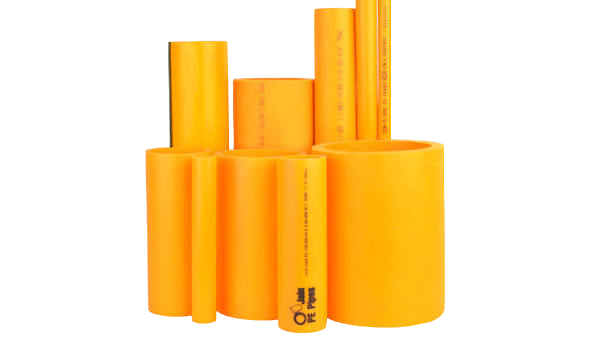
Modern LPG infrastructure demands underground piping systems that combine durability, safety, and long-term reliability. HDPE LPG Pipe has become the preferred solution for underground gas distribution because it offers exceptional resistance to corrosion, chemical attack, ground movement, and environmental degradation. Engineered for direct burial, HDPE LPG Pipe provides a leak-resistant and maintenance-friendly alternative to conventional metallic gas pipelines.
Across Kenya and the wider East African region, industries, commercial developments, residential estates, healthcare institutions, hospitality facilities, and educational campuses are increasingly adopting HDPE LPG Pipe for centralized gas distribution networks. Its flexibility, fusion-welded joints, and long service life make it ideal for projects that require dependable underground gas infrastructure while minimizing maintenance costs and operational disruptions.
Related Products
As part of our LPG engineering solutions, Megtraco Kenya Ltd supplies premium HDPE LPG Pipe systems designed for commercial, industrial, and institutional LPG installations throughout Nairobi, Mombasa, Kisumu, Nakuru, Eldoret, Thika, Machakos, Uganda, Tanzania, and Rwanda.
Technical Industry Overview
What Is HDPE LPG Pipe?
HDPE LPG Pipe is a high-density polyethylene (PE100) piping system specifically designed for the safe transportation of liquefied petroleum gas through underground distribution networks. Its corrosion-resistant construction, flexible design, and fusion-welded joints make it one of the safest and most durable solutions for modern LPG infrastructure.
Unlike conventional steel piping, HDPE LPG Pipe does not rust, corrode, or require cathodic protection when buried underground. It is engineered to withstand moisture, aggressive soils, chemical exposure, and ground movement while maintaining structural integrity over decades of continuous service.
Typical characteristics of HDPE LPG Pipe include:
- PE100 high-density polyethylene construction
- Direct burial capability
- Corrosion-free performance
- Leak-free electrofusion and butt fusion joints
- Excellent flexibility
- High impact resistance
- Smooth internal bore for efficient gas flow
- Low maintenance requirements
- Design life exceeding 50 years under proper installation conditions
To build a complete underground LPG distribution network, HDPE LPG Pipe can be integrated with advanced LPG piping systems, pressure regulation equipment, and gas isolation valves for safe and efficient fuel delivery.
Why Choose HDPE LPG Pipe for Underground Gas Lines?
HDPE LPG Pipe is the preferred choice for underground gas lines because it offers outstanding corrosion resistance, exceptional durability, and leak-free fused joints. These features help improve system reliability while reducing lifecycle maintenance costs and minimizing the risk of gas leaks.
Compared to traditional metallic pipelines, HDPE LPG Pipe delivers several engineering advantages:
- Corrosion-resistant construction for underground installations
- High resistance to chemicals and moisture
- Flexible design that accommodates soil settlement and ground movement
- Fusion-welded joints that eliminate many potential leak points
- Lightweight material for easier transportation and installation
- Reduced maintenance compared to steel piping
- Excellent hydraulic performance due to a smooth internal surface
- Long operational lifespan with minimal degradation
These characteristics make HDPE LPG Pipe particularly well suited for Kenya’s diverse geological conditions, including expansive clay soils, rocky terrain, coastal environments, and rapidly developing urban infrastructure.
Organizations planning underground LPG infrastructure can benefit from a professional engineering consultation to determine the correct pipe diameter, pressure rating, and installation methodology based on project requirements.
Key Features of HDPE LPG Pipe
Professionally engineered HDPE LPG Pipe combines mechanical strength, flexibility, and corrosion resistance to create a highly reliable underground gas distribution system. These characteristics contribute to improved operational safety and long-term infrastructure performance.
Corrosion-Free Construction
One of the greatest advantages of HDPE LPG Pipe is its complete resistance to rust and electrochemical corrosion. Unlike metallic pipelines, it remains unaffected by soil moisture, salts, and naturally occurring underground chemicals, making it ideal for Kenya’s varied environmental conditions.
Leak-Free Fusion Joints
Electrofusion and butt fusion welding create continuous joints that are often as strong as the pipe itself. This significantly reduces the likelihood of leakage compared to mechanically joined systems and enhances overall pipeline integrity.
High Flexibility
The flexibility of HDPE LPG Pipe allows it to absorb minor ground movement, thermal expansion, and settlement without cracking or compromising the integrity of the gas distribution network.
Lightweight Installation
Because HDPE LPG Pipe weighs considerably less than steel piping, transportation, handling, and installation are faster and more cost-effective. This can reduce project timelines, especially for large commercial and industrial developments.
Long Service Life
When installed in accordance with applicable engineering standards and manufacturer’s recommendations, HDPE LPG Pipe can provide an operational lifespan exceeding 50 years, making it a cost-effective long-term investment.
For enhanced safety, underground gas distribution systems can also incorporate industrial gas leak detection to provide continuous monitoring and early warning of gas leaks.
Why HDPE LPG Pipe Performs Well in Kenyan Soil Conditions
HDPE LPG Pipe is specifically suited to Kenya’s diverse soil conditions because it resists corrosion, accommodates ground movement, and withstands chemical exposure. These properties help ensure long-term performance in both urban and rural environments.
Coastal Environments
In coastal regions such as Mombasa, underground infrastructure is exposed to saline conditions that accelerate corrosion in metallic piping. HDPE LPG Pipe remains unaffected by salt-laden soils, providing dependable long-term performance.
Clay and Expansive Soils
Many inland regions experience seasonal expansion and contraction of clay soils. The flexibility of HDPE LPG Pipe allows it to adapt to these movements without compromising structural integrity.
Rocky Terrain
Heavy-duty HDPE LPG Pipe offers excellent resistance to abrasion and impact, making it suitable for installations in rocky or uneven ground where mechanical stresses are common.
Urban Infrastructure
As Nairobi, Kisumu, Nakuru, Eldoret, and other urban centres continue to expand, HDPE LPG Pipe supports efficient underground utility installations with minimal maintenance and long-term reliability.
Large-scale developments often combine underground piping with LP Gas Train Equipment, industrial LPG equipment, and high-performance LPG vaporizers to create complete, safe, and efficient LPG infrastructure systems.