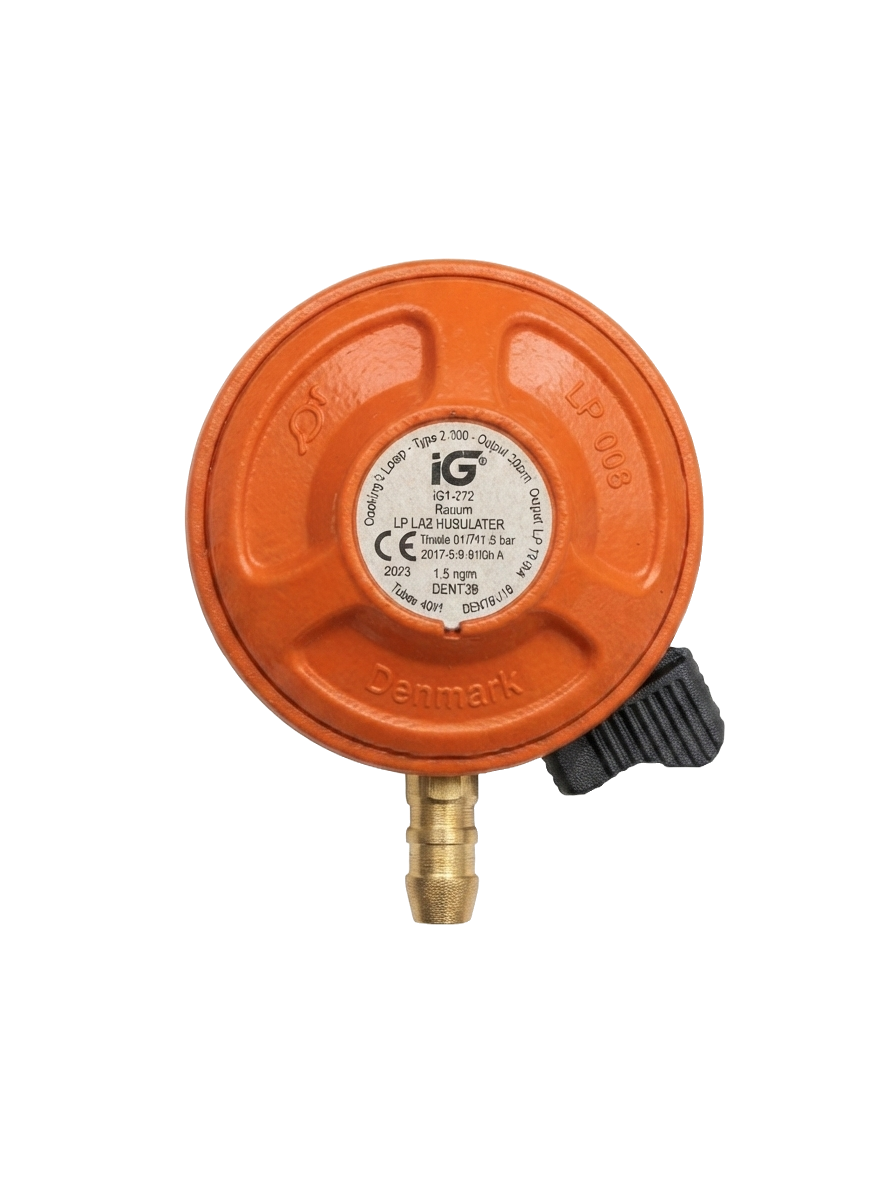
A gas leak from regulator occurs when LPG escapes from the pressure control connection, regulator body, seal, or attachment point between the cylinder and gas supply system. Correct isolation requires a systematic inspection process that identifies whether the leak originates from the regulator, cylinder valve, hose, or another connection point without relying on guesswork.
A suspected gas leak from regulator is one of the most common LPG safety concerns faced by households, restaurants, hotels, institutions, and commercial gas users. Because LPG is stored under pressure, even a small leak can create a serious safety hazard if the source is not identified and controlled correctly.
Related Products
Many people assume that the smell of LPG automatically means the regulator is faulty. However, a gas leak from regulator is only one possible cause. LPG leakage can originate from several points within the gas supply system, including:
- Regulator connection points
- Cylinder valve seals
- Hose connections
- Pipe fittings
- Appliance connections
- Damaged components
Correct diagnosis is essential because replacing the wrong component may leave the actual leak unresolved.
In Kenya and East Africa, safe LPG handling requires proper equipment selection, installation, inspection, and maintenance. Regulatory bodies including the Energy and Petroleum Regulatory Authority (EPRA), Kenya Bureau of Standards (KEBS), and occupational safety authorities emphasize the importance of using approved LPG equipment and safe operating procedures.
For commercial and industrial users, professional assessment is especially important because LPG systems may include multiple cylinders, automatic changeover systems, pressure regulators, pipelines, vaporizers, and safety controls.
Megtraco Kenya Ltd provides our LPG engineering solutions for commercial, institutional, and industrial LPG applications, including equipment supply, system design, installation support, and safety solutions.
What Does a Gas Leak From Regulator Mean?
A gas leak from regulator means LPG is escaping through the regulator assembly or its connection points instead of flowing safely through the controlled gas pathway. The leak may result from damaged seals, incorrect installation, worn components, excessive pressure, or an incompatible regulator connection.
An LPG regulator performs a critical safety function. LPG inside a cylinder exists at high pressure, while appliances and industrial equipment require controlled pressure. The regulator reduces this pressure and maintains a stable gas supply.
When a gas leak from regulator develops, the problem may occur in several areas:
| Leak Location | Possible Cause | Recommended Action |
|---|---|---|
| Regulator inlet connection | Poor fitting or damaged seal | Inspect and replace damaged parts |
| Regulator body | Internal damage or failure | Replace regulator |
| Regulator vent area | Faulty diaphragm or abnormal pressure condition | Professional inspection required |
| Cylinder valve connection | Valve damage or poor sealing | Check cylinder valve condition |
| Hose connection | Loose clamp or damaged hose | Replace or secure connection |
A key safety principle is that LPG equipment should never be repaired through makeshift methods. Applying tape, forcing connections, or modifying fittings can increase the risk of leakage.
Gas Leak From Regulator: Why Correct Identification Matters
A gas leak from regulator must be correctly identified because LPG systems contain multiple possible leak points. Determining the exact source prevents unnecessary replacements and ensures that the actual safety problem is corrected.
A common mistake is immediately assuming that the regulator is responsible whenever LPG odour is detected. While a regulator failure can cause leakage, other components may also be responsible.
A proper isolation process considers the complete LPG system.
Possible Sources of LPG Leakage
1. Regulator Connection Point
The connection between the regulator and cylinder valve is one of the most inspected areas.
A gas leak from regulator connection may occur due to:
- Incorrect regulator fitting
- Damaged sealing washer
- Poor alignment
- Worn connection components
- Improper installation
The regulator should fit securely without excessive force.
2. Cylinder Valve
The cylinder valve controls LPG release from the cylinder. If the valve does not seal correctly, gas may escape even when the regulator is functioning properly.
Signs of possible cylinder valve problems include:
- Persistent LPG smell after regulator removal
- Leakage around the valve area
- Difficulty shutting off gas flow
- Visible damage
3. LPG Hose Connection
Flexible hoses are another common leakage point.
A hose-related leak may result from:
- Cracking
- Age-related deterioration
- Loose clamps
- Incorrect hose type
- Heat exposure
4. Appliance Connection
Sometimes the LPG supply system is working correctly, but the connected appliance has a leaking connection.
A complete inspection should therefore examine the entire gas path.
Gas Leak From Regulator: Safe First Response Steps
When a gas leak from regulator is suspected, the priority is controlling risk before attempting diagnosis. The gas supply should be isolated safely, ignition sources removed, and the area ventilated before further inspection.
Safety actions should include:
- Turn off the cylinder valve if it can be done safely.
- Avoid flames, cigarettes, sparks, or electrical switching.
- Open doors and windows to improve ventilation.
- Move people away from the affected area.
- Do not attempt repairs while gas continues escaping.
A gas leak from regulator should never be investigated using open flames. This dangerous practice can ignite LPG vapour and cause severe consequences.
For larger LPG installations, additional protection may include professional gas monitoring systems. Megtraco Kenya Ltd supplies our leak detection technologies designed for identifying abnormal gas conditions in commercial and industrial environments.
How to Perform a Basic LPG Leak Check Safely
A gas leak from regulator can be investigated using approved leak detection methods such as a soap solution test, which helps identify escaping gas without creating an ignition risk. This process should only be performed after the area has been made safe and should never replace professional inspection for serious leaks.
The soap test is commonly used because it provides a visual indication of escaping gas.
The procedure involves:
- Confirming that the area is safe.
- Applying approved leak detection solution to the suspected connection.
- Observing whether bubbles form.
- Identifying the leaking point.
- Isolating the equipment if leakage is confirmed.
A gas leak from regulator may produce bubbles around:
- Regulator connection joints
- Valve interfaces
- Hose connections
- Pipe fittings
However, users should not dismantle regulators or attempt internal repairs. LPG regulators contain precision components that require correct calibration and replacement procedures.
Why LPG Regulators Require Professional Inspection
A gas leak from regulator can indicate a failure in one of the most important safety components in an LPG system. Professional inspection ensures that pressure control equipment, seals, connections, and related components operate according to required safety standards.
Commercial LPG users should schedule regular inspections because their systems often operate continuously and at higher gas consumption levels.
Professional inspections may include:
- Visual equipment assessment
- Leak testing
- Pressure verification
- Regulator condition checks
- Pipeline inspection
- Safety equipment review
Megtraco Kenya Ltd provides professional engineering consultation for LPG installations requiring safe design, maintenance support, and compliance-focused solutions.