How often to replace a gas regulator depends on the regulator’s condition, operating environment, usage frequency, and manufacturer recommendations. While many LPG regulators can provide reliable service for several years, regular inspection is essential because wear, contamination, and mechanical damage can reduce performance and safety.
The question of how often to replace a gas regulator is common among LPG users because the regulator is one of the most important safety components in any gas installation. The regulator controls pressure between the LPG cylinder and the appliance, ensuring that gas flows at a stable and usable pressure.
Related Products
A damaged or ageing regulator can affect appliance performance and may create unsafe operating conditions. For this reason, knowing how often to replace a gas regulator helps homeowners, restaurants, hotels, institutions, and industrial users maintain safer LPG systems.
Many users replace regulators only after experiencing problems such as:
- Weak flames
- Gas smell near the cylinder connection
- Difficulty maintaining appliance operation
- Visible regulator damage
- Unusual operating sounds
However, waiting for failure is not always the safest approach. LPG equipment should be inspected proactively, especially in commercial environments where gas systems operate frequently.
In Kenya and East Africa, LPG safety depends on proper equipment selection, installation, and maintenance. Organisations such as the Energy and Petroleum Regulatory Authority (EPRA), Kenya Bureau of Standards (KEBS), and occupational safety authorities encourage the use of approved LPG components and safe handling procedures.
Megtraco Kenya Ltd provides our LPG engineering solutions for commercial, institutional, and industrial LPG systems, including equipment selection, installation support, and safety-focused engineering services.
How Often to Replace a Gas Regulator: Understanding LPG Regulator Lifespan
How often to replace a gas regulator is determined by several factors, including the quality of the regulator, frequency of use, exposure to weather conditions, and maintenance practices. A regulator used daily in a commercial kitchen may require closer monitoring than one used occasionally in a domestic application.
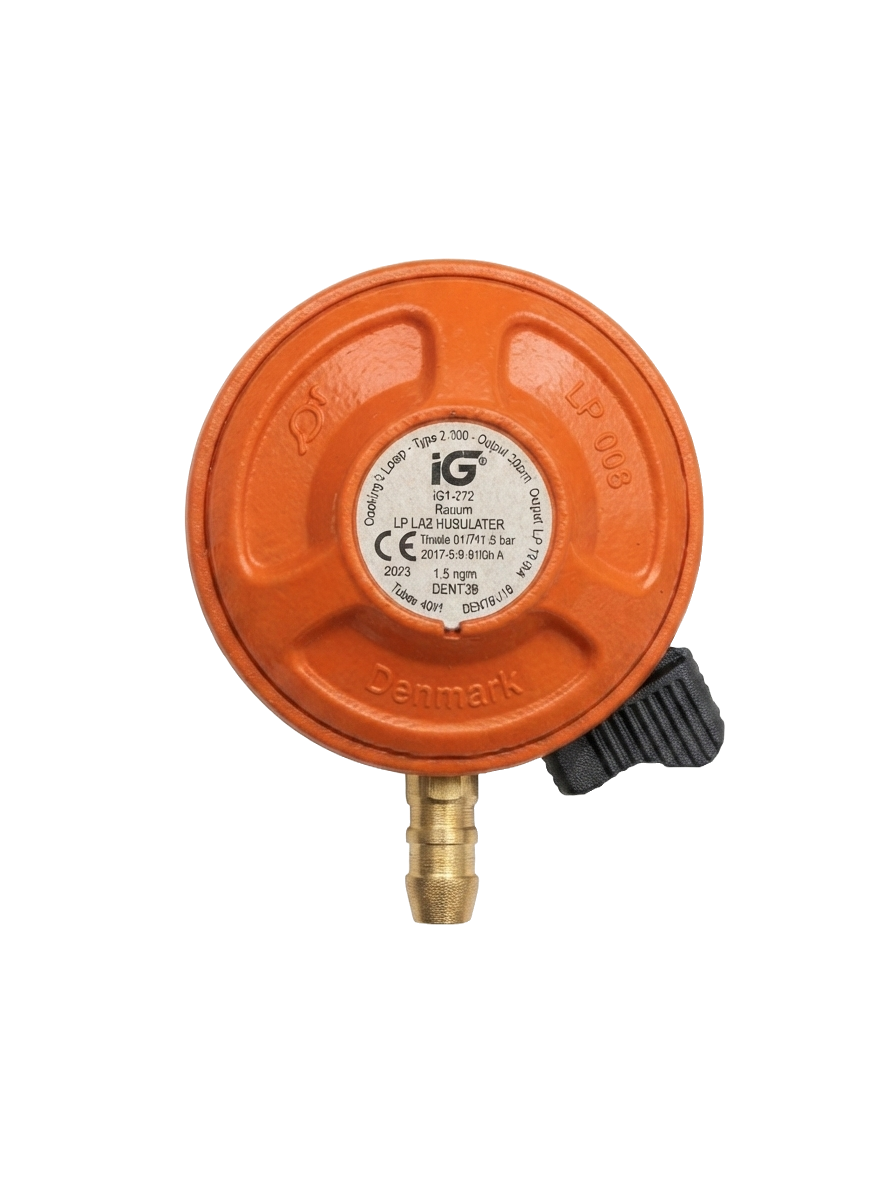
An LPG regulator does not operate like a simple connector. It is a precision pressure control device containing internal components designed to reduce cylinder pressure to a safe operating level.
A typical LPG regulator contains:
- Diaphragm assembly
- Spring mechanism
- Pressure adjustment components
- Sealing elements
- Gas inlet and outlet connections
Over time, these components may experience:
| Component | Possible Ageing Effect | Safety Impact |
|---|---|---|
| Diaphragm | Hardening or deterioration | Incorrect pressure control |
| Seals | Wear or cracking | Gas leakage risk |
| Body housing | Corrosion or impact damage | Reduced reliability |
| Connection points | Thread or fitting damage | Poor sealing |
When considering how often to replace a gas regulator, users should not rely only on age. A regulator installed in a harsh environment may deteriorate faster than one operating under controlled conditions.
Factors that can shorten regulator service life include:
- Direct sunlight exposure
- Rain and moisture
- Dust contamination
- Poor storage conditions
- Incorrect installation
- High gas consumption
- Physical impact
How Often to Replace a Gas Regulator Depends on Usage Conditions
The answer to how often to replace a gas regulator changes depending on where and how the LPG system is used. Domestic, commercial, and industrial LPG applications experience different operating demands and require different inspection approaches.
Domestic LPG Applications
Households commonly use LPG regulators for cooking appliances. Even though domestic usage is lower compared with commercial systems, safety inspections remain important.
Home users should check for:
- Cracks or visible damage
- Loose connections
- Unusual gas smell
- Poor appliance performance
- Signs of corrosion
When asking how often to replace a gas regulator in a home environment, the correct approach is to combine manufacturer guidance with physical inspection.
Commercial LPG Applications
Restaurants, hotels, and food processing facilities use LPG more intensively. Their regulators experience:
- Longer operating hours
- Higher gas consumption
- Frequent cylinder changes
- Increased heat exposure
Commercial operators should have scheduled inspections because regulator failure can interrupt operations and create safety risks.
Industrial LPG Systems
Industrial applications require a more detailed engineering approach.
Large LPG systems may include:
- Multiple cylinders or storage tanks
- Automatic changeover systems
- Pressure regulation stations
- LPG vaporizers
- Gas trains
- Safety shut-off devices
For these systems, how often to replace a gas regulator should be determined through professional assessment, operational data, and maintenance records.
Megtraco Kenya Ltd supplies high-performance LPG vaporizers and engineered LPG components for demanding commercial and industrial applications.
Signs That Answer How Often to Replace a Gas Regulator
The best indication of how often to replace a gas regulator comes from performance and condition checks. A regulator showing leakage, damage, unstable pressure, or poor gas flow should be inspected immediately and replaced if required.
Several warning signs indicate that replacement may be necessary.
1. Gas Smell Around the Regulator
A strong LPG smell near the regulator connection should never be ignored.
Possible causes include:
- Damaged seals
- Loose connections
- Internal regulator failure
- Incorrect installation
A suspected gas leak requires immediate safety action and professional assessment.
2. Unstable Flame Performance
A properly functioning LPG regulator provides stable gas pressure.
Problems may include:
- Weak flame
- Flickering flame
- Appliance shutting down unexpectedly
- Reduced heating performance
These issues may indicate that the regulator is no longer maintaining correct pressure.
3. Visible Physical Damage
A regulator should be replaced if it shows:
- Cracks
- Corrosion
- Damaged fittings
- Bent components
- Signs of impact
Physical damage can compromise the regulator’s ability to control LPG safely.
4. Water or Environmental Damage
Outdoor LPG installations are exposed to changing weather conditions.
Moisture and corrosion can affect regulator reliability, especially where equipment lacks proper protection.
Why You Should Not Delay Gas Regulator Replacement
Knowing how often to replace a gas regulator helps prevent failures before they affect safety or business operations. Delaying replacement of a worn regulator can increase the risk of LPG leakage, poor appliance performance, and unexpected system downtime.
A regulator may appear functional while internal components are already deteriorating.
For commercial users, delayed replacement can lead to:
- Production interruptions
- Increased maintenance costs
- Safety compliance concerns
- Equipment inefficiency
A professional inspection can confirm whether a regulator can continue operating safely or requires replacement.
Megtraco Kenya Ltd provides professional engineering consultation for LPG system assessments, safety reviews, and customized gas solutions.