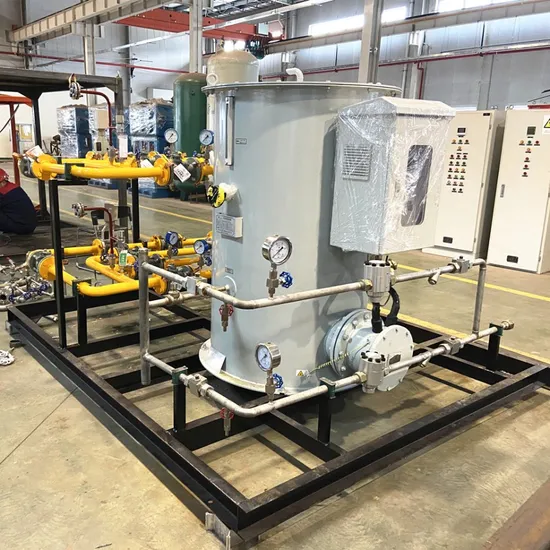
The decision between an electric vs water bath vaporizer is a critical engineering consideration for Kenyan factories, hotels, food processors, hospitals, and commercial facilities that depend on reliable LPG supply. Selecting the correct vaporization technology affects fuel continuity, energy efficiency, installation requirements, operating costs, safety compliance, and long-term plant performance.
Large LPG users cannot always rely on natural vaporization from storage cylinders or tanks because LPG withdrawal rates are limited by ambient temperature, tank size, and liquid surface area. Industrial processes requiring high and stable gas flow—such as steam generation, thermal processing, cooking operations, and manufacturing heating—require engineered LPG vaporization systems.
Related Products
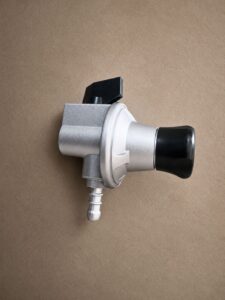
Megtraco Kenya Ltd provides industrial LPG engineering solutions for commercial and industrial users requiring dependable gas infrastructure, including vaporization systems, LPG piping networks, safety controls, and fire protection solutions.
The choice between an electric LPG vaporizer and a water-bath LPG vaporizer depends on several technical factors:
- Required LPG vaporization capacity
- Availability and reliability of electricity
- Plant operating hours
- Energy costs
- Space limitations
- Environmental conditions
- Maintenance capability
- Regulatory requirements
A properly selected LPG vaporizer ensures that industrial burners receive consistent vapour pressure, preventing production interruptions caused by insufficient gas supply.
What Is an LPG Vaporizer?
An LPG vaporizer is an engineered device that converts liquid petroleum gas (LPG) into gaseous form using an external heat source. It increases LPG supply capacity by adding controlled heat energy to accelerate evaporation beyond what occurs naturally inside storage tanks.
Industrial LPG vaporizers are commonly used where gas demand exceeds the natural evaporation capacity of storage vessels. They are installed in manufacturing plants, commercial kitchens, hotels, hospitals, agricultural processing facilities, and large institutional projects.
The two most common industrial vaporizer technologies are:
- Electric LPG vaporizers – use electrical heating elements to transfer heat into LPG.
- Water-bath LPG vaporizers – use heated water as a thermal medium surrounding LPG heat exchange components.
Both systems perform the same fundamental function but differ significantly in operating principles, energy requirements, installation design, and lifecycle costs.
Why Vaporizer Selection Is Critical for Kenyan Industrial Plants
Kenya’s industrial sector continues to adopt LPG as a cleaner alternative to traditional heavy fuels for thermal applications. Manufacturing facilities, hospitality businesses, and food processors increasingly require energy systems that provide:
- Cleaner combustion
- Reduced maintenance compared with solid fuels
- Better temperature control
- Lower emissions
- Reliable production output
However, LPG reliability depends heavily on correct system sizing.
A poorly selected vaporizer may result in:
- Low burner pressure
- Flame instability
- Production downtime
- Increased fuel consumption
- Safety risks
- Poor combustion efficiency
Industrial LPG systems must therefore be designed according to actual consumption requirements rather than cylinder quantity alone.
Professional engineering assessment considers:
- Peak LPG consumption rate (kg/hr)
- Number of connected appliances
- Burner capacity
- Simultaneous demand
- Operating pressure requirements
- Storage tank capacity
- Future expansion requirements
For engineered LPG installations, companies should work with qualified LPG specialists familiar with regulatory requirements from the Energy and Petroleum Regulatory Authority (EPRA), Kenya Bureau of Standards (KEBS), and occupational safety requirements administered through the Directorate of Occupational Safety and Health Services (DOSHS).
Electric vs Water Bath Vaporizer: Core Engineering Differences
Electric LPG Vaporizer
An electric LPG vaporizer uses electrical resistance heaters to generate heat transferred directly or indirectly to liquid LPG.
The heating elements warm a heat transfer medium or the vaporization chamber, causing liquid LPG to change phase into vapour.
Electric vaporizers are commonly selected where:
- Electrical supply is stable
- Space is limited
- Precise control is required
- Lower installation complexity is preferred
Typical applications include:
- Commercial kitchens
- Hotels
- Laboratories
- Small-to-medium industrial plants
- Facilities requiring compact installations
Electric vaporizers can provide accurate temperature control through integrated thermostats, controllers, and safety shutdown systems.
Water-Bath LPG Vaporizer
A water-bath LPG vaporizer uses a heated water reservoir as the heat transfer medium.
The LPG passes through heat exchange coils immersed in heated water. Heat from the water transfers into the LPG, converting liquid fuel into gas.
The water is commonly heated using:
- Gas-fired burners
- Electric heaters
- Steam systems
- External heating sources
Water-bath systems are widely used in heavy-duty industrial applications because they provide stable heat transfer and high vaporization capacity.
Typical applications include:
- Manufacturing plants
- Large food processing facilities
- Industrial boilers
- Large commercial kitchens
- LPG distribution terminals
Megtraco Kenya Ltd supplies high-performance LPG vaporizers designed for demanding industrial applications. Facilities requiring detailed specifications can learn more about LPG vaporizers through Megtraco’s industrial vaporization solutions.
Commercial and Industrial Applications in Kenya
1. Manufacturing and Industrial Processing
Manufacturing facilities require uninterrupted thermal energy for processes such as:
- Metal heating
- Paint curing
- Industrial ovens
- Textile processing
- Packaging operations
- Steam generation
Factories often operate multiple burners simultaneously, creating high peak LPG demand.
For these environments, vaporizer selection must consider:
- Maximum hourly LPG consumption
- Production schedules
- Backup requirements
- Automation capability
Large factories commonly favour water-bath systems because they can support higher LPG flow rates and continuous operation.
A properly engineered LPG installation integrates:
- Storage tanks
- Multistage regulators
- Vaporizers
- Gas trains
- Safety valves
- Detection systems
- Control panels
Megtraco Kenya Ltd provides customized engineering solutions for industrial LPG systems requiring reliable fuel delivery and safe operation.
2. Hospitality and Food Processing Facilities
Hotels, restaurants, bakeries, and food processing plants depend on LPG for:
- Commercial cooking
- Baking ovens
- Water heating
- Food preparation
- Laundry operations
The hospitality sector requires:
- Consistent flame performance
- Minimal downtime
- Safe gas distribution
- Compact plant layouts
Electric LPG vaporizers may suit facilities with moderate demand and reliable electricity.
Large hotels with centralized kitchens may require water-bath systems because of higher simultaneous cooking demand.
Commercial kitchens also require integrated fire protection. Facilities can explore commercial fire safety systems and fire suppression equipment designed for industrial environments through Megtraco Kenya Ltd’s fire safety solutions.
3. Healthcare Institutions, Universities and Schools
Hospitals and educational institutions require reliable energy systems because interruptions affect critical operations.
LPG systems may support:
- Hospital kitchens
- Laundry facilities
- Sterilization processes
- Hot water generation
Institutional LPG systems require:
- High safety standards
- Preventive maintenance
- Emergency isolation systems
- Gas detection
Correct vaporizer selection ensures stable operation during periods of high demand.
4. Agricultural Processing and Logistics
Agricultural industries use LPG for:
- Crop drying
- Tea processing
- Grain heating
- Food preservation
- Warehouse operations
Logistics facilities may also use LPG cylinders for forklift fleets.
These applications require dependable gas supply because production losses can occur when heating systems stop unexpectedly.
Industrial users can benefit from properly designed LPG storage and distribution systems incorporating specialized equipment such as forklift cylinders and automated controls.
Preliminary Comparison: Electric vs Water Bath Vaporizer
| Feature | Electric LPG Vaporizer | Water Bath LPG Vaporizer |
|---|---|---|
| Heat source | Electrical heating elements | Heated water circulation |
| Installation size | Compact | Larger footprint |
| Capacity range | Small to medium applications | Medium to very high capacity |
| Control precision | Excellent | Excellent with proper controls |
| Electricity dependence | High | Low to moderate depending on heating source |
| Heavy industrial suitability | Limited | Excellent |
| Initial installation cost | Usually lower | Usually higher |
| Maintenance requirements | Heating element inspection | Burner, vessel and water system maintenance |
| Best suited for | Hotels, commercial users, compact plants | Factories, processing plants, high-demand users |
Industrial LPG vaporizer installations in Kenya must comply with national energy regulations, product standards, occupational safety requirements, and internationally recognized fire protection practices. Compliance ensures that equipment is correctly designed, installed, inspected, and operated to minimize risks associated with pressurized LPG systems.
A compliant LPG vaporization system requires coordination between:
- Equipment suppliers
- LPG engineers
- Facility owners
- Regulatory authorities
- Safety inspectors
Megtraco Kenya Ltd operates as an experienced LPG engineering company providing compliant solutions for industrial and commercial installations across Kenya and East Africa.
For companies requiring a complete assessment, Megtraco provides professional engineering consultation through:
EPRA Requirements for LPG Installations in Kenya
The Energy and Petroleum Regulatory Authority (EPRA) regulates petroleum products and LPG activities in Kenya, including licensing, storage, transportation, and handling requirements.
For industrial LPG installations, compliance considerations typically include:
LPG Installation Approval
Facilities must ensure that LPG systems are:
- Designed by competent professionals
- Installed according to approved engineering practices
- Equipped with appropriate safety controls
- Inspected before operation
Storage and Equipment Requirements
Industrial LPG systems must consider:
- Approved pressure vessels
- Correct tank placement
- Safety distances
- Emergency isolation systems
- Pressure relief protection
Operational Safety Requirements
Operators should maintain:
- Inspection records
- Maintenance schedules
- Staff training documentation
- Emergency response procedures
KEBS Standards and Equipment Verification
The Kenya Bureau of Standards (KEBS) provides standards and conformity requirements for LPG-related equipment and materials.
Industrial users should verify that supplied components meet appropriate quality requirements, including:
- LPG cylinders and storage vessels
- Pressure regulators
- Valves
- Piping materials
- Safety equipment
Quality-controlled equipment reduces risks associated with:
- Corrosion
- Pressure failure
- Leakage
- Premature component failure
Megtraco supplies industrial LPG equipment designed for commercial and industrial applications:
Occupational Safety Requirements: DOSHS and Workplace Protection
The Directorate of Occupational Safety and Health Services (DOSHS) oversees workplace safety compliance under Kenya’s occupational safety framework.
For LPG vaporizer installations, workplace safety considerations include:
Hazard Identification
Facilities should assess:
- LPG leak risks
- Ignition sources
- Pressure hazards
- Equipment access areas
Worker Protection
Employers should provide:
- LPG handling training
- Emergency procedures
- Appropriate personal protective equipment
- Routine safety inspections
Emergency Preparedness
Industrial sites should maintain:
- Gas isolation procedures
- Fire response equipment
- Alarm systems
- Emergency contact procedures
NFPA Standards Applicable to LPG Systems
International standards provide additional engineering guidance where applicable.
NFPA 58: Liquefied Petroleum Gas Code
NFPA 58 provides widely recognized requirements covering:
- LPG storage
- Handling
- Installation
- Equipment protection
- Separation distances
NFPA Fire Protection Standards
Industrial facilities may also reference fire protection standards covering:
- Fire detection
- Suppression systems
- Emergency response
Fire protection should be integrated with LPG system design rather than treated as a separate requirement.
Megtraco provides commercial fire safety systems for industrial and commercial facilities:
LPG Vaporizer Maintenance Requirements
Why Preventive Maintenance Matters
Regular LPG vaporizer maintenance prevents unexpected shutdowns, improves efficiency, and extends equipment service life. Industrial LPG systems operate under pressure and require systematic inspection to maintain reliability.
A professional maintenance program should include:
| Maintenance Activity | Recommended Frequency | Purpose |
|---|---|---|
| Visual equipment inspection | Routine checks | Identify damage or abnormal conditions |
| Leak testing | Scheduled intervals | Detect LPG losses |
| Valve inspection | Periodic | Confirm safe operation |
| Pressure verification | Periodic | Ensure correct operating conditions |
| Electrical inspection | For electric vaporizers | Verify heating system performance |
| Burner inspection | For water-bath units | Maintain efficient heat transfer |
| Safety device testing | Scheduled | Confirm emergency protection |
Common LPG Vaporizer Problems and Troubleshooting
| Problem | Possible Cause | Engineering Solution |
|---|---|---|
| Low gas pressure | Undersized vaporizer | Recalculate LPG demand and upgrade capacity |
| Poor combustion | Incorrect pressure regulation | Inspect regulators and gas train |
| Excessive shutdowns | Faulty controls | Test sensors and safety interlocks |
| High operating cost | Incorrect technology selection | Review electric vs water-bath suitability |
| LPG leakage alarms | Damaged fittings or seals | Perform professional leak inspection |
| Slow vaporization | Insufficient heat transfer | Inspect heating system performance |
Facilities requiring advanced monitoring can integrate industrial gas leak detection systems:
Optimizing LPG Vaporizer Selection for Kenyan Plants
Choosing the Correct Technology Based on Plant Profile
The best vaporizer technology depends on operational priorities.
Manufacturing Plants
Recommended option:
Water-bath LPG vaporizer
Reasons:
- High continuous demand
- Better thermal stability
- Suitable for industrial burners
- Supports future expansion
Hotels and Commercial Kitchens
Recommended option:
Electric LPG vaporizer or smaller water-bath system
Reasons:
- Lower LPG consumption
- Limited plant space
- Easier installation
Food Processing Facilities
Recommended option:
Water-bath LPG vaporizer
Reasons:
- Continuous heating requirements
- Production reliability
- Higher LPG consumption
Hospitals and Institutions
Recommended option:
Depends on demand profile:
- Electric systems for moderate consumption
- Water-bath systems for larger centralized plants
Electric vs Water Bath Vaporizer: Final Engineering Comparison
| Category | Electric Vaporizer | Water Bath Vaporizer |
|---|---|---|
| Best application | Moderate LPG demand | Heavy industrial demand |
| Capital cost | Lower | Higher |
| Running cost | Depends on electricity tariff | Depends on heating source |
| Installation footprint | Compact | Larger |
| Maintenance skill requirement | Electrical expertise | Mechanical and thermal expertise |
| Expansion capability | Moderate | High |
| Industrial reliability | Good | Excellent |
| Preferred for factories | Sometimes | Usually |
Frequently Asked Questions (FAQ)
How does an electric vs water bath vaporizer improve operational safety in industrial settings?
An electric vs water bath vaporizer improves industrial safety by maintaining controlled LPG conversion, preventing unstable gas supply, and reducing risks associated with excessive liquid LPG withdrawal. Properly engineered systems include pressure regulation, temperature controls, emergency shutdown devices, and leak monitoring.
What are the mandatory EPRA and KEBS compliance requirements for an electric vs water bath vaporizer system in Kenya?
Industrial LPG vaporizer systems must use approved equipment, follow LPG installation requirements, meet applicable KEBS quality standards, and comply with EPRA licensing and inspection requirements. Professional design, installation, testing, and documentation are essential before commissioning.
How often should commercial LPG vaporizer systems undergo professional inspection and maintenance?
Inspection frequency depends on operating conditions, equipment type, and manufacturer recommendations. Industrial facilities should implement routine visual inspections, scheduled safety checks, and professional maintenance programs to maintain reliability and compliance.
What is the difference between an electric LPG vaporizer and a water-bath LPG vaporizer?
An electric LPG vaporizer uses electrical heating elements to provide direct heat transfer, while a water-bath LPG vaporizer uses heated water as a thermal medium. Electric systems are compact and suitable for moderate demand, while water-bath systems are preferred for high-capacity industrial applications.
Engineering Conclusion
Selecting between an electric vs water bath vaporizer requires a detailed evaluation of plant demand, operating environment, energy availability, and future expansion requirements.
Electric vaporizers provide an efficient solution for facilities requiring compact equipment, precise control, and moderate LPG consumption. Water-bath vaporizers remain the preferred choice for many industrial plants because of their high capacity, thermal stability, and suitability for continuous operation.
Kenyan factories, hotels, hospitals, and processing facilities should avoid selecting LPG vaporization equipment based only on purchase price. Correct engineering assessment ensures improved safety, lower operating costs, reduced downtime, and reliable production performance.
Megtraco Kenya Ltd has decades of experience delivering LPG infrastructure, industrial gas systems, and fire safety solutions throughout East Africa.
Learn more about Megtraco Kenya Ltd’s engineering capability:
For specialized LPG systems, piping, vaporization equipment, and industrial installations, work with established LPG specialists:
Facilities planning new installations or upgrades can request a customized quotation:
Your Trusted LPG & Fire Safety Engineering Partner in East Africa
Whether you’re designing a new LPG installation, upgrading industrial gas systems, or enhancing fire safety compliance, Megtraco Kenya Ltd delivers certified engineering solutions backed by decades of expertise. From LPG equipment supply and pipeline installations to fire suppression and detection systems, our experienced team provides reliable solutions for commercial, industrial, and institutional projects across East Africa.
Contact us today for professional consultation, engineering support, or a customized quotation.
WHY CHOOSE MEGTRACO KENYA LTD
• ✔ Established Since 1969 – Decades of proven engineering excellence.
• ✔ KEBS Certified Products – Guaranteed quality and compliance with regional standards.
• ✔ EPRA Licensed LPG Engineering Company – Fully certified to design, install, and commission.
• ✔ Industrial & Commercial LPG Specialists – Scaled to handle heavy-duty thermal requirements.
• ✔ Fire Suppression & Fire Detection Experts – End-to-end asset protection.
• ✔ Regional Operational Footprint – Serving Nairobi, Mombasa, Kisumu, Nakuru, Eldoret, Thika, Machakos, East Africa, and beyond.
You May Also Like
Contact Megtraco Kenya Ltd
Email: sales@megtracokenya.com
Sales: +254 725 870 114
Technical: +254 733 721 598
WhatsApp: +254 799 086 323
Location: Nairobi, Kenya – Serving East Africa
Website: https://megtracokenya.com
Request a Quote today and partner with East Africa’s trusted LPG and fire safety engineering company since 1969.
