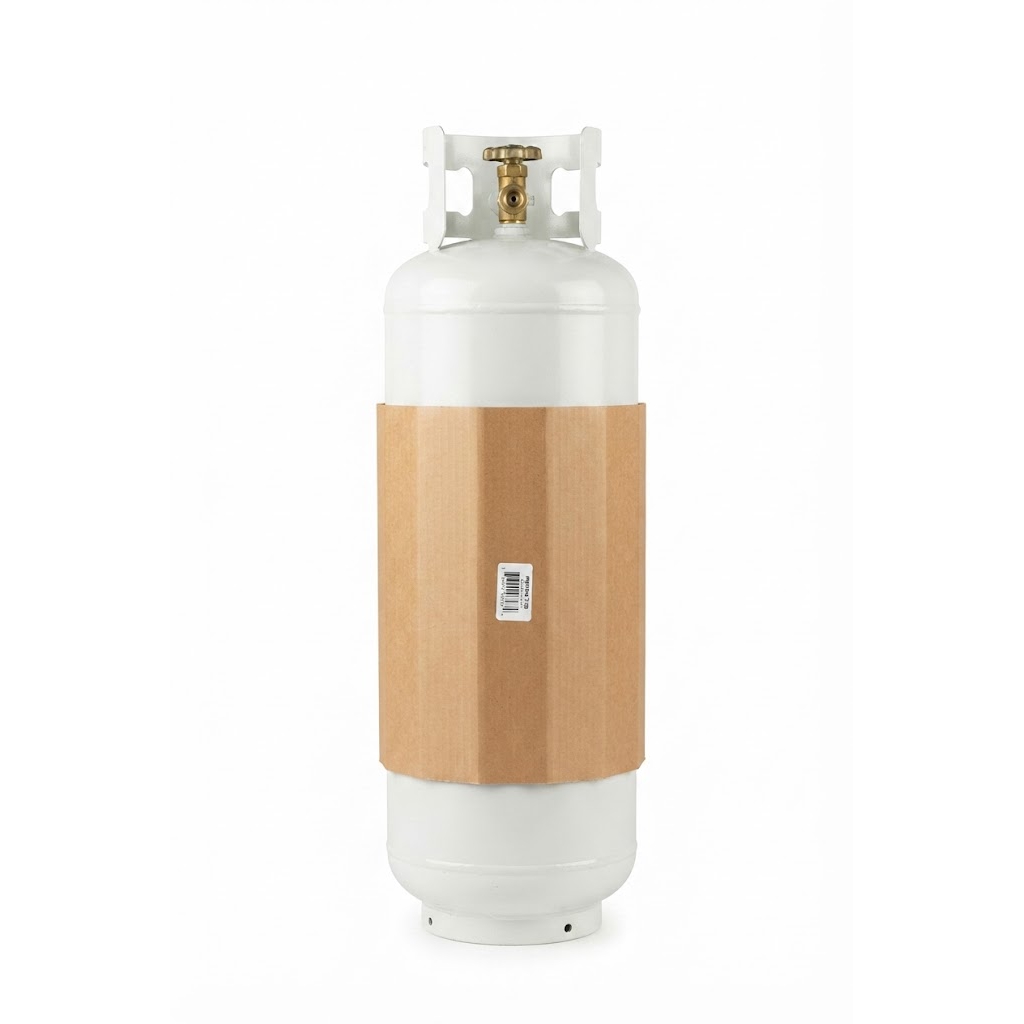
A Type-4 LPG forklift cylinder is an advanced composite pressure vessel designed to replace conventional steel LPG cylinders used in forklifts and material handling equipment. Built using a polymer liner reinforced with carbon or glass fiber wrapping, it delivers high pressure resistance while significantly reducing weight.
In Kenya’s logistics, manufacturing, and warehousing sector—especially in Nairobi, Mombasa, Kisumu, Eldoret, and Naivasha industrial corridors—operators are increasingly shifting toward composite LPG cylinders to improve fleet efficiency, reduce operational costs, and enhance workplace safety.
Related Products
Organizations implementing modern LPG infrastructure often rely on Megtraco Kenya’s LPG engineering solutions to ensure safe system integration and optimized energy performance across industrial fleets.
Technical Industry Overview
What is a Type-4 LPG Forklift Cylinder?
A Type-4 LPG cylinder is a fully composite gas storage tank consisting of a high-strength polymer liner wrapped in carbon or fiberglass reinforcement. Unlike traditional steel cylinders, it eliminates heavy metallic structure while maintaining full pressure containment integrity.
This design is optimized specifically for mobile applications such as forklifts, where weight directly affects fuel consumption, maneuverability, and operational efficiency.
Why Type-4 Cylinders Matter in Industrial Operations
Forklifts operate under continuous load cycles where fuel efficiency and equipment agility are critical performance factors. Traditional steel LPG cylinders add unnecessary dead weight, reducing forklift performance and increasing fuel consumption.
Type-4 composite cylinders offer:
- Up to 20% weight reduction compared to steel cylinders
- Improved forklift balance and handling
- Lower fuel consumption per operating hour
- Faster cylinder replacement cycles
- Reduced operator fatigue during handling
To ensure proper system design and safe integration into industrial fleets, operators often engage professional engineering consultation for LPG system evaluation and optimization.
Industrial Applications
Warehousing & Logistics Operations
Type-4 LPG forklift cylinders are widely used in high-throughput warehouses where forklifts operate continuously for loading, unloading, and pallet movement.
These systems improve:
- Operational uptime
- Refueling speed
- Fleet efficiency
Large-scale logistics operators often integrate LPG fuel
ngineering Specifications & Technical Performance
Engineering Overview of Type-4 LPG Forklift Cylinders
A Type-4 LPG forklift cylinder is engineered as a high-performance composite pressure vessel designed for mobile gas fuel applications. The system combines a non-metallic polymer liner with high-strength fiber reinforcement, typically carbon or glass fiber, allowing it to withstand LPG operating pressures while significantly reducing structural weight.
This structural design directly improves forklift energy efficiency by reducing dead load, improving load balance, and minimizing engine strain during operation.
In modern industrial LPG systems, proper integration with industrial LPG equipment ensures compatibility across regulators, hoses, and fuel delivery systems.
Technical Specification Table
| Parameter | Type-4 Composite Cylinder |
|---|---|
| Construction | Polymer liner + fiber composite wrap |
| Weight Reduction | Up to 20% lighter than steel |
| Operating Pressure | Standard LPG forklift pressure range |
| Corrosion Resistance | Excellent (non-metallic shell) |
| Impact Resistance | High (flexible composite structure) |
| Fuel Compatibility | LPG (Propane/Butane mix) |
| Service Life | Extended compared to steel cylinders |
| Handling Requirement | Ergonomic lift-friendly design |
Engineering Performance Advantages
Type-4 LPG cylinders deliver measurable performance improvements in industrial forklift operations:
- Reduced vehicle dead weight improves acceleration and braking efficiency
- Lower rolling resistance improves energy consumption per operating hour
- Improved forklift balance enhances load stability
- Reduced strain on lifting systems during cylinder replacement
- Lower vibration impact on fuel delivery systems
In high-cycle warehouse environments, these improvements translate into significant operational savings over time.
Comparative Technical Analysis
Steel LPG Cylinder vs Type-4 Composite Cylinder
A key factor driving adoption of composite cylinders is the structural efficiency advantage compared to traditional steel tanks.
| Feature | Steel Cylinder | Type-4 Composite Cylinder |
|---|---|---|
| Weight | Heavy | Up to 20% lighter |
| Corrosion Resistance | Moderate | High (non-metallic) |
| Handling Ease | Difficult | Easy and ergonomic |
| Fuel Efficiency Impact | Neutral | Positive (efficiency gain) |
| Impact Resistance | Rigid | Flexible and shock absorbing |
| Maintenance Needs | Higher | Lower |
| Lifecycle Performance | Standard | Extended |
Operational Efficiency Impact in Warehouses
In warehouse operations, forklift efficiency is not just about engine performance—it is directly influenced by vehicle weight distribution and fuel system design.
Type-4 cylinders improve:
- Travel speed between loading zones
- Lift cycle efficiency
- Battery and engine load balancing (for hybrid systems)
- Refueling turnaround time
For facilities upgrading forklift fleets, system integration with our LPG engineering solutions ensures full optimization of fuel handling infrastructure.
Installation, Handling & Operational Integration
Safe Cylinder Installation Workflow
Proper installation of Type-4 LPG forklift cylinders is critical for maintaining system safety and performance. Unlike steel cylinders, composite cylinders require careful handling procedures to avoid surface damage and ensure long-term structural integrity.
Standard installation process includes:
- Visual inspection of cylinder integrity
- Compatibility check with forklift mounting system
- Secure locking into LPG bracket assembly
- Connection to regulated fuel delivery system
- Leak testing at connection points
- Functional ignition and fuel flow verification
Facilities operating high-volume fleets are advised to implement structured safety procedures aligned with professional engineering consultation for compliance and operational safety.
Refueling & Cylinder Changeover Process
Type-4 cylinders significantly improve refueling efficiency due to their reduced weight and ergonomic handling design.
Operational benefits include:
- Faster manual handling during cylinder swap
- Reduced downtime between shifts
- Lower risk of operator injury
- Easier storage and transportation within warehouse zones
Safety Integration Systems
Forklift LPG systems must be integrated with broader industrial safety infrastructure to minimize fire and leak risks.
Key supporting systems include:
- Pressure regulators and control valves
- Emergency shut-off systems
- Leak detection sensors
- Fire suppression systems
Facilities can strengthen operational safety by integrating commercial fire safety systems and industrial gas leak detection systems into their warehouse safety architecture.
Maintenance & Operational Best Practices
Unlike steel cylinders, composite Type-4 cylinders require specialized inspection routines focused on surface integrity rather than corrosion.
Recommended maintenance practices include:
- Routine visual inspection for surface damage
- Leak testing at connection points
- Valve integrity checks
- Proper storage away from direct impact zones
- Scheduled lifecycle replacement tracking
For full system lifecycle optimization, many operators rely on Megtraco Kenya engineering support services to maintain compliance and efficiency.
Regulatory Compliance, Certification & Safety
Why Compliance Matters in Forklift LPG Systems
Type-4 LPG forklift cylinders operate in high-frequency industrial environments where safety compliance is not optional—it is a core operational requirement. Proper regulatory alignment ensures safe handling of pressurized gas, reduces workplace risks, and supports insurance and inspection approvals.
Facilities deploying LPG forklift systems in Kenya must align operations with national and international safety frameworks to ensure system reliability and legal compliance.
EPRA LPG Safety Requirements
The Energy and Petroleum Regulatory Authority (EPRA) governs LPG handling and distribution systems in Kenya, including industrial forklift fuel applications.
EPRA requirements emphasize:
- Safe LPG storage and handling procedures
- Certified gas system installation
- Leak prevention and emergency shutdown systems
- Regular inspection and maintenance documentation
Forklift LPG systems must be integrated into a broader compliant gas infrastructure designed by qualified professionals. Many facilities achieve this through Megtraco Kenya LPG engineering solutions, ensuring full system compliance from design to commissioning.
KEBS Equipment Standards
The Kenya Bureau of Standards (KEBS) ensures that LPG equipment used in industrial applications meets strict material, pressure, and safety requirements.
For Type-4 composite cylinders, compliance includes:
- Structural integrity under operating pressure
- Certified material composition
- Leak resistance validation
- Safe fuel delivery compatibility
Using verified industrial components from industrial LPG equipment suppliers ensures long-term compliance and operational reliability.
OSHA Workplace Safety Requirements
The Directorate of Occupational Safety and Health Services (OSHA) requires employers to maintain safe working environments in industrial facilities using pressurized gas systems.
Key OSHA requirements include:
- Employee safety training for LPG handling
- Safe cylinder changeover procedures
- Emergency response planning
- Routine equipment inspections
- Fire risk mitigation strategies
Properly implemented LPG forklift systems reduce workplace risk significantly when supported by structured safety protocols.
NFPA International Safety Standards
Global best practices for LPG forklift systems align with NFPA (National Fire Protection Association) standards, including:
- NFPA 58 (LPG storage and handling)
- NFPA 30 (flammable liquids code where applicable)
- NFPA 70 (electrical safety integration)
- NFPA 1 (fire prevention code)
These frameworks ensure LPG systems meet globally recognized safety thresholds for industrial environments.
Facilities also enhance safety performance by integrating commercial fire safety systems and industrial gas leak detection systems into forklift operating zones.
Frequently Asked Questions (FAQ)
What is a Type-4 LPG forklift cylinder?
A Type-4 LPG forklift cylinder is a lightweight composite gas tank made from a polymer liner reinforced with fiber wrapping. It is designed to replace traditional steel cylinders and improve forklift efficiency and handling performance.
How does a Type-4 cylinder improve forklift efficiency?
By reducing cylinder weight by up to 20%, forklifts experience lower energy consumption, improved balance, faster acceleration, and reduced engine load, resulting in higher operational efficiency.
Are Type-4 LPG cylinders safe for industrial use?
Yes. When properly certified and installed, Type-4 cylinders meet industrial safety requirements and are widely used in warehousing, manufacturing, and logistics operations worldwide.
How often should LPG forklift cylinders be inspected?
Routine visual inspections should be conducted frequently, while full system inspections and safety checks should follow manufacturer recommendations and regulatory requirements.
Can Type-4 cylinders be used in all forklift models?
Most modern LPG-compatible forklifts can use Type-4 cylinders, but compatibility should always be confirmed during system design or with professional engineering support.
Facilities can request verification and system design through professional engineering consultation.
What industries benefit most from Type-4 LPG cylinders?
Industries with high forklift usage benefit most, including:
- Warehousing and logistics
- Manufacturing plants
- Cold storage facilities
- Ports and freight terminals
- Agricultural processing centers
Engineering Conclusion
The adoption of Type-4 LPG forklift cylinders (lightweight composite systems) represents a significant advancement in industrial material handling efficiency. By reducing equipment weight, improving energy utilization, and enhancing operator handling safety, these systems deliver measurable productivity improvements of up to 20% in high-cycle warehouse environments.
When integrated into properly engineered LPG infrastructure, Type-4 cylinders support safer, more efficient, and more cost-effective forklift operations across industrial sectors.
However, true performance gains are only achieved when cylinders are deployed as part of a fully engineered gas system that includes proper fuel regulation, leak detection, fire protection, and compliance oversight.
For end-to-end system design, installation, and optimization, Megtraco Kenya Ltd provides fully integrated LPG infrastructure solutions tailored for industrial operations across East Africa. From advanced LPG piping systems to gas leak detection systems and fire suppression equipment, Megtraco ensures every component of your LPG system meets the highest safety and engineering standards.
Organizations planning new installations or fleet upgrades can also access customized engineering consultation and quotations to develop fully compliant, high-performance LPG systems.
Your Trusted LPG & Fire Safety Engineering Partner in East Africa
Whether you’re designing a new LPG installation, upgrading industrial gas systems, or enhancing fire safety compliance, Megtraco Kenya Ltd delivers certified engineering solutions backed by decades of expertise. From LPG equipment supply and pipeline installations to fire suppression and detection systems, our experienced team provides reliable solutions for commercial, industrial, and institutional projects across East Africa.
You May Also Like
Contact us today for professional consultation, engineering support, or a customized quotation.
WHY CHOOSE MEGTRACO KENYA LTD
- Established Since 1969 – Decades of proven engineering excellence
- KEBS Certified Products – Guaranteed quality and compliance with regional standards
- EPRA Licensed LPG Engineering Company – Fully certified to design, install, and commission
- Industrial & Commercial LPG Specialists – Scaled for heavy-duty operations
- Fire Suppression & Fire Detection Experts – End-to-end asset protection
- Regional Operational Footprint – Serving Nairobi, Mombasa, Kisumu, Nakuru, Eldoret, Thika, Machakos, Uganda, Tanzania, Rwanda, and East Africa
Contact Megtraco Kenya Ltd
- Email: sales@megtracokenya.com
- Sales: +254 725 870 114
- Technical: +254 733 721 598
- WhatsApp: +254 799 086 323
- Nairobi, Kenya – Serving East Africa
- Website: https://megtracokenya.com
Request a Quote today and partner with East Africa’s trusted LPG and fire safety engineering company since 1969.
