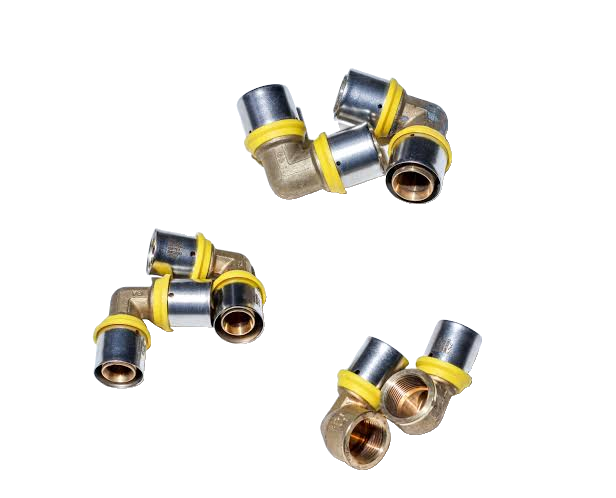
What is a multilayer LPG fitting?
A multilayer LPG fitting is a high-performance gas connector engineered using a combination of stainless steel reinforcement layers and advanced polymer sealing materials. The multilayer LPG fitting is designed to eliminate leakage risks, improve pressure stability, and ensure long-term durability in industrial LPG systems.
In modern LPG infrastructure across Kenya, the multilayer LPG fitting is increasingly replacing traditional single-material fittings due to its superior resistance to vibration, corrosion, and thermal expansion stress.
Related Products
A multilayer LPG fitting is widely deployed in EPRA-regulated installations in Nairobi, Mombasa, Kisumu, Nakuru, and industrial zones where LPG is used for manufacturing, hospitality, and institutional energy systems.
The multilayer LPG fitting is commonly integrated into hybrid systems alongside polyethylene LPG piping systems and steel pipeline networks for optimized gas distribution.
Why multilayer LPG fittings are critical in modern LPG systems
LPG systems operate under variable pressure, temperature fluctuations, and continuous vibration from flow dynamics and equipment operation. Traditional fittings often fail at joints due to fatigue stress.
The multilayer LPG fitting solves these engineering challenges by providing:
- Multi-layer structural reinforcement
- Elastic sealing under pressure variation
- Corrosion resistance in humid environments
- High vibration damping capability
- Long operational lifecycle
This makes the multilayer LPG fitting essential for mission-critical LPG infrastructure.
2. Industrial & Commercial Applications
Sensitive industrial gas systems
A multilayer LPG fitting is used in sensitive industrial gas systems to ensure leak-free, vibration-resistant, and thermally stable connections. It is essential for maintaining continuous gas flow integrity in high-precision industrial environments where safety and operational stability are critical.
Manufacturing and processing plants
Factories using boilers, burners, and thermal systems rely heavily on multilayer LPG fittings for uninterrupted fuel delivery. These fittings reduce downtime caused by leaks or pressure loss.
Healthcare and laboratory systems
Hospitals and laboratories require extremely controlled gas environments. The multilayer LPG fitting ensures safe distribution of LPG for sterilization systems, heating units, and controlled laboratory applications.
Hospitality and institutional kitchens
Large hotels and institutional kitchens depend on multilayer LPG fittings for safe and stable gas supply under high-demand cooking operations.
Agricultural and logistics systems
Agricultural processing plants use LPG for drying, heating, and storage systems. The multilayer LPG fitting ensures reliable performance even under outdoor environmental stress.
3. Engineering Specifications & Technical Performance
A multilayer LPG fitting is a composite gas connector constructed using stainless steel reinforcement bonded with polymer sealing layers, engineered to withstand high-pressure LPG flow while maintaining leak-free operation under vibration and thermal stress conditions.
Technical Specifications Table
| Parameter | Specification | Engineering Significance |
|---|---|---|
| Material | Stainless steel + composite polymer | Structural + sealing strength |
| Pressure Rating | PN16 – PN25 | Industrial LPG compatibility |
| Temperature Range | -20°C to 120°C | Thermal stability |
| Corrosion Resistance | High | Coastal & humid environments |
| Vibration Resistance | Very high | Industrial machinery environments |
| Service Life | 15–30 years | Long-term infrastructure |
A multilayer LPG fitting is commonly installed alongside gas control panels for automated pressure regulation and emergency shutdown systems.
4. Comparative Technical Analysis
| Feature | Multilayer LPG fitting | Steel fitting | Plastic fitting |
|---|---|---|---|
| Leak resistance | Very high | Medium | Low |
| Vibration resistance | Excellent | Medium | Low |
| Thermal stability | High | Medium | Low |
| Corrosion resistance | High | Medium | High |
| Maintenance frequency | Low | Medium | High |
| System lifespan | Long | Medium | Short |
5. Installation, Testing & Commissioning Best Practices
Installation of a multilayer LPG fitting requires precise alignment, torque-controlled tightening, and pressure testing to ensure leak-free performance. Proper installation is critical to maintaining system integrity in high-pressure LPG environments.
Engineering workflow
- System isolation and depressurization
- Pipe end preparation and cleaning
- Fitting alignment and insertion
- Torque tightening as per specification
- Pressure testing (hydrostatic or pneumatic)
- Leak detection using gas analyzers
- Final commissioning approval
Commissioning checklist
| Step | Requirement | Acceptance Criteria |
|---|---|---|
| Alignment | Correct positioning | Verified |
| Torque | Manufacturer specification | Achieved |
| Pressure test | Rated system pressure | No leakage |
| Leak detection | Gas sensor scan | Zero leakage |
| Documentation | EPRA compliance records | Completed |
6. Regulatory Compliance & Standards
A multilayer LPG fitting must comply with strict engineering and safety regulations including:
- EPRA LPG installation and pipeline safety standards
- KEBS certification for gas system components
- OSHA occupational safety regulations
- NFPA 58 LPG storage and handling guidelines
- International pressure equipment standards (PN16–PN25)
Proper compliance ensures that multilayer LPG fittings can be legally and safely deployed in commercial and industrial installations across East Africa.
7. Operational Risks and Engineering Advantages
Engineering risks without multilayer fittings
Conventional fittings often fail due to:
- Thermal expansion fatigue
- Mechanical vibration loosening
- Corrosion in humid environments
- Micro-leak development at joints
These failures can lead to gas loss, fire hazards, or system shutdowns.
Advantages of multilayer LPG fitting systems
The multilayer LPG fitting provides:
- Zero-leak design performance
- Reduced maintenance requirements
- Improved system efficiency
- Enhanced safety compliance
- Longer lifecycle performance
This makes it a preferred engineering solution in modern LPG infrastructure.
8. Frequently Asked Questions (FAQ)
1: What is a multi-layer LPG fitting used for?
It is used for creating leak-proof, vibration-resistant LPG connections in industrial and institutional systems.
2: Is a multi-layer LPG fitting safe for high-pressure gas?
Yes, it is engineered for PN16–PN25 pressure systems and meets industrial safety standards.
3: Where are multi-layer LPG fittings used in Kenya?
They are used in factories, hospitals, hotels, LPG depots, and institutional gas systems.
4: How long does a multi-layer LPG fitting last?
Typically 15–30 years depending on operating conditions and maintenance.
9. Engineering Conclusion
A multilayer LPG fitting represents a critical advancement in LPG infrastructure engineering, offering superior leak protection, vibration resistance, and thermal stability. In Kenya and East Africa, the multilayer LPG fitting is increasingly becoming the standard for high-integrity gas distribution systems.
When integrated into professionally engineered systems and installed under EPRA and KEBS compliance frameworks, the multilayer LPG fitting ensures safe, efficient, and long-term LPG system performance.
Megtraco Kenya Ltd continues to deliver advanced LPG fitting solutions designed for industrial, institutional, and commercial gas infrastructure.
You May Also Like

CONTACT MEGTRACO KENYA LTD
Nairobi, Kenya – Serving East Africa
Sales: +254 725 870 114
Technical: +254 733 721 598
WhatsApp: +254 799 086 323
Email: sales@megtracokenya.com
Website: https://megtracokenya.com
Call To Action BLOCK
Your Trusted LPG & Fire Safety Engineering Partner in East Africa
Whether you’re designing a new LPG installation, upgrading industrial gas systems, or enhancing fire safety compliance, Megtraco Kenya Ltd delivers certified engineering solutions backed by decades of expertise. From LPG equipment supply and pipeline installations to fire suppression and detection systems, our experienced team provides reliable solutions for commercial, industrial, and institutional projects across East Africa.
Contact us today for professional consultation, engineering support, or a customized quotation.
