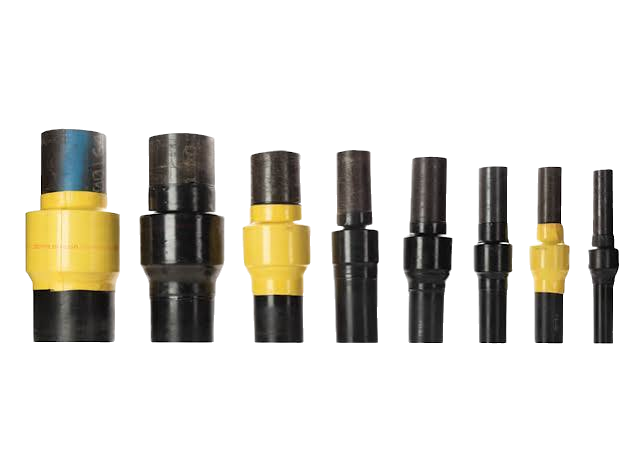
What is an HDPE LPG transition fitting (PE to steel)?
An HDPE LPG transition fitting is a specialized mechanical interface designed to safely connect underground polyethylene (PE) LPG pipelines to above-ground steel piping systems. It ensures structural compatibility, corrosion isolation, and pressure integrity across two dissimilar materials used in LPG distribution networks.
In Kenya and East Africa, where LPG infrastructure is rapidly expanding in Nairobi, Mombasa, Kisumu, and industrial corridors such as Athi River, this transition point is one of the most critical safety interfaces in the entire pipeline system.
Related Products
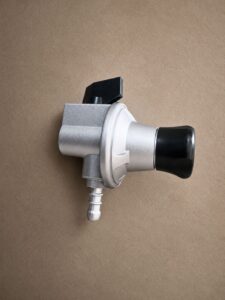
These fittings are widely used in systems designed under EPRA licensing requirements and KEBS material compliance frameworks, ensuring safe transition between buried and exposed pipeline sections.
They are typically part of larger engineered LPG systems such as advanced polyethylene LPG piping networks used in modern distribution infrastructure.
Why PE to steel transitions are critical in LPG systems
Underground PE pipes are corrosion-resistant and flexible, while above-ground steel pipes provide mechanical strength and heat resistance. However, joining them directly without a proper transition fitting introduces risks such as:
- Galvanic corrosion
- Pressure leakage at material interface
- Mechanical stress failure due to thermal expansion mismatch
HDPE LPG transition fittings eliminate these risks by providing a controlled, sealed, and corrosion-isolated interface between both systems.
2. Commercial & Industrial Applications of HDPE LPG transition fitting
HDPE LPG transition fittings are used in bulk LPG distribution networks to connect underground polyethylene pipelines to above-ground steel systems. They ensure safe pressure transfer, corrosion isolation, and structural integrity in long-distance gas supply infrastructure across industrial and commercial installations.
These systems are commonly deployed in urban LPG distribution networks feeding commercial and residential bulk storage facilities.
They are often installed alongside LP gas train equipment for regulated pressure control.
Industrial Plants & Manufacturing Facilities
Factories require underground gas supply lines for safety and space optimization, transitioning to steel piping at entry points. Transition fittings ensure safe fuel delivery into boilers, furnaces, and production systems.
Hospitality & Commercial Kitchens
Hotels and commercial kitchens rely on underground LPG supply systems for aesthetics and safety. Transition fittings ensure secure routing into above-ground kitchen gas manifolds.
Agricultural & Cold Storage Facilities
Agricultural processing plants use underground LPG lines for grain drying and refrigeration systems. Transition fittings ensure safe integration with above-ground equipment systems.
3. Engineering Specifications & Technical Performance
HDPE LPG transition fittings are hybrid mechanical assemblies designed to join polyethylene and steel piping systems while maintaining corrosion isolation, pressure integrity, and mechanical stability in LPG distribution networks.
Technical Specifications Table of HDPE LPG transition fitting
| Parameter | Specification | Engineering Notes |
|---|---|---|
| Pipe Compatibility | PE80 / PE100 to carbon steel / stainless steel | Standard LPG pipeline materials |
| Pressure Rating | PN10 – PN25 | Suitable for underground LPG systems |
| Connection Type | Compression / threaded / flanged transition | Application dependent |
| Corrosion Protection | Electrochemical isolation barrier | Prevents galvanic corrosion |
| Temperature Range | -20°C to 60°C | Underground to ambient transition |
| Seal Type | Elastomeric / mechanical compression seal | High-integrity gas sealing |
| Installation Depth | 0.8m – 1.2m underground | Standard LPG burial depth |
System Integration Note
These fittings are typically installed with industrial LPG piping systems to ensure continuous underground distribution integrity.
4. Comparative Technical Analysis of HDPE LPG transition fitting
| Feature | HDPE to Steel Transition Fitting | Direct Pipe Join | Rubber Coupling |
|---|---|---|---|
| Corrosion Protection | High | None | Low |
| Pressure Integrity | High | Low | Medium |
| LPG Suitability | Certified | Unsafe | Limited |
| Underground Use | Yes | No | Limited |
| Lifespan | Long-term (20+ years) | Short | Medium |
5. Installation, Testing & Commissioning Best Practices
Installation of HDPE LPG transition fittings requires precise alignment between polyethylene and steel piping systems, proper burial depth control, and corrosion isolation verification. The fitting must be pressure tested and electrically isolated to prevent galvanic corrosion and ensure long-term integrity.
Engineering Workflow
- Excavation and trench preparation
- PE pipe fusion or compression fitting preparation
- Steel riser alignment and support anchoring
- Installation of transition fitting with torque control
- Backfilling with protective sand layer
- Hydrostatic pressure testing
- Leak detection and system certification
Commissioning Checklist
| Step | Requirement | Acceptance Criteria |
|---|---|---|
| Pressure Test | Hydrostatic or pneumatic | No leakage |
| Corrosion Isolation | Electrical separation check | Verified isolation |
| Joint Integrity | Mechanical inspection | Secure alignment |
| Leak Detection | Gas detection test | Zero leakage |
6. Regulatory Compliance, Certification & Safety of HDPE LPG transition fitting
HDPE LPG transition fittings must comply with:
- EPRA (Energy and Petroleum Regulatory Authority) LPG distribution licensing requirements
- KEBS (Kenya Bureau of Standards) material and pressure certification standards
- OSHA / DOSHS excavation and pipeline safety regulations
- NFPA 58 Liquefied Petroleum Gas Code for underground systems
For system design and installation support, see our professional LPG engineering services.
7. Frequently Asked Questions (FAQ)
1: Why are PE to steel transition fittings necessary in LPG systems?
They safely connect underground polyethylene pipelines to above-ground steel piping while preventing corrosion and pressure leakage.
2: Can HDPE pipes be directly connected to steel pipes?
No. Direct connection causes mechanical stress and galvanic corrosion. A certified transition fitting is required.
3: Where are these fittings commonly used in Kenya?
They are used in LPG distribution networks, industrial plants, hotels, and bulk storage facilities.
4: How long do transition fittings last?
Properly installed fittings can last over 20 years depending on soil conditions and system maintenance.
8. Engineering Conclusion
HDPE LPG transition fittings are critical safety components in modern LPG infrastructure, ensuring secure and corrosion-free integration between underground polyethylene pipelines and above-ground steel systems. Their role is essential in maintaining system integrity across Kenya’s expanding LPG distribution networks.
When integrated into engineered systems such as complete LPG piping installations and regulated by EPRA and KEBS standards, these fittings significantly reduce failure risk and enhance long-term operational safety.
Megtraco Kenya Ltd continues to deliver engineered LPG transition solutions designed for durability, compliance, and safe energy distribution across East Africa.
- Megtraco Kenya
- Services
- Products Catalogue
- Polyethylene LPG Piping
- LP Gas Train Equipment
- Request Quote
Call To Action BLOCK
Your Trusted LPG & Fire Safety Engineering Partner in East Africa
Whether you’re designing a new LPG installation, upgrading industrial gas systems, or enhancing fire safety compliance, Megtraco Kenya Ltd delivers certified engineering solutions backed by decades of expertise. From LPG equipment supply and pipeline installations to fire suppression and detection systems, our experienced team provides reliable solutions for commercial, industrial, and institutional projects across East Africa.
Contact us today for professional consultation, engineering support, or a customized quotation.
You May Also Like

WHY CHOOSE MEGTRACO KENYA LTD
• Established Since 1969 – Decades of proven engineering excellence.
• KEBS Certified Products – Guaranteed quality and compliance with regional standards.
• EPRA Licensed LPG Engineering Company – Fully certified to design, install, and commission.
• Industrial & Commercial LPG Specialists – Scaled to handle heavy-duty thermal requirements.
• Fire Suppression & Fire Detection Experts – End-to-end asset protection.
• Regional Operational Footprint – Serving Nairobi, Mombasa, Kisumu, Nakuru, Eldoret, Thika, Machakos, East Africa, and beyond.
Contact Megtraco Kenya Ltd
• Email: sales@megtracokenya.com
• Sales: +254 725 870 114
• Technical: +254 733 721 598
• WhatsApp: +254 799 086 323
• Location: Nairobi, Kenya – Serving East Africa
• Website: https://megtracokenya.com
Request a Quote today and partner with East Africa’s trusted LPG and fire safety engineering company since 1969.
