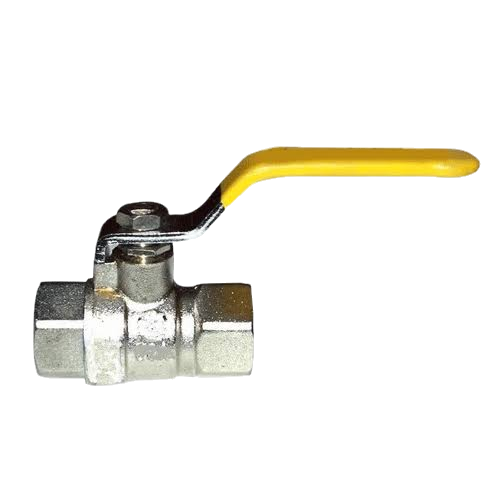
What is an anti-static LPG ball valve?
An anti-static LPG ball valve is a safety-engineered isolation valve designed to prevent electrostatic discharge during LPG transfer. It maintains electrical continuity between the pipeline, valve body, and grounding system, eliminating ignition risks in high-flow hydrocarbon environments.
In Kenya’s expanding LPG infrastructure—especially in Nairobi, Mombasa, and Kisumu—these valves are mandatory in bulk storage and filling stations regulated by EPRA and aligned with KEBS and NFPA 58 standards.
Related Products
Modern LPG systems are increasingly interconnected with automation systems, vaporizers, and leak detection networks such as those described in our industrial gas safety systems framework.
Why anti-static protection matters in LPG systems
During LPG transfer, friction between liquid hydrocarbons and pipeline walls generates electrostatic charge. If not properly dissipated, this can ignite vapor-air mixtures.
Anti-static LPG ball valves eliminate this hazard by ensuring controlled grounding continuity across the system. This is especially critical in high-volume depots using LPG vaporizers for pressure stabilization during peak demand.
2. Commercial & Industrial Applications of Anti-static LPG ball valve
Industrial & Manufacturing Applications
Anti-static LPG ball valves are widely used in thermal energy systems, steam boilers, and production furnaces across Kenya’s industrial zones.
These systems are often integrated with LP gas train equipment to ensure controlled fuel delivery and emergency isolation during process shutdowns.
Hospitality & Food Processing
Hotels, resorts, and industrial kitchens rely on centralized LPG systems where rapid flow switching is required. Anti-static valves ensure safe operation during high-demand cooking cycles.
Many of these systems are installed alongside control panels that automate ignition and safety interlocks.
Healthcare & Institutional Facilities
Hospitals and universities require uninterrupted energy supply. Anti-static LPG valves reduce operational risks while ensuring compliance with OSHA/DOSHS safety requirements.
Agricultural & Logistics Applications
In agriculture, LPG is used for grain drying, cold storage, and forklift operations. Anti-static valves ensure safe refueling operations in warehouses and logistics hubs.
Fleet systems often rely on forklift cylinder systems for safe LPG handling.
3. Engineering Specifications & Technical Performance
Anti-static LPG ball valves are full-bore quarter-turn valves designed with conductive internal assemblies that prevent static charge accumulation during hydrocarbon flow.
Technical Specifications Table of Anti-static LPG ball valve
| Parameter | Specification | Notes |
|---|---|---|
| Body Material | Carbon Steel / SS304 / SS316 | Corrosion-resistant LPG compatibility |
| Pressure Rating | PN16 – PN40 | Suitable for bulk LPG systems |
| Temperature Range | -40°C to +120°C | Industrial-grade tolerance |
| Valve Type | Full bore ball valve | Minimal pressure drop |
| Anti-static Resistance | <10 ohms continuity | NFPA 58 compliant |
| End Connections | Flanged / Threaded | Pipeline integration |
| Operation | Manual / Pneumatic | Automation-ready |
System Integration Note
These valves are often installed alongside polyethylene LPG piping systems for underground and above-ground distribution networks.
4. Comparative Technical Analysis
| Feature | Anti-static Ball Valve | Standard Ball Valve | Butterfly Valve |
|---|---|---|---|
| Static Protection | Yes | No | No |
| LPG Suitability | High | Medium | Low |
| Fire Risk Reduction | Very High | Low | Medium |
| Industrial Use | Depots, filling stations | Water systems | Low-pressure fluids |
5. Installation, Testing & Commissioning Best Practices
Installation Overview
Anti-static LPG ball valves must be installed with verified grounding continuity and torque-controlled flange connections.
Proper system integration is essential when connected to advanced LPG piping networks to ensure full system safety.
Commissioning Checklist
| Step | Requirement | Acceptance Criteria |
|---|---|---|
| Pressure Testing | Hydrostatic test | No leakage |
| Grounding Test | Continuity check | <10 ohms |
| Leak Detection | Gas detector / soap test | Zero leakage |
| Functional Test | Valve cycling | Smooth operation |
6. Regulatory Compliance, Certification & Safety
Anti-static LPG ball valves must comply with:
- EPRA (Energy and Petroleum Regulatory Authority) installation requirements
- KEBS (Kenya Bureau of Standards) certification for LPG equipment
- OSHA / DOSHS workplace safety regulations
- NFPA 58 & NFPA 77 global LPG and static control standards
For system-level compliance, Megtraco provides full engineering support via professional LPG consultation services.
7. Frequently Asked Questions (FAQ)
1: How does an anti-static LPG ball valve improve safety?
It prevents ignition by eliminating electrostatic discharge through conductive grounding between valve components and piping systems.
2: Where are anti-static LPG valves required in Kenya?
They are mandatory in LPG depots, filling stations, and bulk transfer systems regulated by EPRA and KEBS.
3: How often should LPG valves be inspected?
Every 6–12 months depending on system load, with full shutdown inspection annually.
4: What systems are they commonly integrated with?
They are used alongside LPG vaporizers, leak detectors, and control panels in industrial systems.
8. Engineering Conclusion
Anti-static LPG ball valves are critical safety components in modern LPG infrastructure across Kenya and East Africa. Their role extends beyond mechanical isolation to electrostatic risk prevention in high-pressure hydrocarbon systems.
When properly integrated into engineered systems—including complete LPG solutions and safety architectures—they significantly reduce fire risk, improve compliance, and enhance operational reliability.
Megtraco Kenya Ltd continues to support industrial clients with fully engineered LPG systems designed for safety, performance, and regulatory compliance.
For full system design and consultation, explore our engineering services or learn more about our company expertise.
- Megtraco Kenya Ltd
- Products Catalogue
- Fire Suppression Systems
- Leak Detection Systems
- Request Quote
- Contact Megtraco
MANDATORY Call To Action
Your Trusted LPG & Fire Safety Engineering Partner in East Africa
Whether you’re designing a new LPG installation, upgrading industrial gas systems, or enhancing fire safety compliance, Megtraco Kenya Ltd delivers certified engineering solutions backed by decades of expertise. From LPG equipment supply and pipeline installations to fire suppression and detection systems, our experienced team provides reliable solutions for commercial, industrial, and institutional projects across East Africa.
Contact us today for professional consultation, engineering support, or a customized quotation.
You May Also Like

WHY CHOOSE MEGTRACO KENYA LTD
• Established Since 1969 – Decades of proven engineering excellence.
• KEBS Certified Products – Guaranteed quality and compliance with regional standards.
• EPRA Licensed LPG Engineering Company – Fully certified to design, install, and commission.
• Industrial & Commercial LPG Specialists – Scaled to handle heavy-duty thermal requirements.
• Fire Suppression & Fire Detection Experts – End-to-end asset protection.
• Regional Operational Footprint – Serving Nairobi, Mombasa, Kisumu, Nakuru, Eldoret, Thika, Machakos, East Africa, and beyond.
Contact Megtraco Kenya Ltd
• Email: sales@megtracokenya.com
• Sales: +254 725 870 114
• Technical: +254 733 721 598
• WhatsApp: +254 799 086 323
• Location: Nairobi, Kenya – Serving East Africa
• Website: https://megtracokenya.com
Request a Quote today and partner with East Africa’s trusted LPG and fire safety engineering company since 1969.
