Bulk LPG Refill Schedule: How to Never Run Dry Mid-Service
A well-planned bulk LPG refill schedule is essential for any business that depends on continuous LPG supply. Whether you operate a commercial kitchen, hotel, hospital, manufacturing plant, bakery, or food processing facility, running out of LPG during operations can result in production delays, financial losses, dissatisfied customers, and unnecessary emergency delivery costs. A properly managed bulk LPG refill schedule ensures gas is always available when your business needs it most.
Many businesses wait until tank levels appear low before placing an order. Unfortunately, this reactive approach often leads to supply interruptions, especially when demand suddenly increases or supplier delivery times are longer than expected. Developing a bulk LPG refill schedule based on actual consumption data, supplier lead times, and a defined safety reserve allows businesses to maintain uninterrupted operations while avoiding expensive emergency refills.
Related Products
Instead of relying on guesswork, successful facilities monitor daily gas consumption, analyse seasonal trends, and establish automatic refill points that keep operations running smoothly throughout the year.
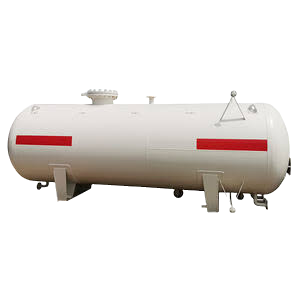
Megtraco Kenya Ltd designs and installs bulk LPG storage systems, LPG reticulation systems, tank monitoring solutions, and complete LPG engineering systems that help businesses maintain a reliable bulk LPG refill schedule across Kenya and East Africa.
Bulk LPG Refill Schedule: Why Planning Matters
Direct Answer: A reliable bulk LPG refill schedule ensures uninterrupted gas supply by combining actual LPG consumption, supplier lead times, and a predefined safety reserve. Proper planning prevents costly production stoppages and emergency deliveries.
LPG is often the primary energy source for many commercial and industrial operations.
Without a structured refill strategy, businesses risk:
- Production downtime
- Interrupted customer service
- Emergency refill charges
- Equipment shutdowns
- Revenue losses
These risks are largely preventable through a properly managed bulk LPG refill schedule.
Rather than waiting until the tank is nearly empty, businesses should establish refill points based on operational data and future demand.
An effective bulk LPG refill schedule provides greater control over fuel management while improving operational reliability.
Bulk LPG Refill Schedule: Understanding Daily LPG Consumption
The foundation of every bulk LPG refill schedule is accurate consumption data.
Businesses should understand:
- Average daily LPG usage
- Weekly consumption
- Monthly consumption
- Seasonal demand
- Peak production periods
Without these figures, it becomes difficult to predict when refills will actually be required.
Many facilities overestimate or underestimate their consumption because they rely on visual tank inspections instead of measured data.
Monitoring actual usage allows businesses to create a bulk LPG refill schedule that reflects real operating conditions.
Bulk LPG Refill Schedule: Why Running Out Is Expensive
Running out of LPG affects much more than fuel availability.
Depending on the business, interruptions may lead to:
- Production delays
- Lost sales
- Delayed customer orders
- Food spoilage
- Equipment shutdowns
- Overtime labour costs
For hotels and restaurants, an empty LPG tank can interrupt meal preparation during busy service periods.
For manufacturing plants, production lines may stop completely.
A properly planned bulk LPG refill schedule helps avoid these unnecessary costs.
Bulk LPG Refill Schedule: Protecting Business Continuity
Business continuity depends on reliable energy.
A professionally managed bulk LPG refill schedule ensures LPG deliveries are planned before critical tank levels are reached.
This approach allows businesses to:
- Maintain uninterrupted production
- Improve customer service
- Reduce operational risk
- Simplify inventory planning
Reliable LPG supply supports every aspect of business operations.
Bulk LPG Refill Schedule: Avoiding Emergency Refills
Emergency LPG deliveries are often more expensive than scheduled deliveries.
They may also be affected by:
- Traffic delays
- Limited vehicle availability
- Weather conditions
- Supplier scheduling constraints
Businesses that rely on emergency deliveries expose themselves to unnecessary operational risks.
An effective bulk LPG refill schedule eliminates most emergency refill situations by ensuring deliveries are arranged well before gas reserves become critically low.
Bulk LPG Refill Schedule: Measuring LPG Usage Correctly
Direct Answer: An accurate bulk LPG refill schedule begins with measuring real LPG consumption rather than relying on estimates or visual inspections.
Many businesses know their tank capacity but do not know how quickly they actually consume LPG.
This creates uncertainty when planning deliveries.
Instead, facilities should collect consumption information over several months.
Useful measurements include:
- Daily LPG consumption
- Weekly averages
- Monthly usage
- Peak seasonal demand
- Production-related consumption
This information forms the basis of a reliable bulk LPG refill schedule.
Bulk LPG Refill Schedule: Tracking Daily Gas Consumption
Daily monitoring allows businesses to identify changes in LPG demand before they become operational problems.
Tracking should include:
- Tank level readings
- Daily production volumes
- Burner operating hours
- Weather conditions where relevant
These records improve forecasting accuracy and make every bulk LPG refill schedule more reliable.
Bulk LPG Refill Schedule: Identifying Seasonal Demand Changes
Many businesses experience seasonal fluctuations in LPG consumption.
Examples include:
- Hotels during holiday seasons
- Food manufacturers during peak production
- Schools during academic terms
- Agricultural processors during harvest periods
These changes should always be incorporated into the bulk LPG refill schedule to ensure sufficient gas is available during busy periods.
Bulk LPG Refill Schedule: Managing Peak Demand
Peak demand often occurs when several gas appliances or production lines operate simultaneously.
During these periods:
- LPG consumption increases.
- Tank levels fall more quickly.
- Refill intervals become shorter.
A properly planned bulk LPG refill schedule accounts for these temporary increases rather than relying only on average daily usage.
Bulk LPG Refill Schedule: Monitoring Tank Levels
Modern LPG installations increasingly use electronic tank monitoring systems.
These systems provide:
- Real-time tank levels
- Consumption trends
- Refill alerts
- Historical usage reports
Digital monitoring significantly improves the accuracy of every LPG refill schedule while reducing manual inspections and planning errors.