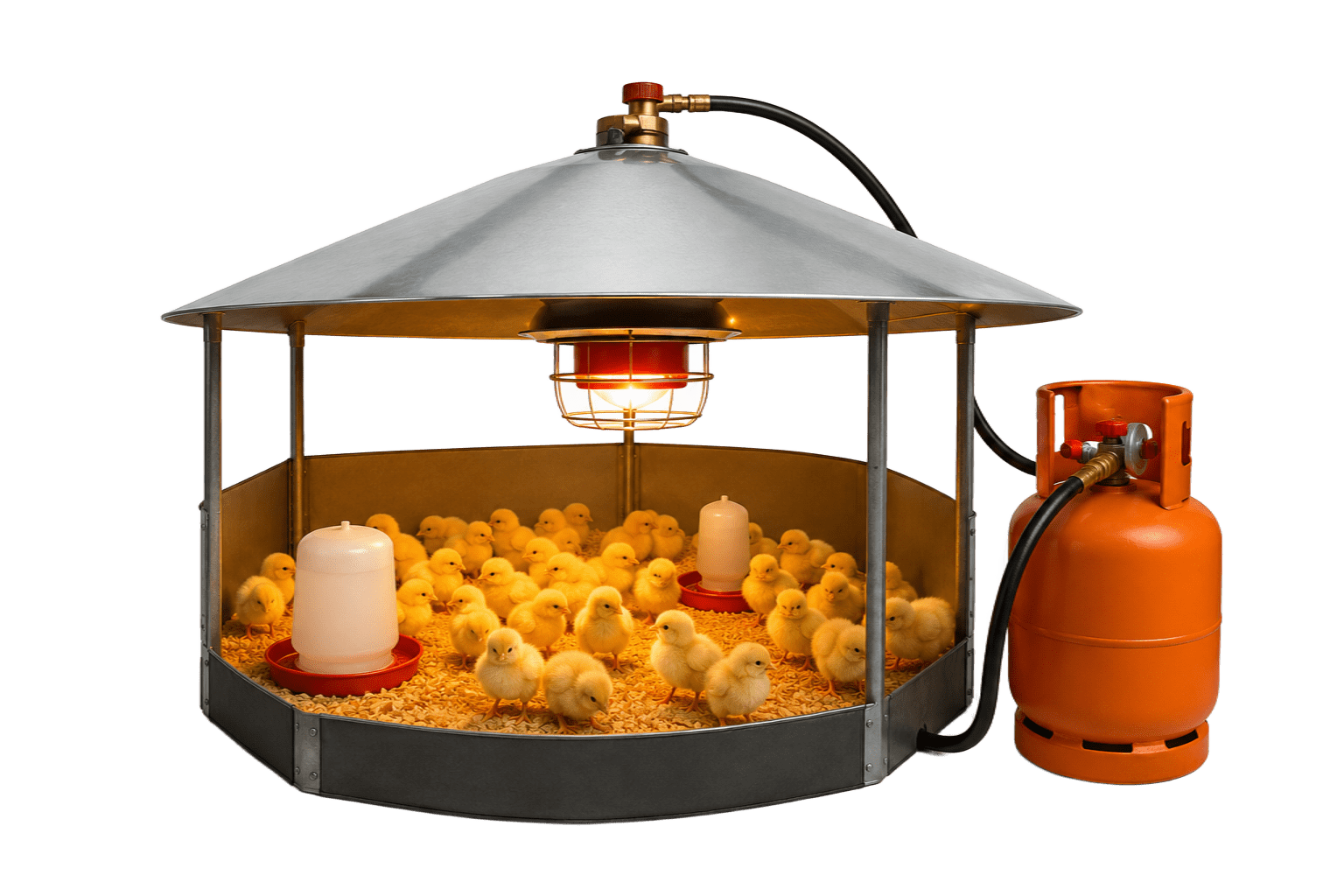
LPG for poultry brooding has become one of the most dependable heating solutions for modern poultry farms because it delivers clean, controllable, and consistent heat during the most critical stage of a chick’s life. During the first 21 days after hatching, young chicks cannot regulate their own body temperature effectively. For this reason, LPG for poultry brooding plays a vital role in maintaining healthy growth, reducing mortality, and improving flock performance.
A sudden temperature drop—even for a short period—can stress chicks, reduce feed intake, increase disease susceptibility, and cause significant losses. Many farmers experience these problems during the early hours of the morning when gas demand is high, ambient temperatures are low, and poorly designed LPG systems struggle to maintain adequate vapour pressure.
Related Products
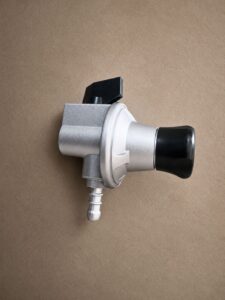
Understanding LPG for poultry brooding is therefore about much more than selecting a brooder heater. It involves choosing the correct LPG storage tank, sizing the gas supply properly, installing suitable regulators and pipework, and ensuring the system can maintain uninterrupted heat throughout every day and night of the brooding cycle.
Megtraco Kenya Ltd designs and installs bulk LPG storage systems, LPG reticulation systems, pressure regulation systems, vaporizers, and industrial LPG solutions that provide reliable heating for poultry farms across Kenya and East Africa.
LPG for Poultry Brooding: Why Consistent Heat Matters
Direct Answer: LPG for poultry brooding provides reliable, controllable heat that helps chicks maintain the correct body temperature during their first 21 days. Stable temperatures improve chick survival, encourage healthy feeding, and support rapid growth.
The first three weeks of life determine much of a bird’s future performance.
If chicks become cold during this period, they often:
- Eat less feed.
- Drink less water.
- Grow more slowly.
- Become stressed.
- Experience weakened immunity.
- Show higher mortality rates.
Even short periods without adequate heat can reduce overall flock performance.
A professionally designed LPG for poultry brooding system helps eliminate these risks by supplying stable heat throughout the brooding period.
Unlike fuels that produce inconsistent combustion or require constant manual attention, LPG offers precise temperature control that allows farmers to create an ideal environment for young chicks.
LPG for Poultry Brooding: Temperature Requirements for Chicks
Every stage of chick development requires careful temperature management.
Although exact temperatures vary depending on breed and management practices, brooding temperatures are generally reduced gradually over the first 21 days.
This gradual reduction allows chicks to develop their own temperature regulation naturally.
Using LPG for poultry brooding makes these adjustments easier because gas burners respond quickly to thermostat settings and changing environmental conditions.
Maintaining the correct temperature helps chicks:
- Remain active.
- Feed consistently.
- Grow uniformly.
- Develop strong immune systems.
LPG for Poultry Brooding: Why Heat Loss Is Dangerous
Heat loss can occur surprisingly quickly inside a poultry house.
Poor insulation, strong winds, equipment failure, or inadequate gas supply may all reduce brooder temperatures.
When temperatures fall below recommended levels:
- Chicks crowd together.
- Feed consumption decreases.
- Water intake drops.
- Growth slows.
- Disease risk increases.
Reliable LPG for poultry brooding reduces these risks by maintaining continuous heat regardless of changing weather conditions.
LPG for Poultry Brooding: Night-Time Temperature Drops
Many poultry farmers notice heating problems during the early morning hours.
This is often when:
- Outdoor temperatures are lowest.
- Gas demand remains high.
- Vapour pressure inside LPG tanks decreases.
If the LPG system has been undersized, burner performance may decline precisely when heating is needed most.
Properly engineered LPG for poultry brooding systems prevent these overnight temperature crashes by ensuring adequate gas supply throughout continuous operation.
LPG for Poultry Brooding: Cold Weather Challenges on Kenyan Farms
Although Kenya has generally favourable temperatures for poultry production, many regions experience cool nights and cold seasons.
High-altitude farming areas can experience lower overnight temperatures that increase brooder heating demand.
These conditions place additional pressure on LPG systems.
Professional engineers designing LPG for poultry brooding consider:
- Ambient temperature.
- Brooder size.
- Number of chicks.
- Building insulation.
- Operating hours.
This ensures the heating system remains reliable throughout the brooding cycle.
LPG for Poultry Brooding: Choosing the Right Gas Supply
Direct Answer: LPG for poultry brooding requires correctly sized LPG storage tanks, regulators, and distribution systems to maintain uninterrupted heat throughout the first 21 days.
One of the most common mistakes on poultry farms is underestimating LPG consumption.
Many farmers calculate only average gas usage.
In reality, LPG demand changes throughout the day depending on:
- Outdoor temperature.
- Number of operating brooders.
- Chick age.
- Building insulation.
- Ventilation rates.
A professional design ensures the gas supply comfortably meets peak demand rather than average demand.
Understanding LPG for poultry brooding helps farmers avoid situations where burners receive insufficient gas during the coldest part of the night.
LPG for Poultry Brooding: Calculating Brooder Gas Demand
The first step in system design is calculating total gas demand.
Engineers consider:
- Number of brooder heaters.
- Heat output per brooder.
- Daily operating hours.
- Simultaneous equipment operation.
- Future expansion plans.
These calculations determine the correct storage capacity and pipe sizing needed for reliable LPG for poultry brooding.
LPG for Poultry Brooding: Sizing LPG Storage Tanks
Choosing the correct LPG storage tank is essential for reliable heating.
An undersized tank may:
- Lose vapour pressure.
- Require frequent refilling.
- Reduce burner performance.
- Interrupt heating.
Properly sized tanks improve LPG for poultry brooding by maintaining sufficient vapour generation even during periods of continuous gas demand.
LPG for Poultry Brooding: Avoiding Gas Shortages
Running out of LPG during the brooding period can have immediate consequences.
A reliable system should include:
- Adequate storage capacity.
- Scheduled refilling.
- Gas level monitoring.
- Emergency planning.
These measures ensure LPG for poultry brooding continues without interruption.
LPG for Poultry Brooding: Planning for Peak Gas Demand
Gas demand often reaches its highest level during:
- Cold nights.
- Rainy seasons.
- Early chick development.
- Continuous brooder operation.
Professional LPG engineering solutions account for these peak conditions rather than average daily consumption.
This approach ensures LPG for poultry brooding delivers reliable heat whenever chicks need it most.