How to size an LPG vaporizer is an important step when designing a reliable LPG system for commercial and industrial applications. Correct sizing ensures the vaporizer can convert enough liquid LPG into vapour to meet appliance demand without pressure drops or supply interruptions.
Many LPG users focus on storage tank capacity, regulators, and pipework but overlook one of the most important components in high-demand systems: the vaporizer.
Related Products
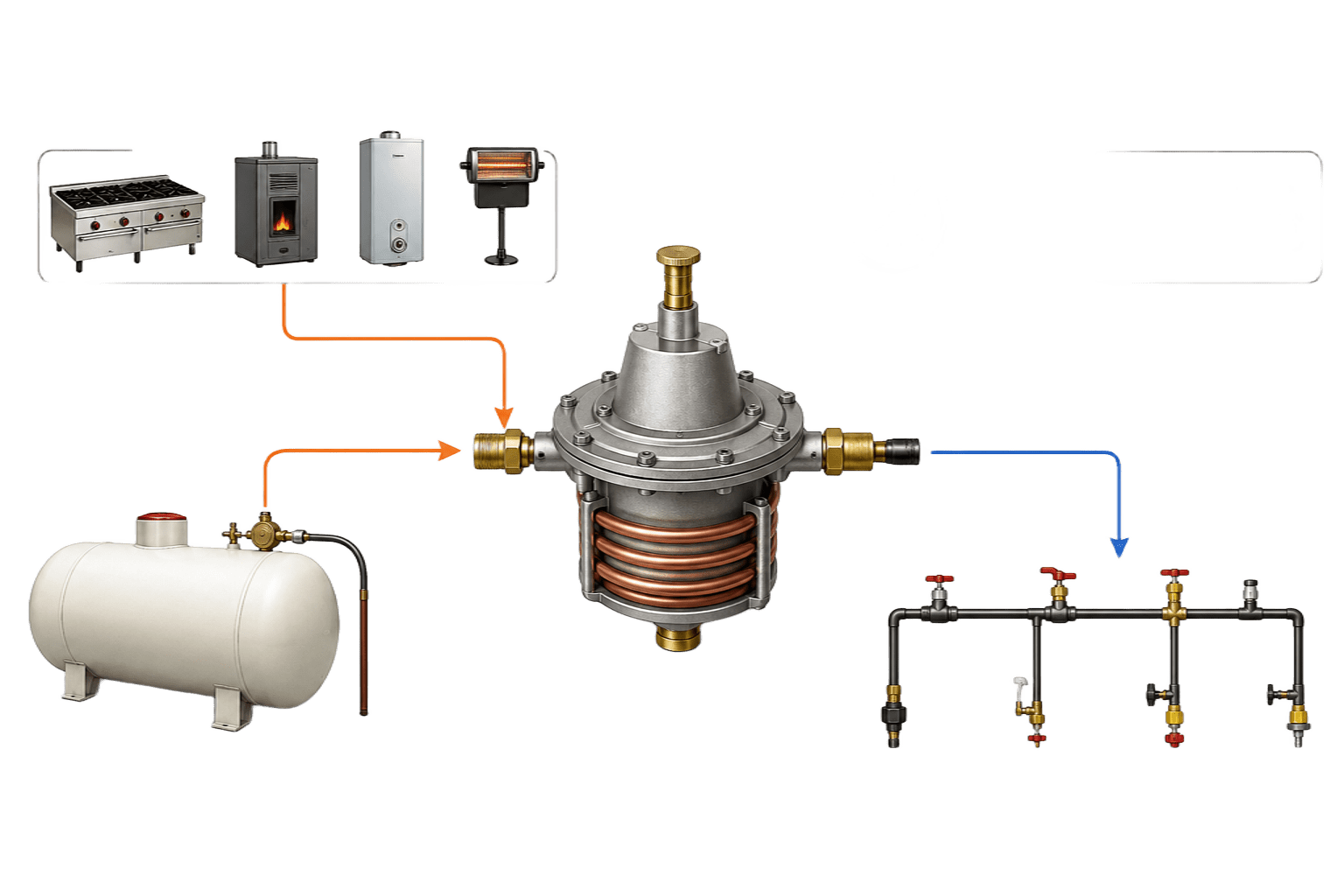
An LPG vaporizer is responsible for converting liquid LPG into vapour at a controlled rate. While small LPG systems can depend on natural vaporisation inside a cylinder or tank, larger installations require additional vaporisation capacity to keep up with demand.
Understanding how to size an LPG vaporizer helps businesses determine the correct equipment capacity based on:
- Total appliance consumption
- Peak gas demand
- Operating conditions
- Ambient temperature
- Future expansion requirements
A correctly sized vaporizer prevents problems such as:
- Low gas pressure
- Burner performance issues
- Unexpected supply interruptions
- Inefficient LPG usage
Industries, hotels, restaurants, hospitals, schools, and apartment developments often require professional LPG design to ensure every part of the system works together.
Megtraco Kenya Ltd provides professional LPG equipment solutions, including LPG vaporizer systems, bulk storage solutions, regulators, and complete gas distribution systems for commercial and industrial applications.
How to Size an LPG Vaporizer: Understanding LPG Demand
The first step in learning how to size an LPG vaporizer is identifying the total gas demand of every connected appliance. The combined LPG consumption determines the minimum vaporizer output required for the system.
Every LPG appliance has a specific gas consumption rating. This is normally provided by the manufacturer and measured in:
- kg/hr (kilograms per hour)
- kW (kilowatts)
- BTU/hr (British Thermal Units per hour)
Before selecting a vaporizer, the designer must create a complete list of LPG-powered equipment.
Common appliances include:
- Commercial cooking burners
- Ovens
- Boilers
- Water heaters
- Industrial heaters
- Drying equipment
- Manufacturing machinery
How to Size an LPG Vaporizer: Identifying Connected Appliances
How to size an LPG vaporizer correctly starts with knowing exactly which appliances will use LPG and how much gas each one consumes. Missing even one major appliance can result in an undersized system.
For example, a hotel kitchen may have:
| Appliance | LPG Consumption |
|---|---|
| Cooking range | 8 kg/hr |
| Oven | 6 kg/hr |
| Fryer | 5 kg/hr |
| Water heater | 10 kg/hr |
The total connected demand would be:
8 + 6 + 5 + 10 = 29 kg/hr
This figure represents the maximum LPG requirement if all appliances operate together.
How to Size an LPG Vaporizer: Calculating Total LPG Consumption
When calculating how to size an LPG vaporizer, the total LPG consumption must be converted into a required vaporization capacity. The vaporizer should produce enough vapour to meet the highest expected operating demand.
The basic calculation is:
Total LPG Load = Appliance 1 + Appliance 2 + Appliance 3 + Appliance 4
Once the total demand is known, additional allowance is normally considered.
A vaporizer should not operate constantly at 100% capacity because:
- Demand may increase
- Additional appliances may be added
- Weather conditions can affect performance
- Future expansion may be required
How to Size an LPG Vaporizer: Understanding Peak Demand
Peak demand is one of the most important factors when deciding how to size an LPG vaporizer. The system must handle periods when multiple appliances operate at the same time.
Many businesses make the mistake of calculating only average consumption.
However, LPG systems should be designed around maximum expected usage.
Examples:
A restaurant may use more LPG during:
- Breakfast preparation
- Lunch service
- Dinner service
A factory may have peak demand when:
- Multiple production lines operate
- Heating equipment runs simultaneously
- Processing equipment starts together
Planning for peak demand ensures stable LPG supply.
How to Size an LPG Vaporizer: Adding a Safety Margin
A safety margin helps ensure the vaporizer can handle unexpected increases in demand. Knowing how to size an LPG vaporizer includes allowing extra capacity instead of selecting a unit that exactly matches current consumption.
A common design approach is adding additional capacity above the calculated load.
For example:
Calculated LPG demand:
29 kg/hr
Safety allowance:
20%
Additional capacity:
29 × 20% = 5.8 kg/hr
Required vaporizer capacity:
29 + 5.8 = 34.8 kg/hr
The selected vaporizer would therefore need to provide approximately 35 kg/hr capacity or higher.
How to Size an LPG Vaporizer: Considering Future Expansion
Future growth should be considered when learning how to size an LPG vaporizer. Installing equipment that only meets today’s demand may create problems if additional appliances are added later.
Businesses often expand operations by adding:
- More kitchen equipment
- Additional production equipment
- Extra buildings
- More LPG users
A properly planned LPG system should allow for future increases without requiring a complete redesign.
Megtraco Kenya Ltd supports businesses with bulk LPG storage systems and professional LPG system planning to ensure reliable long-term performance.