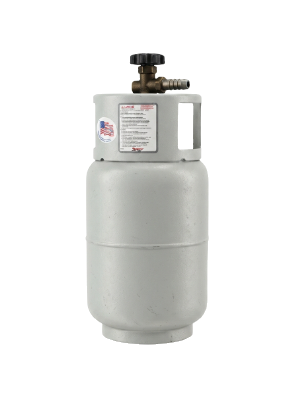
LPG tank leak signs are warning indicators that gas is escaping from a storage vessel, valve assembly, piping connection, or associated equipment. Commercial operators must identify these signs early because LPG leaks can create fire, explosion, and operational risks if not controlled through the correct emergency response procedure.
Commercial LPG installations are designed to provide reliable fuel supply for industries, hotels, restaurants, hospitals, manufacturing plants, and institutions. However, because LPG is stored under pressure, any abnormal condition around the storage tank requires immediate attention.
Related Products
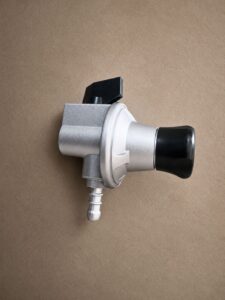
Understanding LPG tank leak signs allows facility managers and trained staff to respond before a minor issue develops into a major emergency.
Unlike ordinary fuel systems, LPG requires specialised safety controls because:
- LPG vapour is highly flammable
- Gas can accumulate in low areas
- Pressurised storage systems require controlled handling
- Small leaks can rapidly create hazardous conditions
A commercial LPG installation normally includes:
- Storage tanks
- Filling valves
- Service valves
- Pressure relief devices
- Regulators
- Gas pipelines
- Emergency shut-off systems
- Fire protection equipment
A leak can occur from any of these components, which is why identifying LPG tank leak signs requires knowledge of the complete system.
Professional LPG engineering companies such as Megtraco Kenya Ltd provide LPG storage solutions, safety systems, and technical support for commercial and industrial installations across Kenya and East Africa.
What Are LPG Tank Leak Signs?
LPG tank leak signs are physical, visual, or operational indications that LPG may be escaping from a storage system. The most common indicators include LPG odour, frost formation, hissing sounds, abnormal pressure readings, damaged fittings, and unusual vegetation changes near underground piping.
Because LPG itself is naturally odourless, an odorant is added to help users detect leaks. However, smell alone should not be the only detection method, especially in large commercial facilities.
The main LPG tank leak signs include:
| Leak Indicator | What It May Mean | Required Response |
|---|---|---|
| Strong LPG smell | Gas escaping from system components | Initiate safety checks |
| Frost or ice around fittings | Rapid gas expansion from leak point | Isolate area |
| Hissing sound | Pressurised gas release | Emergency inspection |
| Falling pressure readings | Possible loss of containment | Investigate immediately |
| Damaged valves or fittings | Mechanical failure risk | Stop operation if unsafe |
| Dead vegetation near buried lines | Possible underground leak | Professional detection |
Early recognition of these conditions helps prevent escalation.
LPG Tank Leak Signs Every Commercial Operator Must Know
LPG tank leak signs on commercial sites often appear before a major failure occurs. Trained personnel should understand these indicators and know when to activate emergency procedures instead of attempting unsafe repairs.
1. LPG Odour Around the Tank Area
One of the most recognisable LPG tank leak signs is the smell of gas near the storage area.
A commercial site may notice LPG odour around:
- Tank valves
- Pipe connections
- Filling points
- Pressure regulators
- Gas trains
A persistent smell indicates that the system requires inspection.
Staff should never ignore gas odour because the source may be difficult to identify without proper equipment.
2. Frost Formation on Valves or Connections
Another important LPG tank leak sign is frost appearing around a valve, fitting, or connection point.
Frost may occur because:
- LPG changes from liquid to vapour
- The expansion process absorbs heat
- The surrounding metal surface becomes extremely cold
Frost around equipment should be treated as a potential leak indicator.
Common areas where frost may appear include:
- Liquid withdrawal valves
- Pipe joints
- Tank fittings
- Damaged seals
3. Hissing or Unusual Gas Release Sounds
A hissing noise near an LPG tank may indicate pressurised gas escaping.
This is one of the more noticeable LPG tank leak signs, particularly in quiet areas.
Possible sources include:
- Loose fittings
- Damaged valves
- Pipeline connections
- Pressure control equipment
Personnel should not approach a suspected leak unnecessarily. The correct response is isolation and notification.
4. Pressure Changes in the LPG System
Commercial LPG systems operate within designed pressure ranges.
Unexpected pressure changes may indicate:
- Valve malfunction
- Leakage
- Regulator failure
- Equipment damage
Monitoring pressure is especially important for large installations using:
- Multiple tanks
- Vaporizers
- Automated gas systems
- Industrial burners
Megtraco Kenya Ltd supplies industrial LPG equipment designed for reliable commercial and industrial gas applications.
Why LPG Tank Leak Signs Require Immediate Action
LPG tank leak signs should never be ignored because a leaking storage system can quickly create a dangerous environment. Immediate isolation reduces the chance of ignition, equipment damage, and injury.
Commercial facilities should have a clear emergency response plan covering:
- Who shuts down the system
- Where emergency valves are located
- How alarms are activated
- How personnel are evacuated
- Who contacts emergency support
A common mistake is allowing untrained staff to investigate leaks physically. LPG systems require controlled procedures because disturbing equipment may increase gas release.
LPG Tank Leak Signs Around Valves and Fittings
Many LPG tank leak signs originate from connection points rather than the tank body itself. Valves, fittings, seals, and pipe connections require regular inspection because they experience mechanical stress during operation.
Common leak locations include:
Tank Valves
Tank valves control LPG movement into and out of the storage vessel.
Potential problems include:
- Damaged valve seals
- Mechanical wear
- Incorrect operation
- Corrosion
Pipe Connections
Pipeline joints require careful inspection because vibration and temperature changes can affect connections.
Possible issues include:
- Loose fittings
- Damaged threads
- Seal deterioration
Pressure Regulation Equipment
Regulators control gas pressure before supply reaches equipment.
A faulty regulator may contribute to:
- Unstable gas flow
- Pressure fluctuations
- Leakage conditions
Megtraco Kenya Ltd provides our leak detection technologies for identifying abnormal gas conditions in commercial and industrial environments.
Commercial LPG Tank Leak Detection Checklist
A structured inspection checklist helps commercial operators identify LPG tank leak signs before they become emergency situations. Regular checks should combine visual inspection, equipment monitoring, and professional maintenance.
| Inspection Area | Check Required | Frequency |
|---|---|---|
| Tank exterior | Corrosion, damage, abnormal conditions | Routine inspection |
| Valves | Leakage and physical condition | Regular checks |
| Pipework | Connections and support condition | Scheduled inspection |
| Safety equipment | Availability and condition | Regular verification |
| Pressure readings | Operating stability | Continuous monitoring |
A professional inspection programme should also include documentation of findings and corrective actions.
Preparing Staff for LPG Tank Leak Signs and Emergencies
Staff awareness is a critical part of managing LPG tank leak signs because early recognition and correct response can reduce risk. Employees working around LPG installations should understand warning indicators and emergency procedures.
Training should cover:
- LPG properties
- Leak recognition
- Emergency shutdown locations
- Fire safety procedures
- Reporting processes
A well-trained team responds faster and avoids unsafe actions during emergencies.