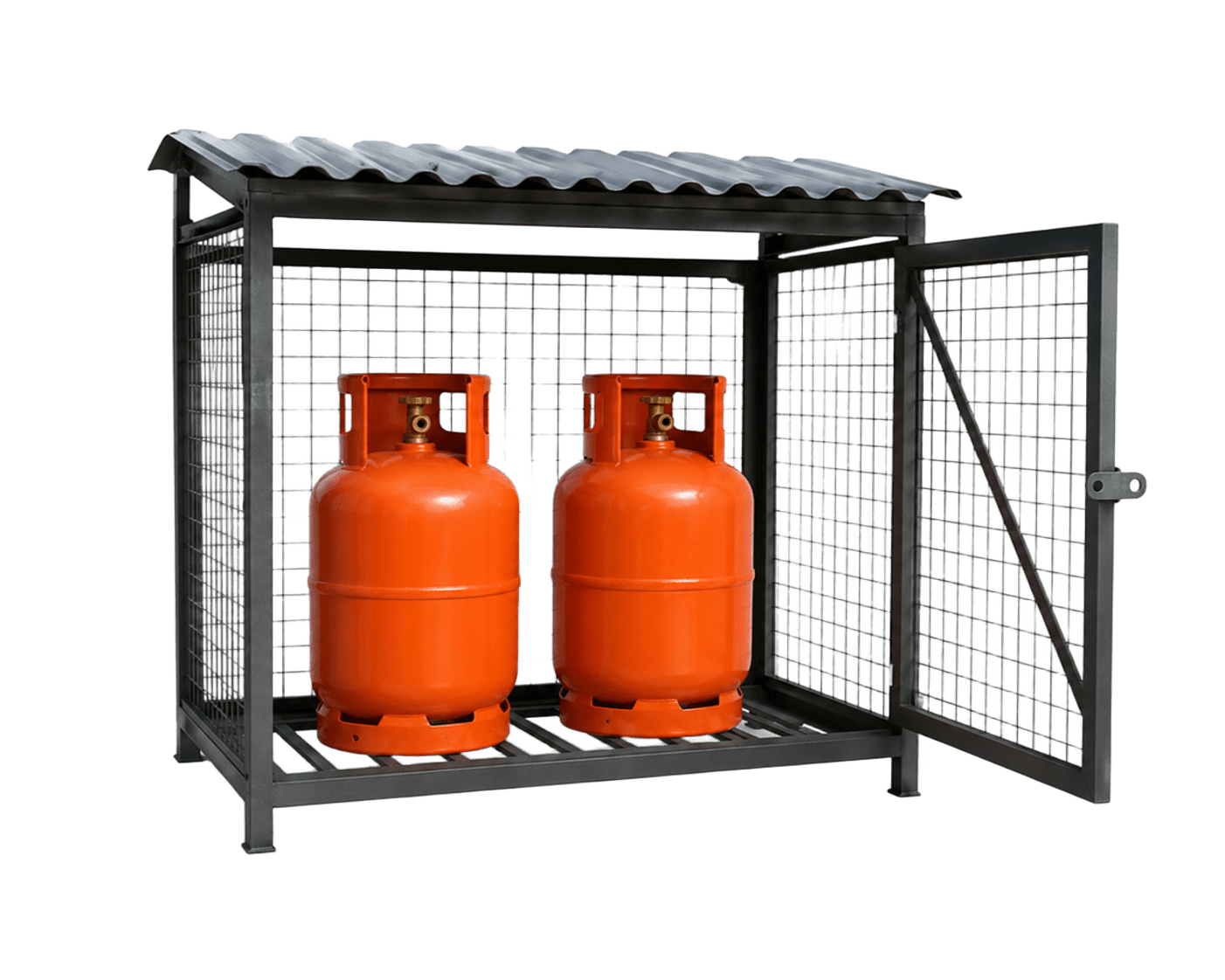
Liquefied Petroleum Gas (LPG) has become one of the most widely used energy sources in Kenya for homes, restaurants, hotels, schools, hospitals, and industrial facilities. Its efficiency, clean combustion, and convenience make it a preferred fuel; however, safe handling depends heavily on correct storage and transportation practices.
Storing gas cylinders safely is one of the most important requirements for preventing LPG leaks, fires, and cylinder-related accidents. A properly stored LPG cylinder should always remain upright, protected from heat sources, placed in a well-ventilated area, and secured against falling or mechanical damage.
Related Products
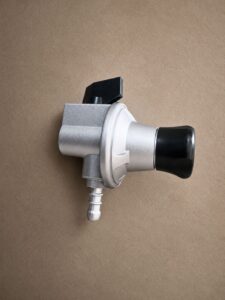
Many LPG incidents do not occur because the cylinder itself fails. Instead, accidents often result from poor storage conditions, incorrect handling, damaged valves, inadequate ventilation, or unsafe transportation methods.
At Megtraco Kenya Ltd, we support businesses and institutions with our LPG engineering solutions, supplying and implementing reliable LPG systems designed for safety, efficiency, and compliance across Kenya and East Africa.
What Does Storing Gas Cylinders Safely Mean?
Storing gas cylinders safely means keeping LPG cylinders upright, stable, ventilated, protected from heat and ignition sources, and accessible for inspection. Correct storage prevents gas accumulation, reduces fire risks, and protects cylinder valves from damage.
A safe LPG cylinder storage arrangement considers several engineering factors:
- Cylinder position
- Storage location
- Ventilation
- Security against movement
- Distance from ignition sources
- Protection from weather and physical damage
Whether used in a household kitchen or a large commercial facility, the principles of storing gas cylinders safely remain the same.
Why Storing Gas Cylinders Safely Is Critical for LPG Safety in Kenya
Storing gas cylinders safely is critical because LPG vapour can become hazardous when it accumulates in enclosed spaces. Proper storage reduces the possibility of leaks reaching ignition sources and improves overall fire prevention.
Kenya has experienced rapid growth in LPG adoption due to increased demand from households, hospitality businesses, manufacturing companies, and institutions.
However, improper storage practices continue to create unnecessary risks, including:
- Cylinders kept inside poorly ventilated rooms
- Gas cylinders placed near cooking flames
- Unsecured cylinders that can fall
- Storage areas exposed to excessive heat
- Poor access for emergency response
Professional LPG storage design considers local safety requirements, including guidance from regulatory bodies such as:
- Energy and Petroleum Regulatory Authority (EPRA) for LPG licensing and safety requirements.
- Kenya Bureau of Standards (KEBS) for applicable LPG equipment and product standards.
- Directorate of Occupational Safety and Health Services (DOSHS) for workplace safety requirements.
- International references such as NFPA 58 Liquefied Petroleum Gas Code where applicable.
Storing Gas Cylinders Safely Starts With Upright Positioning
Keeping LPG cylinders upright is a fundamental rule when storing gas cylinders safely. Upright positioning keeps the valve area correctly oriented and reduces the possibility of liquid LPG entering regulators or appliances.
An LPG cylinder contains both liquid and vapour phases. The cylinder is designed to operate in an upright position so that only vapour is normally supplied through the valve.
Incorrect positioning can create risks such as:
| Incorrect Practice | Potential Risk |
|---|---|
| Laying cylinders horizontally | Liquid LPG may enter equipment |
| Stacking cylinders carelessly | Cylinders may fall or be damaged |
| Tilting cylinders | Unsafe valve operation |
| Blocking access to valves | Difficult emergency isolation |
For commercial users, correct cylinder arrangement is especially important because multiple cylinders may be stored together.
Businesses requiring engineered LPG installations can explore industrial LPG equipment designed for commercial and industrial applications.
Why Upright Storage Prevents LPG Safety Problems
How Incorrect Cylinder Positioning Creates Hazards
A cylinder that is not stored upright may experience:
- Regulator malfunction
- Unstable gas supply
- Increased equipment wear
- Difficult emergency shutdown
Storing gas cylinders safely begins with maintaining the cylinder in its intended operating position.
Storing Gas Cylinders Safely Requires Proper Ventilation
Ventilation is a major requirement when storing gas cylinders safely because LPG vapour is heavier than air and can collect in low areas. Adequate airflow allows leaked gas to disperse before reaching dangerous concentrations.
A common misconception is that LPG disappears quickly after a leak. In reality, LPG can settle near floors, drains, pits, and enclosed spaces.
Poor ventilation can occur when cylinders are stored:
- Inside cupboards
- Under sinks
- In enclosed rooms
- In poorly designed cabinets
- Near underground spaces
Ventilation Requirements for Storing Gas Cylinders Safely
Proper LPG storage areas should provide:
- Continuous airflow
- Open ventilation points
- Protection from rain and direct weather exposure
- Clear access around cylinders
- Separation from ignition sources
Commercial kitchens, hotels, and institutions often require dedicated LPG cylinder storage areas designed according to project requirements.
Megtraco Kenya Ltd provides customized engineering solutions for LPG systems, including storage planning, equipment selection, and safety-focused installations.
Storing Gas Cylinders Safely Through Proper Cylinder Security
Securing cylinders prevents movement, impact damage, and accidental valve failure. A secure storage arrangement is an essential part of storing gas cylinders safely in both residential and commercial environments.
Cylinder security methods include:
- Dedicated LPG cages
- Proper cylinder stands
- Restricted access areas
- Protective barriers
- Correct cylinder spacing
For businesses handling multiple LPG cylinders, professionally designed storage areas improve safety and simplify inspections.
LPG Cylinder Storage Safety Checklist
| Safety Area | Requirement |
| Position | Cylinders stored upright |
| Ventilation | Adequate airflow provided |
| Location | Away from flames and heat |
| Security | Protected against falling |
| Access | Easy inspection and emergency access |
| Condition | No visible damage or leakage |
Contact Megtraco Kenya Ltd
Your Trusted LPG & Fire Safety Engineering Partner in East Africa
Whether you need professional guidance on storing gas cylinders safely, upgrading LPG storage facilities, designing a commercial gas system, or improving fire safety compliance, Megtraco Kenya Ltd provides reliable engineering solutions backed by decades of industry experience.
From LPG equipment supply and installation support to gas safety inspections, leak detection, and fire protection systems, our team delivers practical solutions for residential, commercial, institutional, and industrial applications across East Africa.
Contact Megtraco Kenya Ltd
Email: sales@megtracokenya.com
Sales: +254 725 870 114
Technical: +254 733 721 598
WhatsApp: +254 799 086 323
Location: Nairobi, Kenya – Serving East Africa
Website: https://megtracokenya.com
You May Also Like

Get Professional LPG Engineering Support
For LPG storage planning, cylinder safety assessments, commercial installations, fire safety equipment, or a customized engineering consultation, contact Megtraco Kenya Ltd today.
Partner with East Africa’s trusted LPG and fire safety engineering company since 1969.
