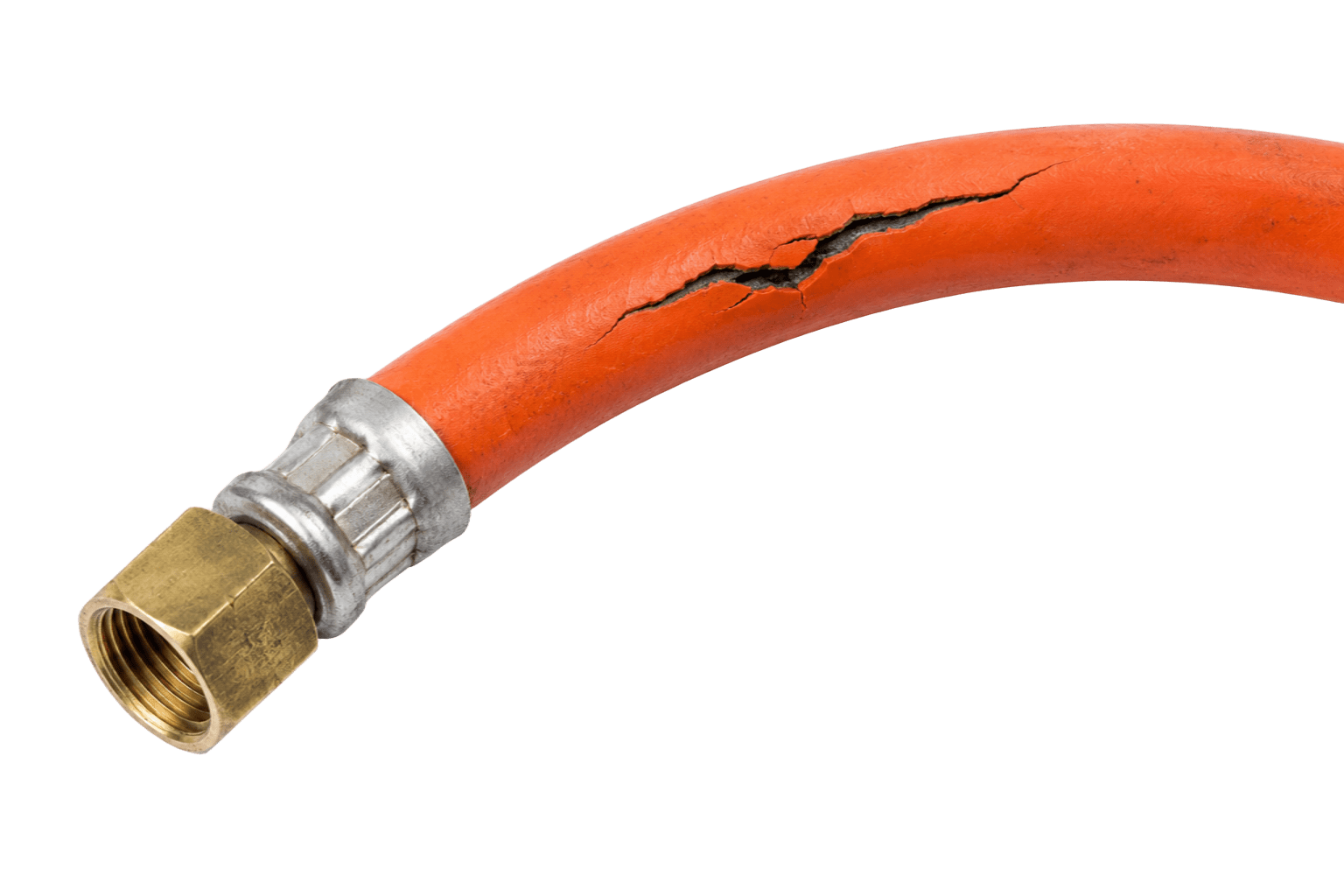
A cracked gas hose is one of the most common and overlooked LPG safety risks in Kenyan kitchens, restaurants, hotels, institutions, and commercial facilities. While many users focus mainly on the cylinder, regulator, or cooker, the flexible hose connecting the LPG supply to the appliance is often the weakest point in the system.
A small cracked gas hose may appear harmless, but tiny surface splits can gradually develop into serious gas leakage points. When LPG escapes into an enclosed kitchen area, it can accumulate and create a fire hazard if it comes into contact with an ignition source such as an open flame, electrical spark, or hot cooking equipment.
Related Products
Across Kenya and East Africa, LPG remains a critical energy source for households and businesses because of its efficiency, cleaner combustion, and reliability. However, safe LPG usage depends on correct installation, quality components, regular inspection, and proper maintenance.
Megtraco Kenya Ltd provides our LPG engineering solutions for residential, commercial, and industrial applications, helping customers implement safer LPG systems through quality equipment, professional installation, and engineering support.
What Is a Cracked Gas Hose?
A cracked gas hose is an LPG flexible connection hose that has developed visible or hidden damage due to aging, heat exposure, chemical contact, physical stress, or poor installation. These cracks can allow LPG to escape and create a potential fire or safety hazard.
An LPG hose is designed to safely transfer gas from the regulator or gas supply point to an appliance. Because the hose operates under pressure and is often exposed to kitchen conditions, it requires regular inspection.
A damaged hose may not immediately show a large split. In many cases, deterioration begins internally before becoming visible externally.
Why a Cracked Gas Hose Is a Serious LPG Safety Risk in Kenya
A cracked gas hose becomes dangerous because LPG can escape through small openings and accumulate in poorly ventilated areas. Early identification and replacement of damaged hoses significantly reduces the risk of gas leaks, fires, and equipment damage.
Several factors increase the risk of hose failure in Kenyan environments:
| Risk Factor | Effect on LPG Hose |
|---|---|
| High kitchen temperatures | Accelerates rubber ageing |
| Direct sunlight | Causes UV degradation |
| Cooking oils and grease | Weakens rubber materials |
| Sharp bends | Creates mechanical stress |
| Poor installation | Causes premature damage |
| Old hose materials | Reduces flexibility and strength |
Commercial kitchens experience even greater exposure because equipment operates for longer hours and hoses are often located close to burners, ovens, and cooking surfaces.
Businesses managing hotels, restaurants, hospitals, schools, and food processing facilities should consider professional LPG assessments through professional engineering consultation to identify potential failures before they affect operations.
The Common Causes of a Cracked Gas Hose
The main causes of a cracked gas hose include excessive heat, sunlight exposure, aging rubber, chemical contamination, incorrect installation, and mechanical damage. Most hose failures develop gradually and can be prevented through regular LPG hose inspection.
Understanding these causes helps homeowners and businesses identify problems before a gas leak occurs.
How Heat Exposure Creates a Cracked Gas Hose
Continuous exposure to heat is one of the leading reasons a cracked gas hose develops. LPG hoses installed too close to burners, ovens, or hot surfaces experience accelerated rubber deterioration.
High temperatures can cause:
- Loss of flexibility
- Hardening of rubber
- Surface cracking
- Weakening of reinforcement layers
- Reduced pressure resistance
In commercial kitchens, incorrect hose routing is a common problem. A hose touching hot equipment may deteriorate much faster than one installed correctly.
How Sunlight and UV Radiation Damage LPG Hoses
Outdoor LPG installations require protection from direct sunlight. Ultraviolet radiation gradually breaks down rubber compounds, causing a cracked gas hose to form over time.
Signs of UV damage include:
- Faded hose colour
- Dry surface texture
- Small cracks along the outer layer
- Reduced flexibility
Where exposed LPG systems are required, proper installation methods and suitable materials should be considered.
Megtraco Kenya Ltd supplies and supports engineered LPG components, including industrial LPG equipment designed for demanding commercial and industrial applications.
How Age Creates a Cracked Gas Hose
Age-related deterioration is one of the most common reasons a cracked gas hose develops. Rubber materials naturally lose flexibility over time, making them more vulnerable to cracking, splitting, and leakage.
Even when a hose appears visually acceptable, internal deterioration may already have started.
Aging indicators include:
- Hard rubber texture
- Reduced flexibility
- Surface cracking
- Brittleness when bent
- Loose connections
Replacing old hoses before failure occurs is an essential part of LPG safety management.
Signs of a Cracked Gas Hose Before It Starts Leaking
The early signs of a cracked gas hose include visible surface cracks, stiff rubber, discoloration, bulging areas, damaged fittings, and unusual LPG smells. Regular inspection allows problems to be corrected before they become dangerous.
Visual Warning Signs
Inspect the hose for:
- Small surface cracks
- Splitting near connection points
- Cuts or abrasions
- Flattened sections
- Swelling or bulging areas
A hose showing any of these conditions should be replaced rather than repaired.
Changes in Rubber Condition
A healthy LPG hose should remain flexible and maintain its shape. A cracked gas hose often becomes:
- Hard
- Dry
- Brittle
- Less flexible
- Discoloured
These changes indicate that the material is losing its ability to safely contain LPG pressure.
LPG Hose Inspection Checklist
| Inspection Area | What to Check |
| Hose surface | Cracks, cuts, splitting |
| Flexibility | Hard or brittle rubber |
| Connections | Loose fittings or damage |
| Location | Contact with heat sources |
| Condition | Aging or deterioration |
| Smell | LPG odour indicating possible leakage |
A routine inspection should form part of every LPG safety programme, especially in commercial kitchens where continuous operation increases exposure to risk.