The Real Causes of Gas Fires in Kitchens Across Kenya
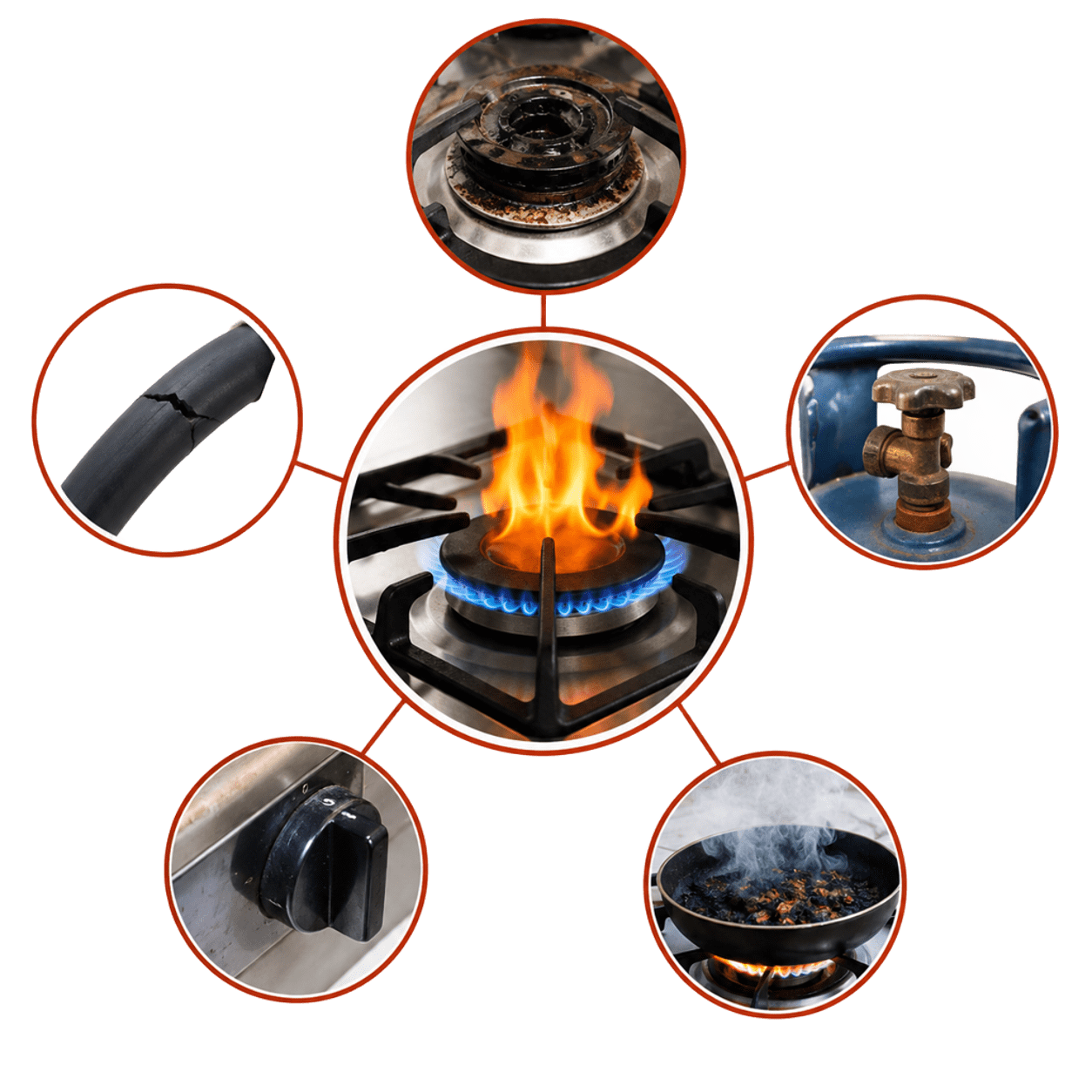
Liquefied Petroleum Gas (LPG) is one of the safest and most efficient cooking fuels available when installed and maintained correctly. However, the causes of gas fires in kitchens are often misunderstood. Many people assume that LPG cylinders suddenly explode without warning, yet engineering investigations consistently show that the causes of gas fires in kitchens are usually preventable and originate from leaking hoses, faulty regulators, poor ventilation, damaged connections, or incorrect installation practices.
Across Kenya—including Nairobi, Mombasa, Kisumu, Nakuru, Eldoret, Thika, and Machakos—the growing use of LPG in homes, restaurants, hotels, hospitals, schools, and food processing facilities makes understanding the causes of gas fires in kitchens more important than ever. Routine inspections, compliant equipment, and professional engineering significantly reduce these risks.
Related Products
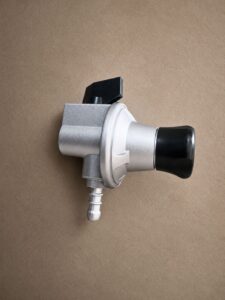
At Megtraco Kenya Ltd, we provide our LPG engineering solutions for residential, commercial, and industrial clients, helping businesses and institutions build safe, reliable, and compliant LPG systems throughout Kenya and East Africa.
What Are the Causes of Gas Fires in Kitchens?
The most common causes of gas fires in kitchens include damaged LPG hoses, loose clip-on regulators, substandard pressure regulators, leaking appliance connections, blocked ventilation, poor installation practices, and inadequate maintenance. Most of these hazards develop gradually and can be identified before they result in fire.
Contrary to popular belief, LPG cylinders rarely fail on their own. Instead, gas escapes from poorly maintained accessories or improperly installed systems before reaching an ignition source such as a burner flame, electrical spark, or hot cooking surface.
Why the Causes of Gas Fires in Kitchens Continue to Affect Kenyan Homes and Businesses
The causes of gas fires in kitchens continue to affect homes and commercial facilities because many LPG systems are installed using counterfeit accessories, aging components, or unqualified workmanship. Regular inspections and professional engineering greatly reduce these preventable risks.
Kenya has experienced significant growth in LPG adoption as households and businesses transition toward cleaner cooking energy. Unfortunately, this growth has also increased the number of poorly maintained gas installations.
Common causes of gas fires in kitchens include:
- Counterfeit LPG accessories
- Expired rubber hoses
- Loose regulator connections
- Poor ventilation
- DIY gas installations
- Aging appliances
- Failure to inspect LPG systems
- Ignoring the smell of leaking gas
Commercial kitchens face even greater risks because they operate larger LPG systems, consume higher gas volumes, and often serve customers continuously throughout the day.
Businesses planning new LPG installations or upgrading existing systems should seek professional engineering consultation to ensure proper system design, pressure regulation, leak testing, and compliance with Kenyan engineering standards.
Engineering Perspective on the Causes of Gas Fires in Kitchens
Understanding the engineering principles behind the causes of gas fires in kitchens helps explain why even small leaks can become dangerous. LPG is heavier than air, meaning leaked gas naturally settles near the floor where it can accumulate if ventilation is inadequate.
Once leaked gas reaches its flammable concentration range, ignition may occur from:
- Cooker flames
- Electrical switches
- Static electricity
- Hot cooking equipment
- Pilot lights
- Electrical appliances
How Gas Leaks Become Kitchen Fires
The engineering process is typically predictable:
| Stage | What Happens |
|---|---|
| Gas Leak | LPG escapes from damaged equipment |
| Accumulation | Gas collects in poorly ventilated areas |
| Ignition | Flame or spark ignites the gas |
| Flash Fire | Fire spreads rapidly around the leak source |
Modern commercial LPG systems reduce these risks through proper pipe sizing, engineered pressure control, emergency shut-off valves, and continuous monitoring.
Businesses requiring larger centralized LPG installations can browse our industrial LPG equipment for commercial kitchens, manufacturing facilities, schools, hospitals, and hospitality projects.
Causes of Gas Fires in Kitchens: Perished or Cracked LPG Hoses
One of the leading causes of gas fires in kitchens is the continued use of damaged or aging LPG hoses. Small cracks may appear harmless but can release enough LPG to create a dangerous atmosphere over time.
Rubber hoses deteriorate because of:
- Continuous exposure to heat
- Cooking oils and grease
- Cleaning chemicals
- Sunlight and UV radiation
- Mechanical wear
- Rodent damage
- Natural aging
Many households replace hoses only after severe deterioration becomes visible. Unfortunately, gas leakage often begins long before obvious cracking appears.
Warning Signs That an LPG Hose Needs Immediate Replacement
Inspect your LPG hose regularly for:
- Surface cracks
- Hard or brittle rubber
- Bulging sections
- Loose fittings
- Gas smell near the hose
- Discoloration
- Abrasion damage
Commercial kitchens with high daily gas consumption should consider replacing exposed flexible hoses with professionally engineered advanced LPG piping systems where appropriate.
Causes of Gas Fires in Kitchens: Loose Clip-On Regulators
Loose regulators remain one of the most overlooked causes of gas fires in kitchens. Even certified regulators become hazardous when they are not properly locked onto the cylinder valve.
Typical installation mistakes include:
- Incomplete locking
- Damaged cylinder valves
- Worn locking mechanisms
- Poor-quality regulators
- Misaligned fittings
Every time a cylinder is replaced, users should verify:
- The regulator locks firmly.
- No gas smell is present.
- The regulator cannot be lifted off without releasing the locking mechanism.
- Connections remain stable after opening the valve.
Causes of Gas Fires in Kitchens: Substandard LPG Regulators
Counterfeit or poorly manufactured regulators are among the hidden causes of gas fires in kitchens because they fail to maintain stable outlet pressure and may leak internally.
Inferior regulators often develop:
- Failed diaphragms
- Pressure instability
- Worn seals
- Gas leakage
- Premature mechanical failure
Commercial facilities with high LPG demand may require engineered pressure regulation and high-performance LPG vaporizers to maintain stable gas supply during peak operating periods.
Causes of Gas Fires in Kitchens: Blocked or Poor Kitchen Ventilation
Poor ventilation is another major contributor to the causes of gas fires in kitchens because leaked LPG settles at floor level and accumulates in enclosed spaces.
Ventilation problems commonly include:
- Permanently closed windows
- Blocked wall vents
- Cylinders enclosed inside cabinets
- Poor air circulation
- Inadequate exhaust systems
Proper ventilation helps disperse leaked gas before dangerous concentrations develop.
Commercial kitchens should also install industrial gas leak detection systems that provide continuous monitoring, audible alarms, and early warning before leaked LPG reaches hazardous levels.
Contact Megtraco Kenya Ltd
Whether you need a new LPG installation, a commercial kitchen gas system, gas leak detection, fire suppression equipment, or a professional LPG safety inspection, Megtraco Kenya Ltd is ready to assist.
Get in Touch
You May Also Like

- Email: sales@megtracokenya.com
- Sales Hotline: +254 725 870 114
- Technical Support: +254 733 721 598
- WhatsApp: +254 799 086 323
Visit Us
Megtraco Kenya Ltd
Nairobi, Kenya
Serving clients across Nairobi, Mombasa, Kisumu, Nakuru, Eldoret, Thika, Machakos, Uganda, Tanzania, Rwanda, and the wider East African region.
