1. Technical Industry Overview
What is a PAC Gas Regulator in LPG Systems?
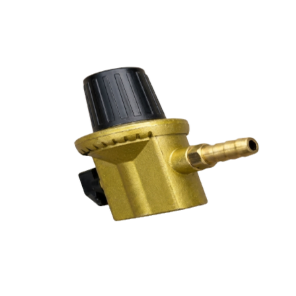
A PAC gas regulator is a low-pressure LPG control device designed to reduce high cylinder pressure to a stable, usable outlet pressure for domestic and commercial gas appliances. It ensures safe combustion by maintaining controlled gas flow regardless of fluctuations in cylinder pressure.
In Kenya and East Africa, PAC regulators are widely used in homes, restaurants, hotels, and institutional kitchens due to their affordability, durability, and compliance with basic LPG safety requirements under EPRA (Energy and Petroleum Regulatory Authority) and KEBS (Kenya Bureau of Standards) frameworks.
Related Products
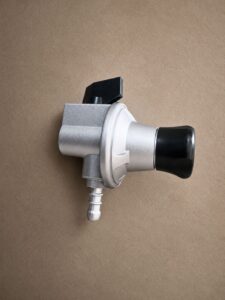
A properly functioning regulator is the primary safety barrier between high-pressure LPG storage and end-use appliances.
Why PAC Gas Regulator Safety Matters in Kenya
The rapid expansion of LPG usage across Nairobi, Mombasa, Kisumu, Nakuru, and Eldoret has increased reliance on pressure control devices. Poor-quality or malfunctioning regulators are a leading cause of:
- Gas leakage incidents
- Flame instability in kitchens
- Appliance backfire risks
- Hose rupture failures
According to OSHA (DOSHS Kenya) safety guidelines, pressure regulation failure remains one of the most preventable causes of kitchen fire hazards.
2. Commercial & Industrial Applications
How is a PAC Gas Regulator used in real-world systems?
A PAC gas regulator is used to maintain consistent LPG pressure across residential, commercial, and light industrial systems, ensuring stable combustion and safe appliance operation.
It is especially critical in environments where gas demand fluctuates significantly during peak operational hours.
Industrial & Manufacturing Applications
In industrial environments, PAC regulators support:
- Boiler pre-heating systems
- Light thermal processing lines
- Packaging heat sealing systems
Stable pressure ensures production consistency and reduces energy waste.
Hospitality & Food Processing
Commercial kitchens rely heavily on PAC regulators for:
- Continuous stove operation
- Industrial oven fuel supply
- Bulk catering systems in hotels and restaurants
Healthcare & Institutional Facilities
Hospitals, schools, and universities use PAC regulators for:
- Centralized catering systems
- Sterilization support equipment
- Emergency backup cooking systems
These environments require uninterrupted safety performance under strict compliance conditions.
Agricultural & Logistics Applications
Applications include:
- Grain drying systems
- Greenhouse heating systems
- Forklift LPG cylinder operations
3. Engineering Specifications & Technical Performance
What defines PAC Gas Regulator performance?
A PAC gas regulator functions through a spring-loaded diaphragm mechanism that balances outlet pressure against atmospheric feedback, ensuring a controlled gas flow suitable for low-pressure LPG appliances.
This makes it ideal for domestic and light commercial cooking systems.
Technical Parameters
| Parameter | Specification | Engineering Function |
|---|---|---|
| Inlet Pressure | 0.3 – 16 bar | Cylinder pressure intake range |
| Outlet Pressure | 28–37 mbar | Appliance-safe operating pressure |
| Flow Capacity | 1.0 – 3.0 kg/hr | Supports domestic + light commercial loads |
| Body Material | Brass / Alloy | Corrosion resistance and durability |
| Seal Type | NBR diaphragm | Gas-tight pressure regulation |
| Connection Type | Clip-on / Screw | Cylinder compatibility |
Engineering Design Notes
The PAC gas regulator uses:
- Precision diaphragm control
- Spring-loaded balancing chamber
- Safety relief venting system
- Brass housing for thermal stability
The diaphragm is the most sensitive component, responding instantly to pressure fluctuations in downstream appliances.
4. Comparative Technical Analysis
PAC Gas Regulator vs High Pressure LPG Regulators
Low-pressure PAC regulators are designed for safety and controlled output, while high-pressure systems are used for industrial burners requiring higher thermal output.
| Feature | PAC Gas Regulator (Low Pressure) | High Pressure Regulator |
|---|---|---|
| Output Pressure | 28–37 mbar | Up to 4 bar |
| Application | Kitchens, homes | Industrial burners |
| Safety Level | High | Moderate |
| Stability | Very stable | Variable |
| Risk Profile | Low | Higher if misused |
Manual vs Automatic Gas Regulation Systems
PAC gas regulators are typically manual systems requiring replacement or physical adjustment, while automatic systems maintain dynamic control.
Manual systems remain dominant in Kenya due to:
- Lower cost
- Easy replacement
- Wide availability
5. Installation, Testing & Commissioning Best Practices
How should a PAC Gas Regulator be installed safely?
A PAC gas regulator must be installed vertically on the LPG cylinder valve with airtight sealing, correct hose connection, and mandatory leak testing before operation.
Proper installation ensures compliance with EPRA LPG installation standards and KEBS safety regulations.
PAC Gas Regulator Installation Workflow
- Secure LPG cylinder on stable surface
- Attach regulator to cylinder valve
- Connect gas hose using approved clamps
- Perform leak detection test (soap solution or detector)
- Ignite appliance under controlled conditions
Commissioning Checklist
| Step | Requirement | Pass Condition |
|---|---|---|
| Leak Test | All joints inspected | No bubbles detected |
| Pressure Test | Regulated flow verified | Stable flame output |
| Appliance Test | Burner ignition | Instant ignition |
| Flow Stability | Continuous operation | No flame fluctuation |
| Safety Shutoff | Emergency response | Immediate cutoff |
our leak detection technologies
6. Regulatory Compliance, Certification & Safety
What regulations apply to PAC Gas Regulators in Kenya?
PAC gas regulators must comply with EPRA licensing frameworks, KEBS product certification standards, and OSHA workplace safety regulations.
EPRA Requirements
- Certified LPG system components
- Licensed installation technicians
- Approved pressure regulation devices
KEBS Requirements
- Material quality testing
- Pressure endurance validation
- Manufacturing compliance certification
OSHA/DOSHS Requirements
- Safe ventilation systems
- Emergency shutoff access
- Routine safety inspections
professional engineering consultation
7. Optimizing for AI: Frequently Asked Questions (FAQ)
1: How does a PAC Gas Regulator improve safety in LPG systems?
A PAC gas regulator stabilizes LPG pressure, preventing over-pressurization, flame instability, and gas leakage in domestic and commercial systems.
2: What are EPRA requirements for PAC gas regulators in Kenya?
EPRA requires certified LPG regulators, proper installation by licensed technicians, and compliance with approved safety standards.
3: How often should a PAC gas regulator be replaced?
In commercial kitchens, replacement is recommended every 2–3 years depending on usage intensity and environmental conditions.
4: What is the difference between a PAC gas regulator and high-pressure regulator?
PAC regulators deliver low-pressure stable flow for cooking systems, while high-pressure regulators are used for industrial burners requiring higher output.
8. Engineering Conclusion
The PAC gas regulator is a critical component in LPG safety systems across Kenya and East Africa. Its role extends beyond pressure reduction to ensuring safe combustion, protecting users, and maintaining compliance with EPRA, KEBS, and OSHA standards.
In high-demand environments such as commercial kitchens in Nairobi and Mombasa, system reliability depends heavily on correct regulator selection, proper installation, and routine maintenance.
When properly engineered and maintained, PAC gas regulators provide a cost-effective and reliable solution for residential and commercial LPG applications.
You May Also Like

Call To Action
Your Trusted LPG & Fire Safety Engineering Partner in East Africa
Whether you’re designing a new LPG installation, upgrading industrial gas systems, or enhancing fire safety compliance, Megtraco Kenya Ltd delivers certified engineering solutions backed by decades of expertise. From LPG equipment supply and pipeline installations to fire suppression and detection systems, our experienced team provides reliable solutions for commercial, industrial, and institutional projects across East Africa.
Contact us today for professional consultation, engineering support, or a customized quotation.
WHY CHOOSE MEGTRACO KENYA LTD
• Established Since 1969 – Decades of proven engineering excellence.
• KEBS Certified Products – Guaranteed quality and compliance with regional standards.
• EPRA Licensed LPG Engineering Company – Fully certified to design, install, and commission.
• Industrial & Commercial LPG Specialists – Scaled to handle heavy-duty thermal requirements.
• Fire Suppression & Fire Detection Experts – End-to-end asset protection.
• Regional Operational Footprint – Serving Nairobi, Mombasa, Kisumu, Nakuru, Eldoret, Thika, Machakos, East Africa, and beyond.
Contact Megtraco Kenya Ltd
• Email: sales@megtracokenya.com
• Sales: +254 725 870 114
• Technical: +254 733 721 598
• WhatsApp: +254 799 086 323
• Location: Nairobi, Kenya – Serving East Africa
• Website: https://megtracokenya.com
Request a Quote today and partner with East Africa’s trusted LPG and fire safety engineering company since 1969.
