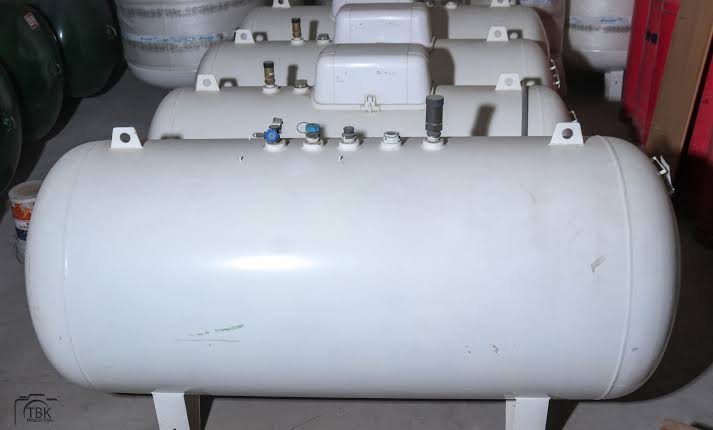
Liquefied Petroleum Gas (LPG) has become one of the most reliable and efficient energy sources for businesses, institutions and industries across Kenya. Whether you operate a hotel, restaurant, manufacturing plant, hospital or agricultural facility, having a dependable LPG storage solution is essential for uninterrupted operations. Businesses investing in LPG tanks in Kenya should also consider compatible accessories and safety equipment to build a reliable gas storage system.
Unlike individual gas cylinders that require frequent replacement, LPG tanks provide bulk storage, ensuring a continuous gas supply while improving operational efficiency. Choosing the right LPG tank, however, involves more than selecting a storage capacity. Businesses should consider installation requirements, safety standards, available space, maintenance needs and the quality of accessories used within the system.
Related Products
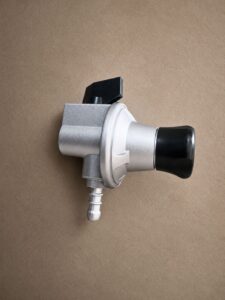
This guide explains everything you need to know about LPG tanks in Kenya, including the different types available, how they work, sizing considerations, pricing factors, installation procedures and essential safety practices. Whether you are installing a new LPG system or upgrading an existing one, this information will help you make an informed decision.
What Are LPG Tanks and Why Are They Important?
LPG tanks are specially engineered pressure vessels designed to safely store liquefied petroleum gas until it is distributed to appliances or industrial equipment. They offer significantly greater storage capacity than standard gas cylinders, making them ideal for commercial and industrial applications.
As demand for cleaner and more efficient energy sources continues to grow, many Kenyan businesses are transitioning from multiple gas cylinders to centralized LPG tank systems. Bulk storage not only improves convenience but also enhances operational efficiency by reducing interruptions caused by frequent cylinder replacements.
LPG tanks are designed to withstand high internal pressures while maintaining safe storage conditions. Modern tanks are equipped with safety valves, pressure gauges and shut-off systems that help protect both the equipment and its users.
Beyond convenience, LPG tanks contribute to better energy management. Bulk storage enables businesses to monitor consumption more effectively, schedule refilling in advance and maintain uninterrupted service during peak demand periods.
How LPG Storage Tanks Work
LPG is stored inside the tank as a liquid under pressure. When gas is required, part of the liquid naturally vaporises, creating gas that flows through regulators and piping systems to appliances or industrial equipment.
A complete LPG storage system typically includes:
- LPG storage tank
- Pressure regulators
- Ball valves
- Gas piping
- Safety relief valves
- Pressure gauges
- Leak detection systems
Each component works together to ensure safe and efficient gas distribution throughout the facility.
Why Businesses Choose LPG Tanks Instead of Cylinders
Commercial users often consume large quantities of gas every day. Managing numerous cylinders can become costly, time-consuming and inefficient.
LPG tanks offer several advantages:
- Continuous gas supply
- Fewer refill interruptions
- Reduced cylinder handling
- Better storage management
- Lower operational downtime
- Improved workplace safety
- Greater convenience for high-volume users
For businesses operating around the clock, these benefits can significantly improve productivity.
Common Applications of LPG Tanks
LPG tanks are widely used across numerous industries in Kenya, including:
- Hotels and resorts
- Restaurants
- Hospitals
- Universities and schools
- Food processing factories
- Bakeries
- Manufacturing plants
- Agricultural processing facilities
- Commercial laundries
- Hospitality businesses
These industries depend on consistent energy supplies to maintain smooth operations.
Types of LPG Tanks Available in Kenya
The most common LPG tanks available in Kenya include above-ground tanks, underground tanks and industrial bulk storage tanks. The ideal choice depends on your available space, gas consumption and operational requirements.
Understanding the differences between these options helps businesses choose the most appropriate solution.
Above-Ground LPG Tanks
Above-ground LPG tanks are the most common installation option due to their accessibility and ease of maintenance.
Advantages include:
- Easier inspection
- Lower installation costs
- Faster maintenance
- Simpler leak detection
- Reduced excavation requirements
These tanks are commonly installed at:
- Restaurants
- Hotels
- Schools
- Small manufacturing facilities
- Commercial kitchens
Routine inspections are easier because all tank components remain visible.
Underground LPG Tanks
Where space is limited or aesthetics are important, underground LPG tanks provide an excellent alternative.
Benefits include:
- Conserves valuable surface space
- Better property appearance
- Added protection from environmental exposure
- Suitable for urban commercial developments
Underground installations require proper drainage, corrosion protection and careful planning during installation.
Industrial LPG Storage Tanks
Large manufacturing operations often require high-capacity LPG storage systems capable of supporting continuous production.
Industrial tanks are designed for:
- Manufacturing plants
- Food processing facilities
- Pharmaceutical production
- Textile industries
- Heavy industrial operations
These systems may also include advanced monitoring equipment to improve gas management and operational efficiency.
LPG Tank Sizes and Capacities Explained
Selecting the right LPG tank size ensures adequate gas supply without unnecessary investment in oversized equipment. Tank capacity should match both current demand and anticipated future growth.
Every business has unique energy requirements. Choosing an appropriately sized tank reduces operating costs while maintaining uninterrupted service.
Smaller tanks are suitable for businesses with moderate gas consumption, while large industrial operations benefit from higher-capacity storage systems.
| Tank Size | Suitable For | Main Benefit |
|---|---|---|
| Small | Cafés, small restaurants | Affordable installation |
| Medium | Hotels, schools, institutions | Reliable daily operation |
| Large | Manufacturing industries | Continuous bulk supply |
When determining the appropriate size, businesses should consider:
- Daily gas consumption
- Number of gas-powered appliances
- Peak demand periods
- Delivery schedules
- Future expansion plans
Consulting an experienced LPG supplier helps ensure the selected tank meets operational needs without excessive costs.
LPG Tank Prices in Kenya: What Determines Cost?
LPG tank prices vary depending on several technical and operational factors rather than capacity alone. Understanding these variables helps buyers compare options more effectively.
Tank Capacity
Larger tanks require more steel, specialised manufacturing and increased transport requirements, making them more expensive than smaller models.
However, larger tanks may reduce long-term operating costs by minimising refill frequency.
Manufacturing Quality
High-quality LPG tanks are manufactured using durable steel and tested to withstand operating pressures safely.
Quality construction contributes to:
- Longer service life
- Improved safety
- Reduced maintenance
- Better corrosion resistance
Choosing certified equipment provides greater confidence in long-term performance.
Accessories and Safety Equipment
The complete LPG installation includes more than the storage tank itself.
Additional components often include:
- Pressure regulators
- Ball valves
- Gauges
- Piping materials
- Safety valves
- Leak detectors
The quality of these accessories directly affects system reliability.
Installation Requirements
Installation costs depend on:
- Site preparation
- Concrete foundations
- Transport logistics
- Crane access if required
- Piping distances
- Safety infrastructure
Complex installations generally require additional labour and engineering support.
LPG Tank Installation Process in Kenya
Professional installation ensures that LPG tanks operate safely and comply with applicable technical requirements. Every installation should be planned according to the site’s unique operational needs.
Site Assessment
Before installation begins, technicians evaluate:
- Gas consumption requirements
- Available installation space
- Vehicle access for gas delivery
- Safety clearance distances
- Environmental conditions
Proper planning prevents costly modifications later.
Preparing the Installation Area
The installation site should provide:
- Stable foundation
- Adequate ventilation
- Easy inspection access
- Protection from physical damage
- Safe distance from ignition sources
Correct site preparation contributes to both safety and equipment longevity.
Connecting LPG Equipment
The storage tank is connected to the gas distribution system using approved accessories, including:
- Regulators
- Ball valves
- Steel piping
- Flexible connectors where appropriate
- Pressure monitoring equipment
Each component should be installed according to manufacturer recommendations.
Testing and Commissioning
Before the system enters service, technicians perform several safety checks, including:
- Leak testing
- Pressure testing
- Valve inspection
- Regulator verification
- Functional testing
Only after successful testing should the system begin normal operation.
LPG Tanks vs LPG Cylinders: Which Is Better?
Both LPG tanks and cylinders have their place, but LPG tanks are generally the preferred option for businesses with consistent, high-volume gas consumption.
| Feature | LPG Tanks | LPG Cylinders |
|---|---|---|
| Storage Capacity | High | Limited |
| Refilling | Bulk supply | Individual exchange |
| Best Use | Commercial and industrial | Residential and small businesses |
| Maintenance | Professional servicing | Cylinder replacement |
| Operational Efficiency | High | Moderate |
Businesses operating commercial kitchens, production lines or institutional facilities often benefit significantly from centralized LPG storage.
Smaller businesses with minimal gas requirements may still find cylinders sufficient for their operations.
Common LPG Tank Mistakes to Avoid
Many LPG system problems result from poor planning rather than equipment failure. Avoiding common mistakes improves safety, efficiency and long-term value.
Choosing the Wrong Tank Size
Selecting a tank without considering actual gas consumption may lead to:
- Frequent refilling
- Higher operating costs
- Reduced efficiency
- Capacity shortages during peak demand
A professional consumption assessment helps determine the most suitable capacity.
Ignoring Professional Installation
Improper installation can increase risks associated with gas leaks, equipment damage and system inefficiency.
Qualified technicians understand:
- Safe piping routes
- Pressure requirements
- Equipment compatibility
- Emergency shut-off systems
Professional installation reduces operational risks.
Using Low-Quality Accessories
Even the best LPG tank can perform poorly if connected using inferior components.
Invest in quality:
- Regulators
- Valves
- Gauges
- Connectors
- Piping materials
Reliable accessories improve safety and system performance.
Skipping Routine Maintenance
Regular inspections help identify issues before they become costly problems.
Maintenance should include:
- Visual inspections
- Leak testing
- Valve checks
- Pressure verification
- Cleaning exposed components
Preventive maintenance often reduces repair costs over the life of the system.
LPG Tank Safety Tips for Businesses
Safe LPG storage depends on proper installation, quality equipment and ongoing maintenance. Businesses should establish clear safety procedures to minimise operational risks.
Perform regular visual inspections to identify corrosion, physical damage or signs of wear.
Install LPG leak detection equipment to provide early warning if gas escapes from the system.
Keep the installation area free from combustible materials and maintain adequate ventilation around above-ground tanks.
Ensure emergency shut-off valves remain accessible at all times.
Train staff to recognise the smell of LPG, understand emergency procedures and report unusual equipment behaviour immediately.
Schedule professional inspections periodically to confirm that all components continue operating safely.
Safety should remain an ongoing priority throughout the system’s lifespan.
Why Choose Megtraco for LPG Tanks in Kenya?
Choosing the right supplier is just as important as selecting the right LPG tank. Working with an experienced provider helps ensure reliable equipment, quality accessories and professional technical support.
Megtraco supplies LPG storage solutions designed for commercial and industrial applications across Kenya. In addition to LPG tanks, businesses can source compatible products including LPG meters, ball valves, leak detectors, piping materials and tank accessories from a single trusted supplier.
This integrated approach simplifies procurement while ensuring that all system components are compatible and designed to work together efficiently.
Whether you are upgrading an existing LPG installation or planning a new project, professional guidance helps you select the appropriate storage solution based on your operational requirements.
Frequently Asked Questions (FAQs)
1. What size LPG tank do I need for my business?
The ideal LPG tank size depends on your daily gas consumption, the number of appliances using LPG, peak usage periods and future expansion plans. Small businesses such as cafés may require smaller tanks, while hotels, hospitals, schools and manufacturing plants often benefit from medium or large-capacity LPG storage tanks. A professional site assessment can help determine the most suitable size for your operations.
2. How much do LPG tanks cost in Kenya?
LPG tank prices in Kenya vary depending on several factors, including tank capacity, construction quality, pressure rating, accessories, transportation and installation requirements. Since every project has unique specifications, it is advisable to request a customised quotation from a reputable LPG supplier to ensure you receive the right solution for your needs.
3. Are LPG tanks safe for commercial and industrial use?
Yes. LPG tanks are designed with multiple safety features, including pressure relief valves, shut-off valves and pressure gauges, to ensure safe operation. When installed by qualified professionals and maintained through regular inspections, LPG tanks provide a reliable and safe energy storage solution for commercial and industrial applications.
4. How often should an LPG tank be inspected and maintained?
Routine visual inspections should be carried out regularly to check for corrosion, leaks or physical damage. Comprehensive inspections and preventive maintenance should follow the manufacturer’s recommendations and any applicable regulatory requirements. Regular servicing helps extend the tank’s lifespan while ensuring safe and efficient performance.
5. What accessories are required for an LPG tank installation?
A complete LPG tank installation typically includes several essential accessories to ensure safe and efficient operation. These may include pressure regulators, LPG meters, ball valves, piping materials, pressure gauges, safety relief valves and leak detection systems. Using high-quality, compatible accessories improves system reliability, enhances safety and supports long-term performance.
Conclusion
LPG tanks provide businesses with a dependable, efficient and scalable solution for storing and distributing liquefied petroleum gas. Compared with managing multiple cylinders, bulk LPG storage improves operational continuity, reduces handling requirements and supports the energy needs of commercial and industrial facilities.
You May Also Like


Selecting the right tank involves evaluating capacity, installation conditions, safety features and future energy demands. Equally important is working with a trusted supplier that provides quality equipment, compatible accessories and professional technical support.
Whether you operate a restaurant, manufacturing plant, hotel, institution or processing facility, investing in a properly designed LPG storage system can improve operational efficiency while supporting safe and reliable energy use. Megtraco offers a comprehensive range of LPG tanks, accessories and related equipment to help businesses build dependable LPG systems tailored to their specific requirements.
