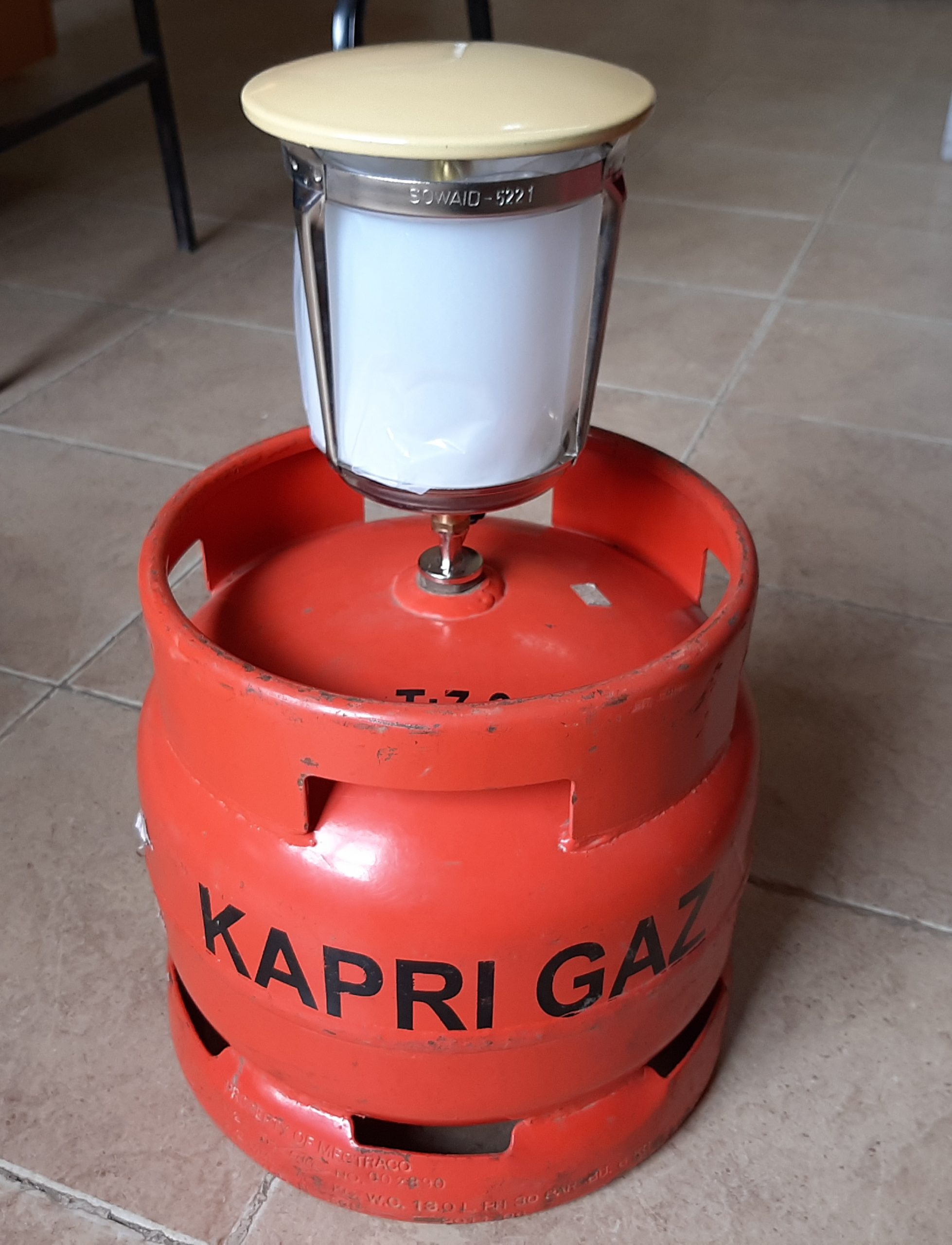
LPG tank capacity litres vs kg is one of the most misunderstood topics among homeowners, business owners, contractors, and property developers. Many people assume that a 1,000-litre LPG tank can hold exactly 1,000 litres of LPG or that litres and kilograms mean the same thing. In reality, these two measurements describe completely different things, and understanding LPG tank capacity litres vs kg is essential for safe storage, accurate ordering, and correct billing.
When purchasing LPG, suppliers often quote the quantity in kilograms, while LPG storage tanks are usually labelled in litres. This difference can be confusing if you are unfamiliar with LPG storage systems. Adding to the confusion, LPG tanks are never filled to 100% of their internal volume because they require expansion space, known as ullage, to accommodate temperature changes.
Related Products
Learning LPG tank capacity litres vs kg helps you:
- Read LPG tank specifications correctly.
- Understand supplier quotations.
- Order the correct amount of LPG.
- Interpret delivery notes and invoices.
- Operate your LPG system safely.
Whether you own a home, apartment building, hotel, restaurant, factory, or commercial facility, understanding LPG tank capacity litres vs kg allows you to make better decisions when selecting LPG storage equipment.
Megtraco Kenya Ltd supplies professionally designed LPG reticulation systems, bulk LPG storage systems, commercial LPG installations, and complete LPG engineering solutions across Kenya.
LPG Tank Capacity Litres vs Kg: Understanding the Difference
Direct Answer: LPG tank capacity litres vs kg refers to two completely different measurements. Litres measure the internal volume of an LPG storage tank, while kilograms measure the actual weight of LPG stored inside the tank.
Many people mistakenly believe these units are interchangeable.
They are not.
Think about a water bottle.
The bottle may have a capacity of:
- 500 millilitres
- 1 litre
- 2 litres
These figures describe the volume the container can hold.
LPG tanks work in exactly the same way.
However, LPG suppliers sell gas based on its weight rather than its volume.
This is why invoices often display kilograms instead of litres.
Understanding LPG tank capacity litres vs kg makes it much easier to compare tank specifications with LPG delivery quantities.
For example:
A storage tank may have an internal volume of:
2,000 litres
That does not mean it will be filled with 2,000 litres of LPG.
Nor does it mean it contains 2,000 kilograms of LPG.
Instead, the maximum filling quantity depends on:
- Safe filling limits
- LPG density
- Ambient temperature
- Expansion allowance
These factors explain why LPG tank capacity litres vs kg cannot simply be compared using the same number.
LPG Tank Capacity Litres vs Kg: Why Tanks Are Never Filled Completely
Direct Answer: LPG tank capacity litres vs kg becomes easier to understand when you know that LPG tanks are intentionally left partially empty. The unused space allows liquid LPG to expand safely as temperatures increase.
Unlike water, LPG expands significantly when heated.
If an LPG tank were filled completely, the liquid would have no room to expand.
This could create extremely dangerous internal pressure.
For this reason, international LPG safety standards require every storage tank to include expansion space.
Instead of filling the tank to 100%, suppliers typically fill it to approximately:
80% to 85% of its internal capacity
The remaining space allows:
- Safe liquid expansion
- Pressure control
- Reliable operation
- Longer equipment life
This practice is one of the most important concepts when learning LPG tank capacity litres vs kg.
LPG Tank Capacity Litres vs Kg: Understanding the Ullage Rule
Direct Answer: The ullage rule explains why LPG tank capacity litres vs kg is based on safe filling limits rather than total tank volume. Ullage is the empty space intentionally left inside an LPG tank to allow for thermal expansion.
Ullage protects the storage system.
It ensures that changing temperatures do not create unsafe pressure levels inside the tank.
For example:
A tank labelled:
5,000 litres
does not normally receive:
5,000 litres of LPG
Instead, only about:
4,000 litres
may be filled depending on operating conditions and safety regulations.
The remaining volume remains empty.
Although customers sometimes assume the supplier has delivered less gas than ordered, this is actually correct and complies with LPG safety requirements.
Understanding ullage is essential when interpreting LPG tank capacity litres vs kg.
LPG Tank Capacity Litres vs Kg: Why Expansion Space Is Essential
Expansion space protects:
- The storage tank
- Safety valves
- Pipework
- Regulators
- Connected appliances
Without expansion space, pressure inside the tank could rise rapidly during hot weather.
Professional LPG engineering solutions always incorporate ullage requirements into storage tank sizing and installation.
LPG Tank Capacity Litres vs Kg: Safe LPG Filling Practices
Professional LPG suppliers follow recognised filling procedures designed to protect both equipment and users.
Safe filling practices include:
- Never filling beyond the approved level.
- Inspecting valves before filling.
- Checking tank condition.
- Monitoring filling pressure.
- Confirming safe operating temperatures.
These procedures ensure LPG tank capacity litres vs kg remains within safe operating limits throughout the year.
LPG Tank Capacity Litres vs Kg: How to Convert Litres Into Kilograms
Direct Answer: LPG tank capacity litres vs kg can be estimated using the density of LPG. Because LPG has a lower density than water, one litre of LPG does not weigh one kilogram.
One of the biggest misunderstandings about LPG storage is assuming:
1 litre = 1 kilogram
This is incorrect.
LPG density varies slightly depending on:
- Propane content
- Butane content
- Temperature
- Pressure
As a practical estimate:
1 litre of LPG weighs approximately 0.51 to 0.55 kilograms.
This means:
- 100 litres ≈ 51–55 kg
- 500 litres ≈ 255–275 kg
- 1,000 litres ≈ 510–550 kg
The exact figure depends on the LPG composition supplied.
Understanding this relationship makes LPG tank capacity litres vs kg much easier to interpret when ordering gas or reading supplier documentation.
LPG Tank Capacity Litres vs Kg: Simple Conversion Methods
Rather than memorising complicated calculations, many engineers use standard conversion tables.
A simple approximation is:
Kilograms = Litres × LPG Density
Because LPG density varies, suppliers usually calculate the final delivery weight using calibrated filling equipment.
This ensures billing accuracy while maintaining safe filling limits.
For property owners, the important point is understanding that LPG tank capacity litres vs kg involves both tank volume and LPG weight—not just one measurement.
LPG Tank Capacity Litres vs Kg: Factors That Affect Conversion
Several factors influence conversion accuracy.
These include:
- LPG composition
- Ambient temperature
- Storage pressure
- Seasonal weather changes
- Supplier filling procedures
Although slight differences exist, professional LPG suppliers account for these variables automatically during filling.
This is why customers should rely on certified suppliers instead of attempting to calculate delivery quantities manually.
Megtraco Kenya Ltd provides professionally engineered bulk LPG storage systems designed to maximise safety, efficiency, and accurate LPG storage for residential, commercial, and industrial applications.