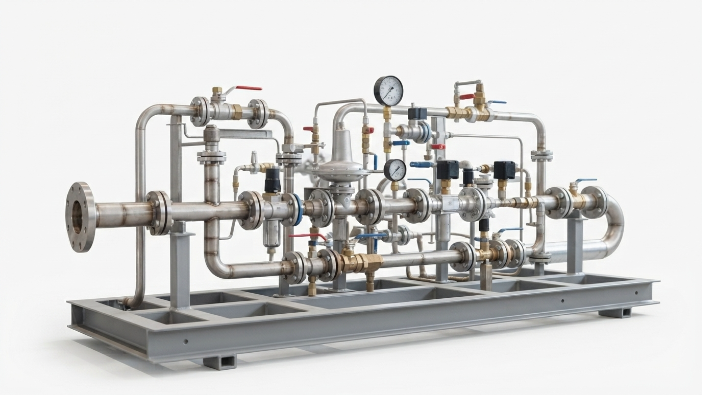
LPG gas train components are the collection of safety and control devices installed between an LPG storage tank and a burner. Although many people only notice the storage tank and the burner itself, the equipment installed between these two points is what allows an LPG system to operate safely, efficiently, and reliably. Understanding LPG gas train components is essential for anyone involved in designing, operating, or maintaining residential, commercial, or industrial LPG installations.
Every litre of LPG flowing from the storage tank passes through several carefully selected LPG gas train components before reaching the burner. These components regulate pressure, remove contaminants, monitor operating conditions, prevent unsafe gas flow, and automatically shut down the system whenever abnormal conditions are detected.
Related Products
Without properly designed LPG gas train components, even the highest-quality burner cannot operate safely or efficiently.
Whether supplying LPG to a hotel kitchen, industrial boiler, bakery oven, hospital steriliser, or manufacturing process, the gas train performs the vital task of preparing the fuel before combustion takes place.
Megtraco Kenya Ltd supplies professionally engineered LPG reticulation systems, bulk LPG storage systems, industrial burner installations, and complete LPG engineering solutions throughout Kenya and East Africa.
LPG Gas Train Components: Understanding the Complete Gas Train
LPG gas train components work together to regulate pressure, filter contaminants, monitor gas flow, and safely deliver LPG from the storage tank to the burner. Every component performs a specific function that contributes to safe and reliable burner operation.
A gas train is much more than a single pipe carrying LPG.
Instead, it is a complete assembly of engineered equipment designed to:
- Reduce gas pressure
- Filter contaminants
- Control gas flow
- Monitor operating conditions
- Shut down the system during unsafe situations
- Protect burners and downstream equipment
Because LPG leaves the storage tank at pressures much higher than the burner can safely use, the gas train gradually prepares the fuel for combustion.
Understanding LPG gas train components helps property owners appreciate why every device is necessary and why professional installation is so important.
LPG Gas Train Components: Why Every Burner Needs a Gas Train
Every commercial and industrial burner depends on correctly selected LPG gas train components.
Without these devices, burners could experience:
- Excessive gas pressure
- Poor flame quality
- Incomplete combustion
- Equipment damage
- Increased fire risk
- Reduced efficiency
Rather than delivering gas directly from the storage tank, the gas train ensures that every burner receives clean LPG at the correct operating pressure.
This improves:
- Combustion efficiency
- Equipment lifespan
- Operational safety
- Fuel economy
LPG Gas Train Components: How Gas Flows from the Tank to the Burner
Understanding LPG gas train components becomes much easier by following the path taken by the LPG.
A typical gas flow sequence includes:
- LPG storage tank
- Main isolation valve
- Pressure regulator
- Gas filter
- Safety shut-off valves
- Pressure switches
- Pressure gauges
- Burner
Although additional equipment may be installed depending on the application, these are the most common LPG gas train components found in many systems.
Each component prepares the gas for the next stage before combustion begins.
LPG Gas Train Components: Safe LPG Delivery
Every stage of the gas train contributes to safe gas delivery.
The gas train ensures:
- Stable operating pressure
- Clean fuel supply
- Controlled gas flow
- Continuous monitoring
- Automatic shutdown during unsafe conditions
Because these LPG gas train components operate together, removing even one safety device may compromise the entire installation.
LPG Gas Train Components: Maintaining Reliable Gas Flow
Reliable burner performance depends on consistent gas supply.
Properly designed LPG gas train components minimise:
- Pressure fluctuations
- Flow interruptions
- Burner instability
- Equipment wear
Professional LPG engineering solutions ensure every gas train is correctly sized for the burner’s operating requirements.
LPG Gas Train Components: Pressure Regulators Explained
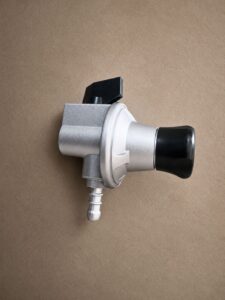
LPG gas train components include pressure regulators that reduce high storage tank pressure to the stable operating pressure required by the burner.
Pressure regulation is one of the most important functions performed by the gas train.
LPG inside a storage tank is stored at significantly higher pressure than combustion equipment can safely use.
Pressure regulators gradually reduce this pressure to a safe operating level.
Without properly functioning pressure regulators:
- Burners may produce unstable flames.
- Fuel efficiency decreases.
- Equipment damage becomes more likely.
- Combustion quality deteriorates.
This makes pressure regulators among the most important LPG gas train components.
LPG Gas Train Components: First-Stage Pressure Regulators
The first-stage regulator performs the initial pressure reduction immediately after the LPG leaves the storage tank.
Its purpose is to:
- Stabilise system pressure.
- Protect downstream equipment.
- Reduce pressure fluctuations.
- Prepare gas for secondary regulation.
Large commercial installations frequently use multiple stages of pressure reduction to improve operating stability.
LPG Gas Train Components: Second-Stage Pressure Regulators
Second-stage regulators perform the final pressure adjustment before the LPG reaches the burner.
This final regulation ensures:
- Accurate burner pressure.
- Stable combustion.
- Improved efficiency.
- Consistent flame characteristics.
Selecting correctly sized regulators is a critical part of designing reliable LPG gas train components.
LPG Gas Train Components: Maintaining Stable Burner Pressure
Maintaining constant burner pressure improves:
- Flame stability
- Fuel efficiency
- Combustion quality
- Equipment lifespan
Pressure regulators continuously adjust gas flow to maintain these conditions despite changes in LPG demand.
LPG Gas Train Components: Preventing Pressure Fluctuations
Pressure fluctuations can damage burners and reduce efficiency.
Properly selected LPG gas train components minimise pressure changes caused by:
- Changing burner loads
- Storage tank pressure variations
- Temperature changes
- Multiple burners operating simultaneously
This creates safer, more reliable combustion for commercial and industrial LPG systems.
LPG Gas Train Components: Safety Shut-Off Valves and Protection Devices
LPG gas train components include automatic safety shut-off valves, pressure switches, and other protection devices that immediately stop gas flow whenever unsafe operating conditions are detected.
Safety devices are the heart of every gas train.
Their purpose is simple:
Protect people.
Protect equipment.
Protect property.
Rather than allowing unsafe gas flow to continue, these devices isolate the burner automatically whenever abnormal conditions occur.
Examples include:
- Low gas pressure
- Excessive pressure
- Flame failure
- Emergency shutdown commands
- System faults
By responding within seconds, these gas train components significantly reduce the likelihood of gas leaks and fire hazards.