Since 1969, Megtraco has pioneered gas engineering solutions in East Africa. As real estate developments verticalize across Nairobi, Mombasa, and Kisumu, modern developers are shifting away from traditional LPG cylinders toward centralized reticulation systems — creating safer, smarter, and more profitable residential buildings.
Is centralized piped gas safe for residential apartments?
Yes. Centralized LPG reticulation is significantly safer than individual cylinders. It moves bulk gas storage away from living spaces to a secure outdoor perimeter, uses heavy-duty welded piping, and incorporates automated leak detection and emergency shut-off valves — features that individual cylinder storage simply cannot provide.
Related Products
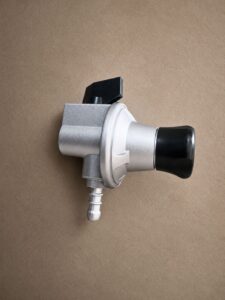
How Centralized LPG Reticulation Works
In a centralized reticulation system, one or more bulk LPG storage tanks are installed in a secure outdoor compound — typically away from the building perimeter and compliant with KEBS blast-zone requirements. A network of engineered steel pipes then distributes gas to each apartment unit, terminating at a dedicated point-of-use connection in the kitchen.
The system is designed for the building’s peak simultaneous load — meaning every tenant can cook at once without pressure drops at any outlet. Each segment of the pipe network is pressure-tested, documented, and signed off by a licensed engineer before commissioning.
How Smart Metering Works
One of the most commercially attractive features of centralized reticulation is smart metering. Each apartment unit is fitted with a calibrated gas meter that records consumption in real time. Tenants pay only for the gas they use — eliminating the waste and inconvenience of estimating when a cylinder is running low.
- Prepaid meters: Tenants top up a gas credit via mobile money (M-Pesa) or on-site kiosks — the meter valve opens automatically on payment.
- Postpaid meters: Building management reads meters monthly and bills tenants, identical to standard utility billing.
- Revenue for developers: Building management companies typically earn a margin on gas distribution — creating a recurring monthly revenue stream from the infrastructure investment.
Structural and Aesthetic Benefits
Beyond safety, centralized reticulation solves a very practical problem in modern high-rise living: the logistics of moving 13 kg LPG cylinders. In buildings without piped gas, residents or building staff must carry heavy cylinders via lifts and stairwells. This causes:
- Accelerated wear and damage to lift interiors and door mechanisms
- Scuffed walls and damaged door frames in corridors
- Significant safety risks — a dropped cylinder near a valve can puncture and ignite
- Storage of flammable gas inside living areas, contravening KEBS and EPRA guidelines
Centralized piped gas eliminates all of these issues. Gas arrives at each apartment point of use via pipe — no cylinder handling required at any stage of the system’s lifetime.
Regulatory Compliance: EPRA and KEBS Requirements
All LPG reticulation systems in Kenya must comply with KEBS Standard KS 1938 (LP Gas — Code of Practice for Piped Supply Systems) and EPRA licensing requirements for LPG distributors and installers. Megtraco manages the entire permitting and compliance process on behalf of the developer, including:
You May Also Like


- Engineering design submission to KEBS for approval
- Blast-zone safety assessment and documentation
- Pressure testing and commissioning certificates
- Annual inspection and maintenance agreements
Is Centralized Gas More Cost-Effective Than Cylinders?
Over a building’s lifetime, centralized reticulation consistently delivers lower cost per unit of energy consumed compared to cylinder supply. The economies of bulk procurement, combined with the elimination of cylinder deposit, transport, and handling costs, make piped gas the economically superior choice for any development of more than 10 units.
Planning a New Residential Development?
Request an apartment gas reticulation site assessment from Megtraco’s engineering team. We will design your system, handle all KEBS permitting, and provide a fully-costed proposal at no charge.
