
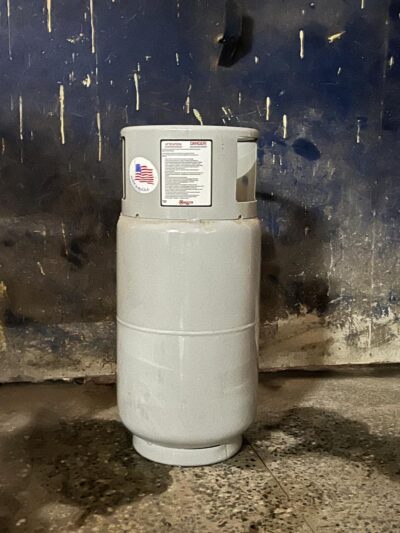
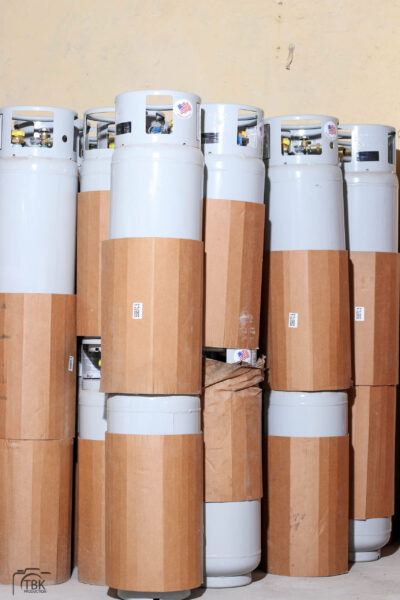
Description
Forklift LPG Cylinders: What Buyers Need to Know
Forklift cylinders are specially designed for LPG-powered forklifts and other material-handling equipment that use liquefied petroleum gas as a fuel source. Unlike conventional household LPG cylinders, forklift cylinders are designed for the requirements of LPG-powered industrial equipment and are used in environments such as warehouses, distribution centres, manufacturing facilities, logistics operations, and other commercial workplaces.
Selecting the correct forklift cylinder is important because the cylinder must be compatible with the forklift, fuel system, connection arrangement, and operating requirements of the equipment.
How Are Forklift Cylinders Different From Standard LPG Cylinders?
A forklift LPG cylinder is designed specifically for use as a fuel source on LPG-powered forklifts. The cylinder configuration and valve arrangement are intended to support the fuel requirements of the equipment.
One important consideration is the way the cylinder is positioned on the forklift. Forklift systems may be designed to draw LPG in the appropriate phase for engine operation, so the cylinder should be installed according to the equipment manufacturer’s requirements. Using an unsuitable cylinder or incorrect installation arrangement can affect the operation and safety of the equipment.
Choosing the Right Forklift Cylinder
Before purchasing a forklift cylinder, confirm the specifications required by the forklift manufacturer. Important considerations may include:
- Cylinder capacity
- Physical dimensions
- Valve and connection configuration
- Mounting arrangement
- Compatibility with the forklift fuel system
- Operating environment
- Applicable safety and inspection requirements
The cylinder should fit securely into the forklift’s designated mounting position. Compatibility should be confirmed before purchase rather than relying only on appearance or approximate dimensions.
When Should a Forklift Cylinder Be Replaced?
Forklift cylinders should be inspected regularly for signs of corrosion, dents, damage, valve problems, or other conditions that could affect safe operation. Cylinders that show significant damage or have reached the end of their approved service life should be assessed by qualified personnel.
Businesses operating several forklifts can benefit from maintaining a consistent inspection and replacement process. This helps reduce unexpected equipment downtime and supports safer material-handling operations.
Forklift Cylinder Applications
LPG-powered forklifts are commonly used in environments where reliable material handling is important. They can be suitable for warehouses, manufacturing plants, distribution facilities, logistics operations, and other workplaces where forklifts need a practical fuel source.
For businesses using multiple LPG forklifts, selecting compatible cylinders and maintaining an appropriate replacement supply can help reduce interruptions to daily operations.
Safety When Handling Forklift LPG Cylinders
LPG cylinders should always be handled, stored, connected, and inspected according to applicable safety requirements and the manufacturer’s instructions. Personnel working with forklift cylinders should be appropriately trained, and damaged equipment should not be placed back into service without proper assessment.
Need Forklift Cylinders in Kenya?
Megtraco can assist businesses looking for forklift cylinders for commercial and industrial applications in Kenya. When requesting a quotation, provide the forklift model, existing cylinder specifications, required quantity, and any available connection or mounting information. This allows the correct cylinder specification to be identified before purchase.