Description
Megtraco Kenya supplies and installs fire suppression equipment for commercial kitchens, plant rooms, server rooms, generator enclosures and industrial process areas. We design, install, commission and maintain systems that detect and extinguish fire automatically, without waiting for a person to react.
Where LPG, cooking oil, fuel or electrical plant is present, portable extinguishers are a last line of defence, not a primary one. An automatic suppression system acts within seconds of detection, isolates the fuel source, and contains the fire before it spreads.
Systems We Supply
Kitchen Hood Suppression
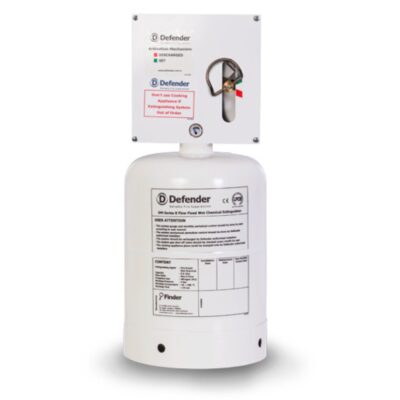
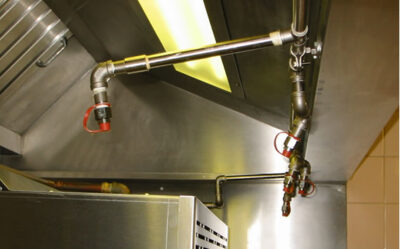
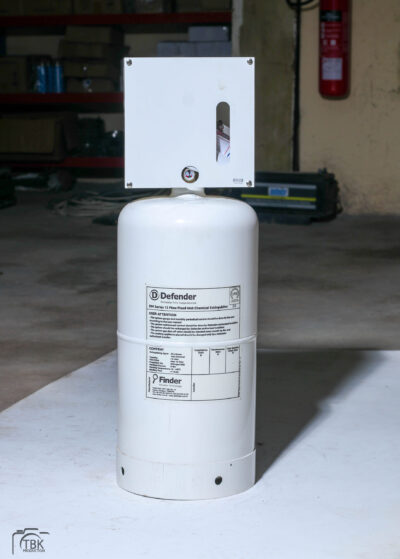
Wet chemical systems engineered for commercial cooking. Nozzles are aimed at each appliance and at the extract hood and duct. On activation the system discharges wet chemical agent, which saponifies burning oil into a foam blanket, and simultaneously trips the gas supply shut-off valve. This is the system required over deep fryers, ranges and griddles.
Clean Agent Systems
For server rooms, control rooms, switch rooms and archives. The agent extinguishes without residue, without water damage, and without harming electronic equipment. Rooms must be reasonably sealed for the agent to hold concentration.
CO₂ Systems
For unoccupied high-risk enclosures — generator rooms, paint booths, machinery spaces. Highly effective, but discharges into a space that must be evacuated and interlocked, since the agent displaces oxygen.
Foam and Dry Powder Systems
For flammable liquid storage, fuel handling areas and LPG installations where a fast-knockdown agent is required over a spill or process area.
Detection and Alarm
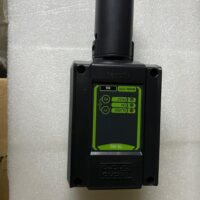
Heat detection, smoke detection, linear heat cable for cable trays and ducts, manual call points, control panels, sounders and beacons, and interlocks to gas shut-off valves, extraction fans and plant shutdown.
Service and Maintenance
Suppression systems require scheduled inspection, agent verification, nozzle cleaning and functional testing of detection and release. Megtraco maintains systems under contract and issues certification for insurance and fire inspection purposes.
Why Megtraco
Because most of our fire work sits alongside gas, we understand the interaction the specialist fire contractor often misses — that suppression discharge must trip the gas valve, that a kitchen system is worthless if gas keeps feeding the fire, and that detection, suppression and fuel isolation have to be commissioned as one system. We install and certify all of it.
Frequently Asked Questions
Is a kitchen fire suppression system required in Kenya?
Commercial kitchens with deep fryers and gas ranges are expected to have automatic hood suppression interlocked to gas shut-off, and this is checked in fire and insurance inspections. Requirements scale with the size and risk of the operation.
What extinguishes a cooking oil fire?
Wet chemical agent. It reacts with hot oil to form a foam layer that seals the surface and cools it below re-ignition temperature. Water is dangerous on an oil fire and dry powder does not prevent re-ignition of hot oil.
Does suppression shut off the gas automatically?
It should, and in our installations it does. Discharge trips a mechanical or solenoid gas valve, cutting fuel at the same moment the agent discharges. A system that suppresses but leaves gas flowing has not solved the problem.
How often must systems be serviced?
At least every six months for kitchen systems and annually for most others, with agent and cylinder checks on the manufacturer’s schedule. We maintain under contract and issue certificates.