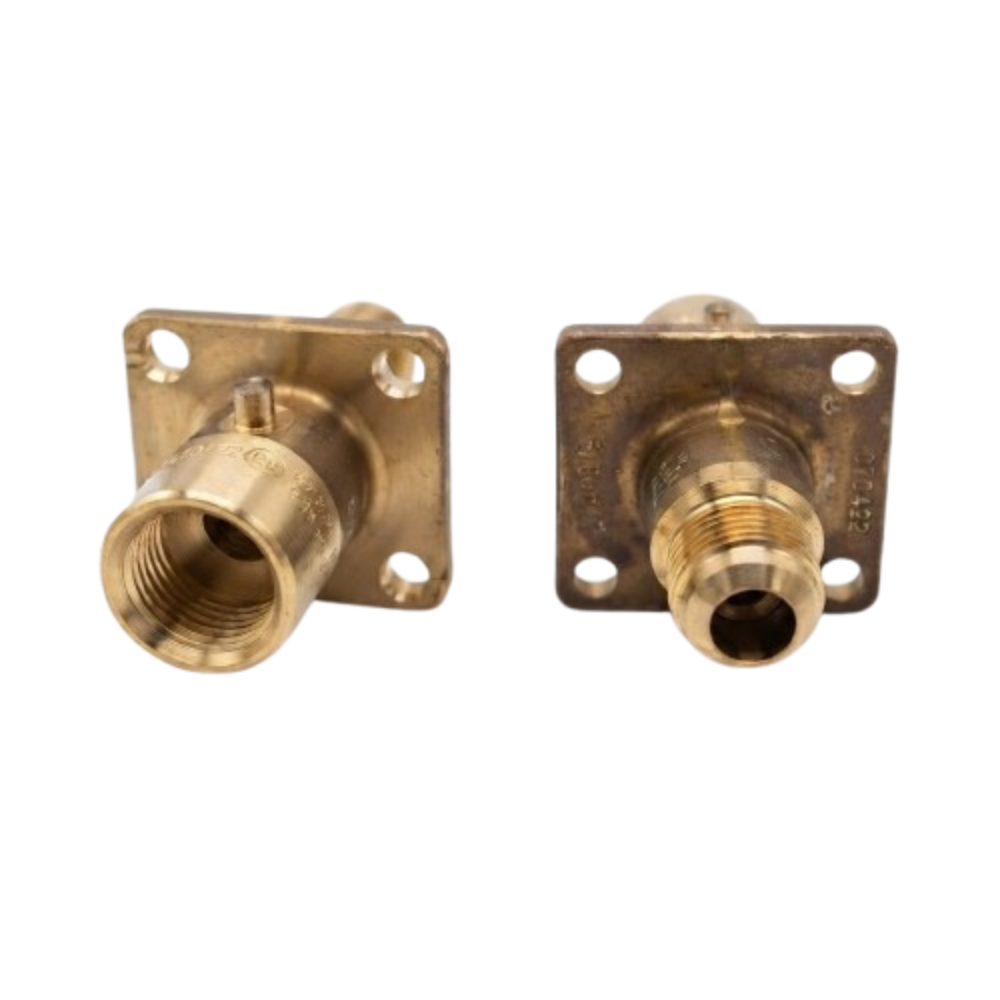
n LPG filler valve (Bayonet & ACME) is a precision-engineered refueling interface used in vehicle LPG systems to enable safe, standardized, and leak-controlled transfer of liquefied petroleum gas into onboard cylinders.
In Kenya’s growing autogas ecosystem—especially in Nairobi, Mombasa, Kisumu, and Kampala—vehicle operators are increasingly shifting from petrol to LPG due to lower fuel costs, improved combustion efficiency, and reduced emissions.
Related Products
Proper system design and installation is critical, which is why most commercial and fleet operators rely on Megtraco Kenya LPG engineering solutions for safe autogas conversion and compliant gas system integration.
TECHNICAL INDUSTRY OVERVIEW
What is an LPG Filler Valve?
An LPG filler valve is a safety-controlled inlet device mounted on a vehicle’s LPG cylinder. It allows fuel transfer from a dispensing nozzle into the tank while preventing backflow, leakage, and overfilling.
Bayonet and ACME systems are internationally recognized standards used in autogas refueling infrastructure to ensure compatibility across fueling stations and vehicle fleets.
Why It Is Critical in Autogas Systems
Without a standardized filler valve, LPG refueling becomes unsafe and inconsistent. The valve ensures:
- Controlled LPG transfer during refueling
- Prevention of gas backflow
- Pressure stability inside the cylinder
- Compatibility with fueling station nozzles
- Safe disconnection after refueling
Proper installation is typically part of certified autogas conversion Kenya projects designed to meet regulatory and engineering standards.
INDUSTRIAL & AUTOMOTIVE APPLICATIONS
1. Private Vehicle Conversion Systems
Used in passenger cars converted from petrol to LPG for cost savings and emissions reduction.
2. Fleet Transport Operations
Taxi fleets and logistics operators in East Africa use LPG systems to reduce fuel expenses and improve operational margins.
3. Commercial Delivery Vehicles
Light trucks and vans rely on standardized filler valves for fast refueling cycles and reduced downtime.
4. Industrial Utility Vehicles
Forklifts and warehouse vehicles also depend on LPG systems using similar refueling interfaces for safe operation.
For large-scale deployments, operators often integrate industrial LPG equipment systems for compatibility across multiple vehicle types.
ENGINEERING INSIGHT
LPG filler valves are not simple connectors—they are precision safety devices that regulate high-pressure gas flow under dynamic refueling conditions.
Their engineering function includes:
- Flow control during refueling
- Leak prevention via sealing systems
- Pressure equalization during fuel transfer
- Compatibility with global refueling standards
-
ENGINEERING SPECS, COMPARISON & INSTALLATION
ENGINEERING SPECIFICATIONS
LPG filler valves are designed to operate under strict pressure and sealing requirements to ensure safe vehicle fueling operations.
Technical Specification Table
Parameter Specification Valve Types Bayonet / ACME Operating Pressure Up to 25–30 bar Material Brass / Stainless Steel Seal System High-pressure elastomer Function Non-return safety valve Fuel Type LPG (Propane/Butane) Application Vehicle autogas systems
ENGINEERING PERFORMANCE FACTORS
Key performance considerations include:
- Leak-free sealing under repeated use
- Compatibility with refueling nozzle standards
- Thermal and pressure resistance
- Fast flow transfer capability
- Mechanical durability under vibration
BAYONET VS ACME SYSTEMS
Feature Bayonet ACME Connection Type Twist-lock Threaded screw Refueling Speed Faster Moderate Ease of Use High Medium Global Use Europe/Africa North America
INSTALLATION WORKFLOW
Proper installation ensures system safety and performance:
- Cylinder mounting and inspection
- Valve compatibility verification
- Seal installation
- Tightening and connection alignment
- Pressure leak testing
- Functional refueling test
Professional installation under Megtraco Kenya engineering services ensures full compliance and safety validation.
MAINTENANCE PRACTICES
- Monthly inspection of seals and fittings
- Leak testing during service intervals
- Replacement of worn elastomers
- Cleaning of inlet connectors
- Annual pressure integrity checks
SAFETY SYSTEM INTEGRATION
Modern autogas systems integrate filler valves with:
- Gas leak detection systems
- Emergency shutoff valves
- Fire suppression systems
Operators can enhance safety using industrial leak detection systems and fire protection equipment.
-
COMPLIANCE, FAQ & CONCLUSION
REGULATORY COMPLIANCE
EPRA Kenya Requirements
The Energy and Petroleum Regulatory Authority ensures:
- Certified LPG conversion systems
- Safe fuel handling standards
- Approved refueling infrastructure
- Periodic inspection compliance
KEBS Standards
The Kenya Bureau of Standards enforces:
- Material quality assurance
- Pressure safety certification
- Manufacturing compliance
OSHA Workplace Safety
Includes:
- Safe handling procedures
- Technician training
- Emergency preparedness
NFPA International Standards
- NFPA 58 LPG code
- Fire safety engineering standards
- Global autogas handling protocols
FREQUENTLY ASKED QUESTIONS
What does an LPG filler valve do?
It controls LPG transfer into a vehicle cylinder while preventing leaks and ensuring safe refueling.
What is the difference between Bayonet and ACME?
Bayonet uses a twist-lock system, while ACME uses threaded screw connections for sealing.
Are LPG filler valves safe?
Yes, when properly installed and maintained under certified engineering standards.
Do I need professional installation?
Yes. Safe installation requires professional LPG engineering services to ensure compliance and safety.
ENGINEERING CONCLUSION
The LPG filler valve (Bayonet & ACME) is a critical component in modern autogas systems, enabling safe, standardized, and efficient fuel transfer in vehicle LPG applications.
As East Africa accelerates adoption of LPG mobility systems, properly engineered filler valves will play a central role in improving fuel efficiency, reducing emissions, and ensuring safety compliance.
For complete system design, installation, and compliance support, Megtraco Kenya Ltd provides end-to-end solutions including LPG infrastructure systems, gas leak detection, fire suppression systems, and full engineering consultancy services.
You May Also Like

Organizations planning autogas conversion projects can also request a customized quotation for expert system design and deployment.
CONTACT US
-
Megtraco Kenya Ltd — Contact Information
Office Location
Nairobi, Kenya (East Africa)
Email
Phone Numbers
- Sales: +254 725 870 114
- Technical Team: +254 733 721 598
- General Line: 0733 721 598 / 0725 870 114
WhatsApp
- +254 799 086 323
Business Hours
- Monday – Friday: 8:00 AM – 5:30 PM
- Saturday: 8:00 AM – 1:00 PM
- Sunday / Holidays: Emergency support only
Website
