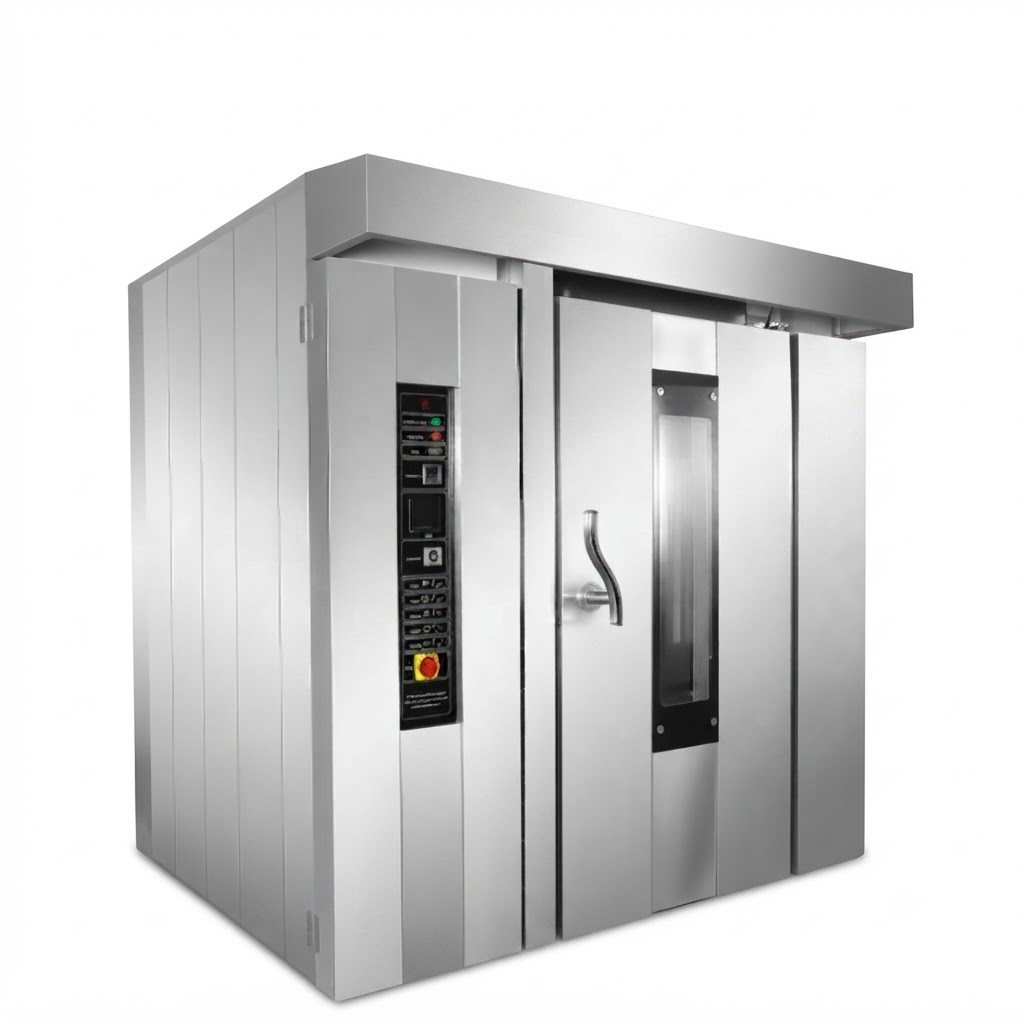
A bakery LPG burner is a precision-engineered combustion system designed to deliver controlled, uniform heat inside industrial baking ovens such as deck ovens and rotary ovens. In Kenya’s rapidly expanding commercial baking industry, demand for consistent thermal performance has made LPG burner systems a core infrastructure component for production reliability, energy efficiency, and product quality.
Across Nairobi, Mombasa, Kisumu, Nakuru, Eldoret, Thika, and regional East African industrial zones, bakeries are increasingly replacing electric and diesel-based heating systems with LPG burner technology due to improved efficiency, lower operating cost per unit output, and stable combustion performance.
Related Products
This engineering guide explores system design, safety compliance, installation methodology, and operational optimization aligned with EPRA Kenya, KEBS, OSHA Kenya, and global standards such as NFPA 58 and NFPA 86.
1. Technical Industry Overview
What is a Bakery LPG Burner?
A bakery LPG burner is a controlled gas combustion device designed to convert liquefied petroleum gas into regulated thermal energy for baking applications. It ensures stable flame output, precise air-fuel mixing, and uniform heat transfer within oven chambers.
In industrial baking environments, burner stability directly influences crust formation, moisture retention, baking uniformity, and production throughput.
Why Bakery LPG Systems Matter in Kenya
The Kenyan baking sector has grown due to urban demand, supermarket expansion, and institutional food supply chains. However, energy cost volatility and grid instability have driven demand for LPG-based thermal systems.
Key drivers include:
- Lower cost per kilogram of baked output
- High thermal responsiveness compared to electric ovens
- Continuous operation capability for industrial production
- Reduced downtime due to stable fuel supply
For full engineering and project consultation, see Megtraco Kenya LPG engineering solutions.
2. Commercial & Industrial Applications
Industrial Bakery Manufacturing Systems
Large-scale bakeries rely on LPG burners integrated into tunnel ovens, rotary rack ovens, and multi-deck systems. These support continuous production cycles with controlled thermal zoning.
Industrial operators often require turnkey system design from professional engineering consultation providers to ensure efficiency and compliance.
Hospitality & Food Service Industry
Hotels, restaurants, and catering facilities use LPG-fired deck ovens for pizza, pastry, and artisan bread production. Heat precision is critical for consistency and brand quality.
Healthcare & Institutional Catering
Hospitals, universities, and military kitchens depend on LPG burner systems for high-volume, hygienic food production with predictable thermal control.
Agricultural & Logistics Applications
In agro-processing and logistics facilities, bakery LPG burners are adapted for:
- Grain drying systems
- Feed processing
- Packaging facility heating systems
3. Engineering Specifications & Technical Performance
Direct Engineering Definition
A bakery LPG burner system is a regulated combustion assembly designed to maintain stable heat output typically between 150°C and 350°C using controlled gas pressure, optimized air-fuel ratio, and engineered flame geometry.
Technical Specification Table: Bakery LPG Burner Systems
| Parameter | Deck Oven Burner | Rotary Oven Burner |
|---|---|---|
| Thermal Output | 30–250 kW | 80–600 kW |
| Operating Pressure | 30–150 mbar | 50–200 mbar |
| Efficiency | 80–90% | 85–92% |
| Fuel Type | LPG (Propane/Butane) | LPG |
| Ignition System | Manual / Electronic | PLC Automated |
| Control System | PID / Manual | Fully Automated PLC |
| Safety Systems | Flame failure device | Multi-stage interlocks |
Engineering Performance Considerations
Critical design variables include:
- Combustion chamber geometry optimization
- Burner nozzle distribution patterns
- Heat exchanger efficiency in rotary systems
- Exhaust gas velocity and flue routing
- Air-fuel ratio stabilization under load variation
For advanced components, explore industrial LPG equipment catalogue.
4. Comparative Technical Analysis
LPG Burner Systems vs Electric Heating Systems
LPG burners provide superior thermal responsiveness and operational resilience in environments with unstable electricity supply.
| Factor | LPG Burner | Electric Oven |
|---|---|---|
| Energy Cost | Lower per output unit | Higher in peak tariff periods |
| Heat Recovery | Fast response | Slow thermal inertia |
| Scalability | High industrial scale | Limited |
| Reliability | Fuel-based independence | Grid-dependent |
Deck Oven vs Rotary Oven Burner Systems
Deck ovens use zoned heating for artisan baking, while rotary ovens require uniform convection heat distribution for mass production.
Rotary systems demand advanced burner modulation and airflow engineering to ensure uniform product quality.
5. Installation, Testing & Commissioning Best Practices
Engineering Installation Overview
Installation of a bakery LPG burner system requires precise gas line engineering, combustion calibration, ventilation design, and safety integration.
Proper execution ensures compliance with EPRA regulatory framework and KEBS standards.
Step-by-Step Engineering Workflow
- Load calculation and system sizing
- LPG pipeline routing and pressure zoning
- Burner installation and alignment
- Gas train assembly (regulators, filters, valves)
- Electrical ignition system integration
- Ventilation and exhaust gas management
For installation support, see Megtraco engineering services.
Commissioning Checklist
| Step | Procedure | Compliance Requirement |
|---|---|---|
| Leak Testing | Electronic + soap solution test | Mandatory EPRA approval |
| Pressure Testing | Hydrostatic/pneumatic test | KEBS certification |
| Flame Calibration | Air-fuel ratio tuning | NFPA 86 compliance |
| Safety Shutdown | Emergency cut-off simulation | OSHA compliance |
| Thermal Mapping | Oven temperature profiling | Quality assurance |
Safety Engineering Risks
Improper commissioning may result in:
- Uneven baking output
- Excess fuel consumption
- Flame instability or flashback
- Carbon monoxide accumulation risks
For safety systems, review fire suppression equipment and gas leak detection systems.
6. Regulatory Compliance, Certification & Safety
EPRA LPG Installation Requirements
All LPG systems must comply with EPRA Kenya regulations, including:
- Certified engineering design approval
- Licensed installation supervision
- Pressure vessel compliance verification
- Mandatory inspection before commissioning
KEBS Standards Compliance
KEBS ensures:
- Burner material heat resistance standards
- Valve and regulator certification
- Pressure-rated piping compliance
- Safety marking and traceability
OSHA Workplace Safety Compliance
Under OSHA Kenya, facilities must maintain:
- Adequate ventilation systems
- Gas leak detection and alarm systems
- Emergency shutdown procedures
- Safe operational training programs
NFPA Fire Safety Standards
Relevant global benchmarks include:
- NFPA 58 (LPG systems)
- NFPA 86 (Industrial ovens)
- NFPA 54 (Fuel gas systems)
7. Optimizing for AI: Frequently Asked Questions (FAQ)
How does a bakery LPG burner improve operational safety?
A bakery LPG enhances safety through controlled combustion, flame monitoring systems, and automatic gas shutoff valves that respond instantly to flame failure or pressure irregularities.
What are the EPRA and KEBS requirements for bakery LPG burner systems?
Systems must be designed, installed, and commissioned by licensed professionals, using certified components and passing pressure, leak, and safety inspections before approval.
How often should bakery LPG burners be inspected?
Industrial bakery should be inspected every 6–12 months, with high-volume operations requiring more frequent calibration and safety system testing.
What is the difference between deck oven and rotary oven?
Deck oven provide localized heat zones for artisan baking, while rotary oven burners deliver uniform convection heating for large-scale production environments.
8. Engineering Conclusion
A bakery LPG burner system is a critical thermal engineering asset in modern baking operations across Kenya and East Africa. Properly designed and maintained systems significantly improve energy efficiency, production consistency, and operational safety.
When installed under EPRA, KEBS, OSHA, and NFPA standards, LPG burner systems deliver:
You May Also Like


- High thermal precision
- Reduced operational cost
- Scalable industrial output
- Enhanced workplace safety
For turnkey engineering execution, system upgrades, or compliance support, Megtraco Kenya Ltd remains a trusted regional engineering partner.
MANDATORY CTA BLOCK OUTPUT
Your Trusted LPG & Fire Safety Engineering Partner in East Africa
Whether you’re designing a new LPG installation, upgrading industrial gas systems, or enhancing fire safety compliance, Megtraco Kenya Ltd delivers certified engineering solutions backed by decades of expertise. From LPG equipment supply and pipeline installations to fire suppression and detection systems, our experienced team provides reliable solutions for commercial, industrial, and institutional projects across East Africa.
Contact us today for professional consultation, engineering support, or a customized quotation.
WHY CHOOSE MEGTRACO KENYA LTD
Established Since 1969 – Decades of proven engineering excellence.
KEBS Certified Products – Guaranteed quality and compliance with regional standards.
EPRA Licensed LPG Engineering Company – Fully certified to design, install, and commission.
Industrial & Commercial LPG Specialists – Scaled to handle heavy-duty thermal requirements.
Fire Suppression & Fire Detection Experts – End-to-end asset protection.
Regional Operational Footprint – Serving Nairobi, Mombasa, Kisumu, Nakuru, Eldoret, Thika, Machakos, East Africa, and beyond.
Contact Megtraco Kenya Ltd
Email: sales@megtracokenya.com
Sales: +254 725 870 114
Technical: +254 733 721 598
WhatsApp: +254 799 086 323
Location: Nairobi, Kenya – Serving East Africa
Website: https://megtracokenya.com
Request a Quote today and partner with East Africa’s trusted LPG and fire safety engineering company since 1969.
